The Last Harvest: How Palestinian Artists Are Helping Gaza’s Olive Trees Grow Again

Using olive oil salvaged from Gaza, a new initiative brings together Palestinian craftsmanship, cultural heritage and a campaign to help farmers reclaim their livelihoods.
A few drops of olive oil, preserved inside a hand-blown glass vessel. Beneath them, a piece of burnt olive wood. It's a small object, but the story behind it is anything but. This is The Last Harvest, a new initiative by Palestinian olive oil brand Jenin, in collaboration with The Big Heart Foundation, which hopes to help restore olive cultivation in Gaza through art, storytelling and fundraising.
For generations, olive farming has been an essential part of Palestinian life. Beyond its economic importance, the olive tree occupies a particular place in the country's cultural identity, connecting families to their land through traditions passed down over centuries.
The destruction of Gaza's agricultural landscape has put much of that heritage at risk. According to figures shared by the campaign, more than 1.8 million olive trees have been destroyed, while olive oil production has fallen by 87.5%. For the families who depend on these trees, the consequences extend well beyond the loss of a harvest.

The project began with a small quantity of olive oil pressed by a family in Gaza.
Many of the trees from which the olives had been harvested were subsequently destroyed. What remained was a little oil, which the family chose to share in the hope that their story would reach people beyond Gaza. Rather than simply displaying the oil, the campaign invited Palestinian artist Lameice Abu Aker to create a vessel that would give it a permanent home.
Hand-blown by local artisans, the resulting glass pieces draw inspiration from the traditional oil bottles found on Palestinian dining tables. Their design incorporates small, seed-shaped vials holding the preserved oil, positioned above a base of burnt olive wood. It's a considered combination of materials. The glass protects something precious and increasingly scarce, while the charred wood refers directly to the destruction of the trees. The seed-shaped containers introduce another element: the possibility of planting again.
The vessels are beautiful in their own right, but their significance comes from what they contain and the circumstances in which that oil was produced.
By turning the remnants of a harvest into an object of contemporary craftsmanship, Abu Aker's design gives physical form to a story that might otherwise be reduced to another statistic.
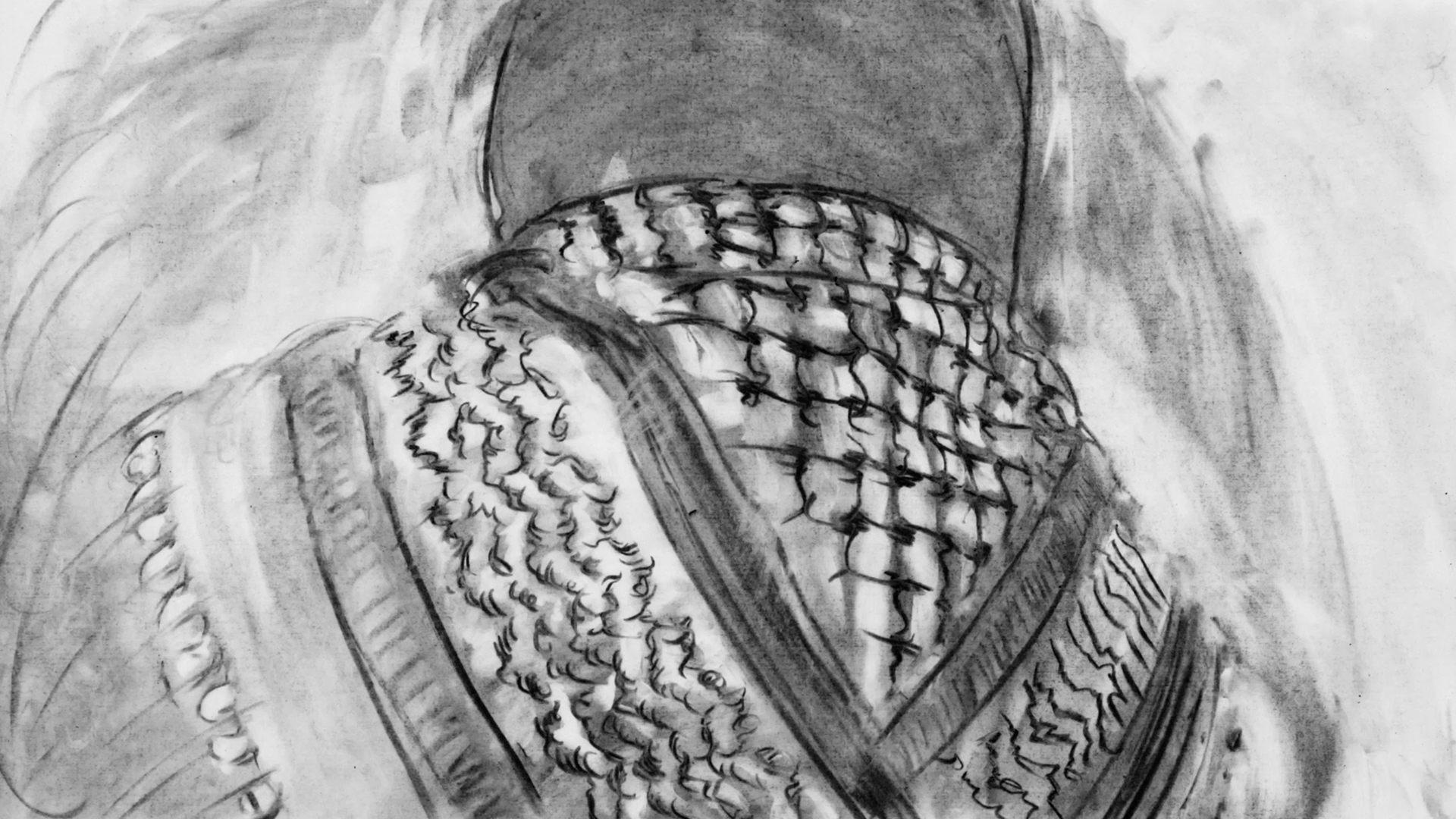

Olive trees are among the most recognisable symbols of Palestinian identity, and their cultivation is closely connected to the rhythms of family and community life.
Harvesting is traditionally a collective activity, bringing generations together to pick olives, press oil and prepare for the months ahead. Many trees have been cared for by the same families over generations.
Their destruction therefore represents the loss of both an agricultural resource and a living connection to the land.
The Last Harvest places that relationship at the centre of its campaign. Its aim is to support the restoration of olive farming in Gaza, helping farmers rebuild their livelihoods while protecting the practices and knowledge associated with olive cultivation.
The project also demonstrates how design can contribute to humanitarian efforts without losing sight of the people and communities involved. In this case, the object is a way of drawing attention to the farmers, the land and the work needed to make future harvests possible.
The campaign offers several ways for the public to contribute. The specially designed glass vessels containing the preserved olive oil will be offered through an online auction, while Jenin has also introduced The Fallaheen Reserve, a limited-edition olive oil bottle from which 100% of profits will be donated to support farmers.
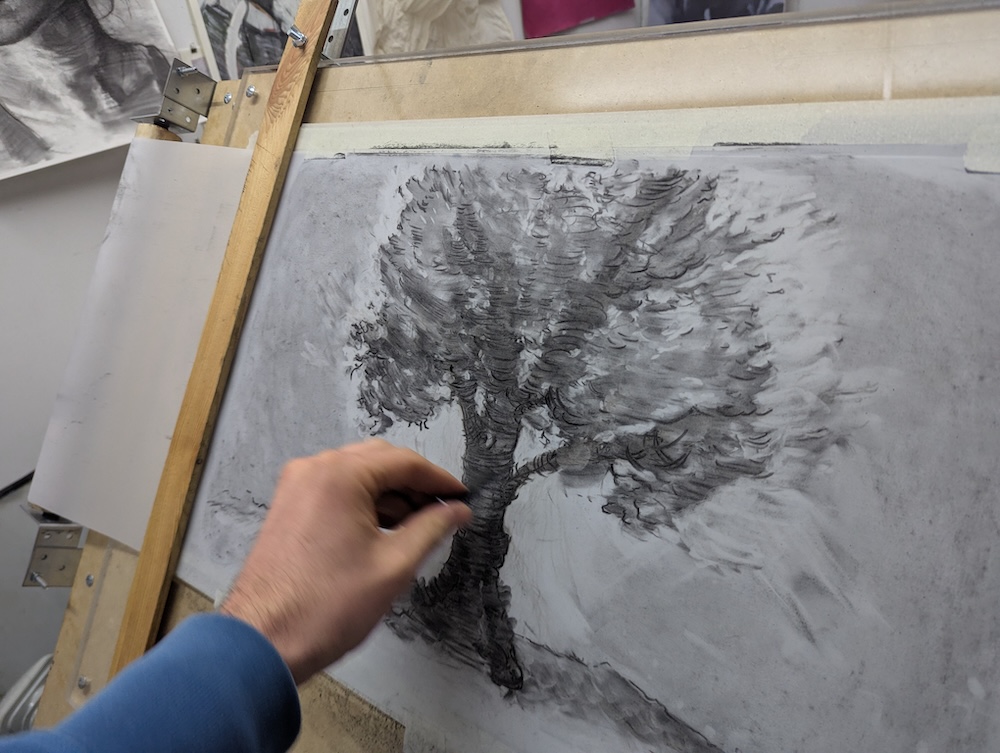
Direct contributions can be made through The Big Heart Foundation and the campaign's YallaGive page.
According to the organisers, AED 35 is enough to plant one olive tree in Gaza, offering a tangible way for supporters to participate in the restoration effort. All campaign proceeds will go to the Arab Group for the Protection of Nature (APN) towards programme implementation.
There is a particular relevance to using olive oil itself as the centrepiece of this initiative. It is both the product of the agricultural tradition the campaign hopes to protect and a reminder of what farmers have already lost.
The preserved oil may never be used for cooking or shared around a family table, but the funds it helps raise could contribute to future harvests.
And for a project called The Last Harvest, that is precisely the point: ensuring the name never becomes a reality.
To discover more about The Last Harvest, participate in the auction or support the restoration of Gaza's olive trees, visit Jenin's official channels and The Big Heart Foundation.