The Inevitavbe Wasta: Networking, Nepotism, or Something In Between?

You and I have probably been, at some point in our lives, either the victim of a wasta, the facilitator of one, or the person happily receiving it. Sometimes, we have been all three.
In Arabic, wasta—واسطة—refers to using a personal connection, intermediary or position of influence to help someone gain access to an opportunity, service or outcome. It could be the friend of a friend who knows someone, your immediate family, or the cousin of 3amo Khaled, whose address book is somehow larger than an encyclopaedia.
It can mean securing an interview, speeding up paperwork, finding a doctor who will fit you into an impossible schedule or calling someone who can finally explain why your licence application has been sitting untouched for three months.
By Cynthia Jreige
On the surface, it often feels harmless. It is simply a network of people helping one another, right?
Across the Arab world, pulling out the wasta card is almost always a possibility. From your first summer internship to your driving licence, university application or first proper job, there is usually someone who knows someone who might be able to “see what they can do.”
The practice exists everywhere in different forms: networking, referrals and introductions are not exclusively Arab concepts. However, there is something particularly familiar about the way wasta operates in our region: informal, personal and often understood without anyone needing to say too much.
One phone call, one name dropped at the right moment, one reminder that your father once helped his father in 1998. Done. But while sipping coffee one afternoon, I started wondering whether wasta might be more harmful than we like to admit.
When a Connection Is Just a Connection
Not every wasta is corruption, and not every introduction is unfair. Sometimes, a connection simply helps someone get noticed. It's a friend recommending you for a role because they know you would be good at it; it's a former colleague introducing you to someone working in an industry you are trying to enter; it;s a relative putting your CV in front of a hiring manager, but you are still expected to interview, demonstrate your skills and earn the position.
In these cases, wasta does not necessarily replace merit, it just creates access.
And access matters, especially in places where formal systems can feel slow, opaque or difficult to navigate. Knowing the right person can help you understand a process that no one properly explained, reach someone who was otherwise impossible to contact or be considered for an opportunity you may never have heard about.
We are constantly encouraged to network, maintain relationships and build communities. LinkedIn has essentially turned professional introductions into an entire business model. So why does a referral become respectable when it happens at a corporate event, but suspicious when it happens through 3amo Khaled?
Perhaps the discomfort is not always about the connection itself but more about what happens after the connection is made.
When the Little Push Becomes a Shortcut
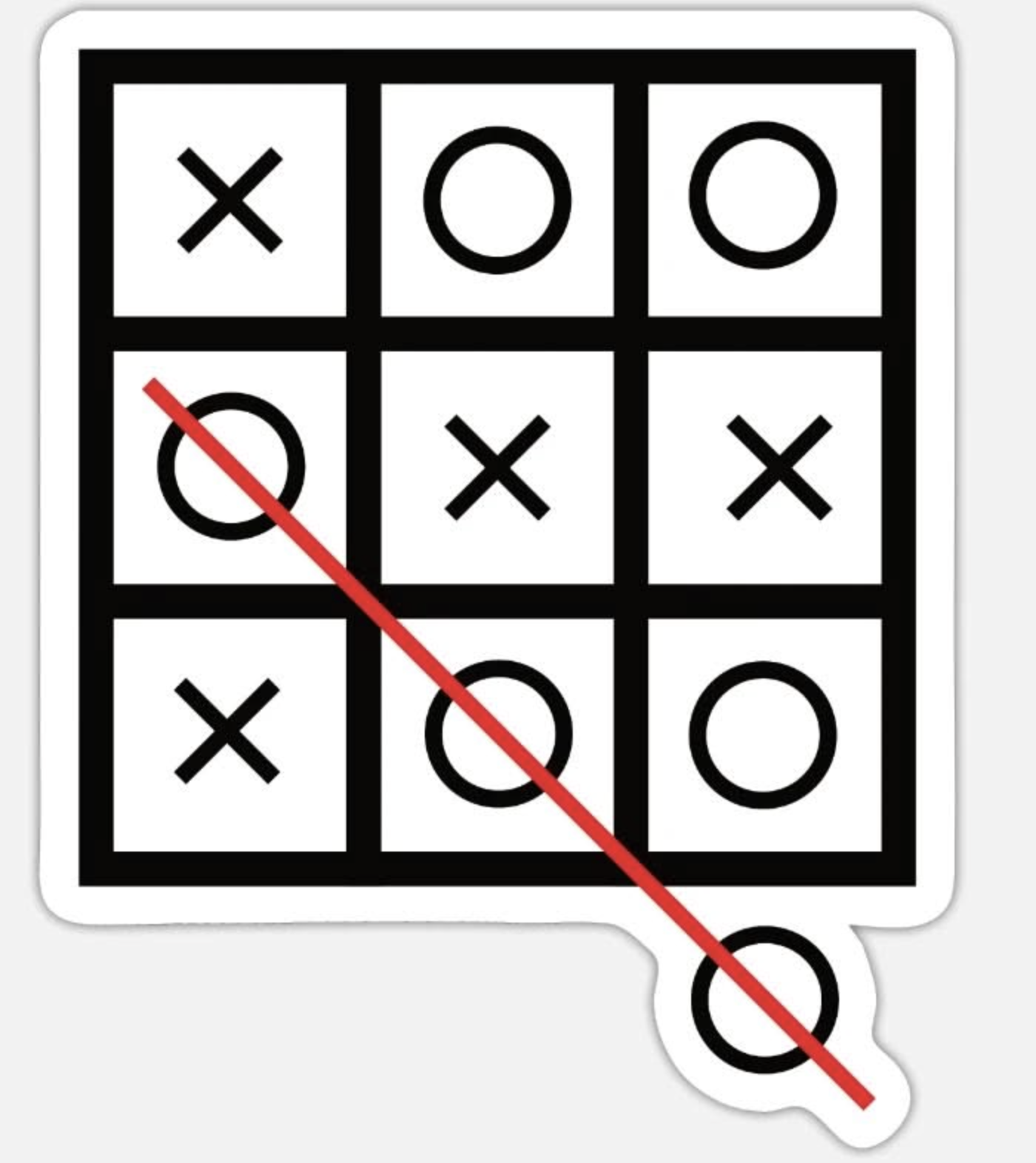
The problem begins when wasta stops opening the door and starts removing everyone else from the room. It is one thing to help someone secure an interview but it is another to guarantee them the job, regardless of whether they are qualified.
It is one thing to help a person understand a bureaucratic process but another to move their application ahead of people who have been waiting longer.
This is where wasta becomes more than networking and just becomes favouritism. The thing about favouritism it that is inevitably damages the idea of merit. It tells people that working hard may matter, but perhaps not as much as their surname, family network, money or proximity to power.
We grow up being told that we can achieve anything if we work hard enough. But can we, when somebody with more influence can obtain the same thing—or something better—through one well-placed phone call?
The damage is not limited to the person who loses the opportunity, it can affect entire workplaces and institutions.
When people are appointed because of connections rather than ability, everyone around them has to carry the consequences. Teams become less capable, trust disappears. Employees stop believing that performance will lead to recognition because promotions appear to have been decided elsewhere, perhaps over lunch between two families who go back several generations.
Eventually, people either leave or learn to play the same game and the system reproduces itself.
Merit and Wasta Can Exist at the Same Time
Of course, reality is rarely that simple. What happens when someone is both talented and connected?
You may have worked hard, built experience and spent years developing genuine relationships. You are good at what you do, and someone in your network offers to give you a small push. Should you refuse simply because another person may not have access to the same introduction?
Professional success has never been based entirely on skill. Timing, confidence, visibility and relationships have always played a role. Many opportunities come from being remembered by the right person at the right moment.
Networking itself requires effort. Building a reputation, maintaining relationships and making people trust your work can be forms of merit too. But there is an important distinction between a recommendation and a guarantee. A healthy connection says, “You should meet this person. I think they could be right for the role.”
An unhealthy wasta says, “Give this person the role.” One supports consideration while the other determines the result. That difference may sound small, but it changes everything.

Do We Only Hate Wasta When It Is Not Ours?
There is also an uncomfortable hypocrisy in the way we discuss wasta. We criticise it when someone else benefits, but rarely question it when it saves us time.
When another person gets the position through connections, it is deeply unfair. When our mother calls someone to move our appointment forward, it is simply practical.
When an unqualified colleague is promoted, we complain about corruption. When someone offers to send our CV directly to the CEO, we suddenly become very open to “networking.” Perhaps this is why wasta survives so easily. It is difficult to reject a system when we never know when we might need it.
Even people who dislike it may feel forced to participate. Refusing a connection can feel less like taking a moral stand and more like voluntarily putting yourself at a disadvantage while everyone else continues playing by different rules.
Stop or Encore?
So, should wasta stop, or do we accept it as an inevitable part of how society works? Perhaps the answer depends on whether the connection creates access or replaces fairness. A wasta that helps someone discover an opportunity, meet the right person or receive guidance can be harmless and sometimes genuinely helpful. Communities have always survived through people supporting one another.
But when wasta overrides competence, skips established processes or takes something away from someone more deserving, it stops being community and becomes privilege protecting itself.
The goal should not be to eliminate human relationships from professional or public life. That would be unrealistic, and probably undesirable. It should be to build systems strong enough that connections cannot determine outcomes on their own.
Make the introduction. Pass along the CV. Share the contact. Give someone the small push. But let them do the rest. Because a door opened through a connection is one thing but a future decided before anyone else had the chance to knock is something entirely different.

More news


.jpeg)

.png)