Finding It Hard To Embrace: The Struggles Behind Being a Mixed Kid
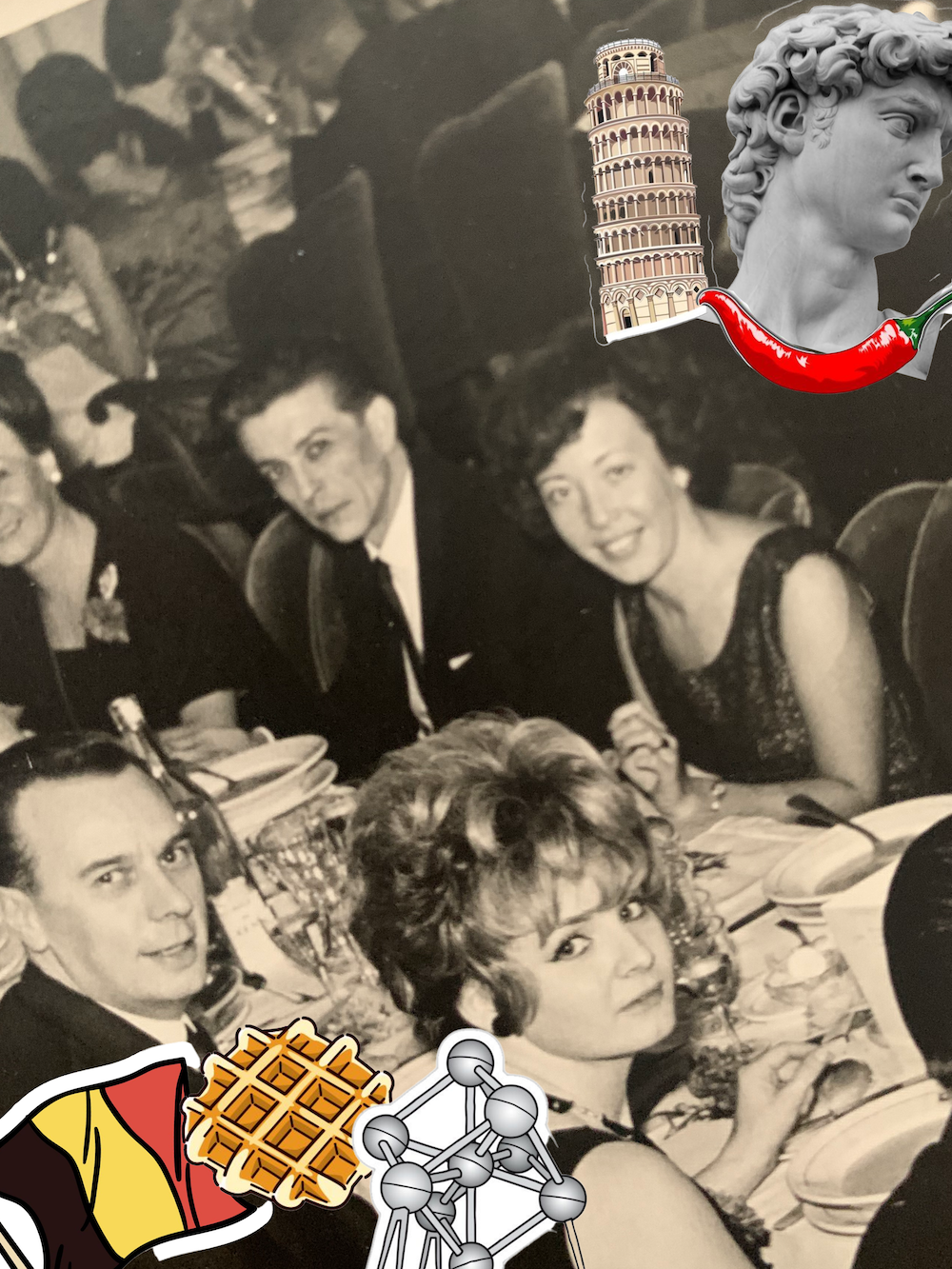
It is a very particular kind of loneliness to feel like you do not belong, and not in the misfit sense of not relating to TikTok dances, or people drinking matcha. It is the ache of realising that nowhere you go will ever feel entirely yours, never fully your home, your culture or your identity, no matter how hard you try to claim it.
This feeling can appear anywhere and at any moment: when you stumble through one of your own languages, when someone casually asks where you are from, when you worry that choosing a certain path might disappoint the part of your heritage or family you are expected to honour. The ability to step into different worlds is magical, yet the constant sense of drifting between them can be quietly alienating.
By Cynthia Jreige
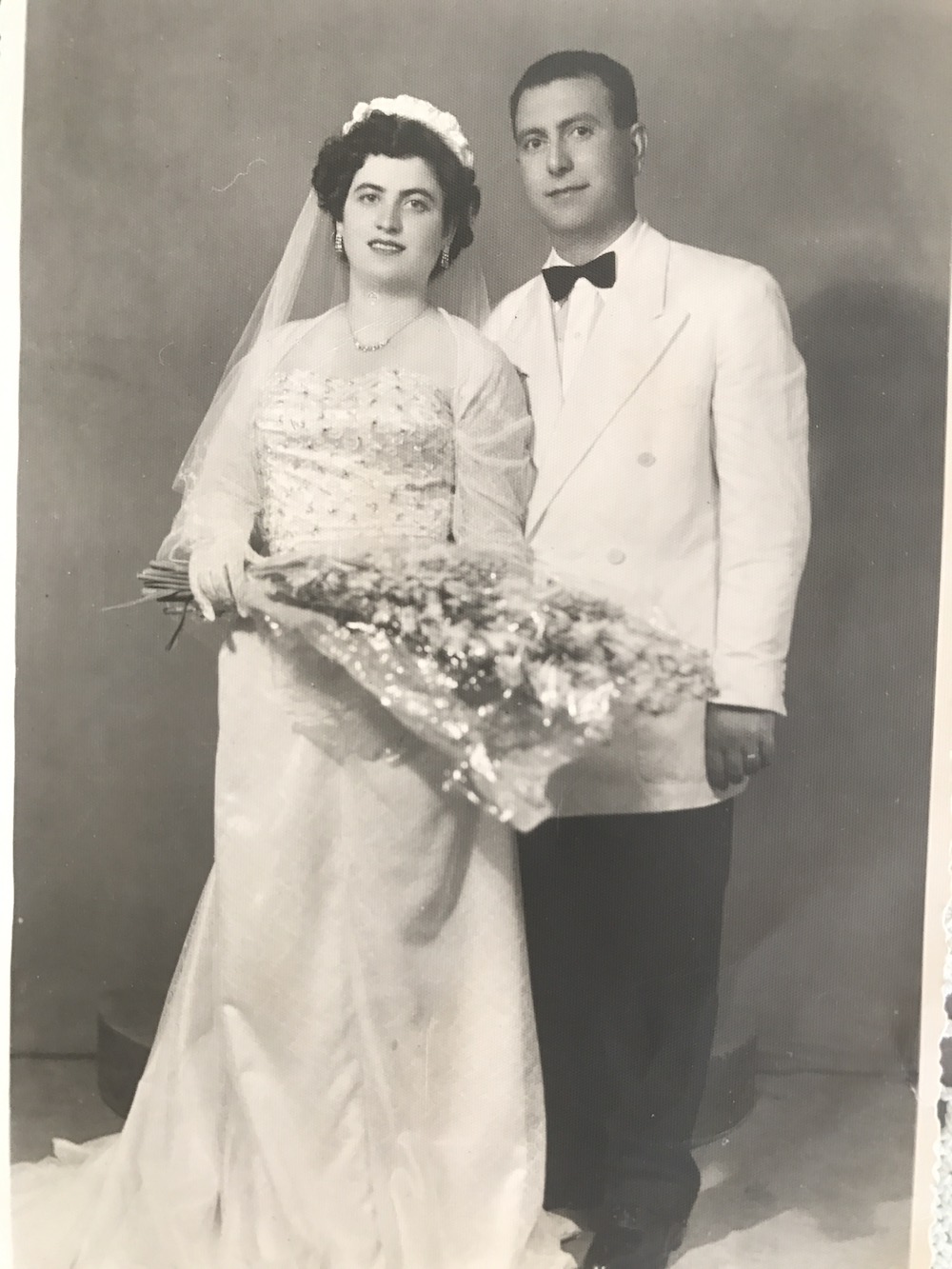
As someone with three nationalities who grew up in a fourth country and studied within a fifth school system, identity was never simply a question. It actually quickly became a burden. It is impossible to choose a side or feel more one thing than another, and instead you grow up as fragments of many places at once, unable to claim any of them completely. You learn to live in that uncertainty, pausing every time someone asks where you are from, unsure of the answer or knowing they will lose interest before you finish explaining.
Still, many people manage to embrace this complexity with grace, turning it into richness and strength. When you look at it closely, it truly is beautiful to understand people on a deeper level, to speak their languages, to know their traditions and cultures. It opens your mind in ways that few experiences ever could.
Yet this sense of belonging everywhere and nowhere can bring an intense feeling of solitude. There are moments when one culture takes over, when you find yourself identifying more strongly with it, only to suddenly miss parts of the other: the food, the weather, the rhythm of life.
In parts of the Middle East, another layer complicates the search for belonging: nationality can only be passed down through the father, effectively erasing, at least on paper, a woman’s ability to carry forward her cultural legacy. Trips to Lebanon and a few conversations with taxi drivers initiated by the paleness of my skin and the color of my eyes, that all started similarily: “ente men wen?” (where are you from?) and always concluded in the same way: "ya3ne eza bayyik lebneni, ente 100% lebneniyye” (If your dad is Lebanese, you are 100% Lebanese). Could they have solved, right then and there, years of insecurity and questioning? (Please read this question on a sarcastic tone.)
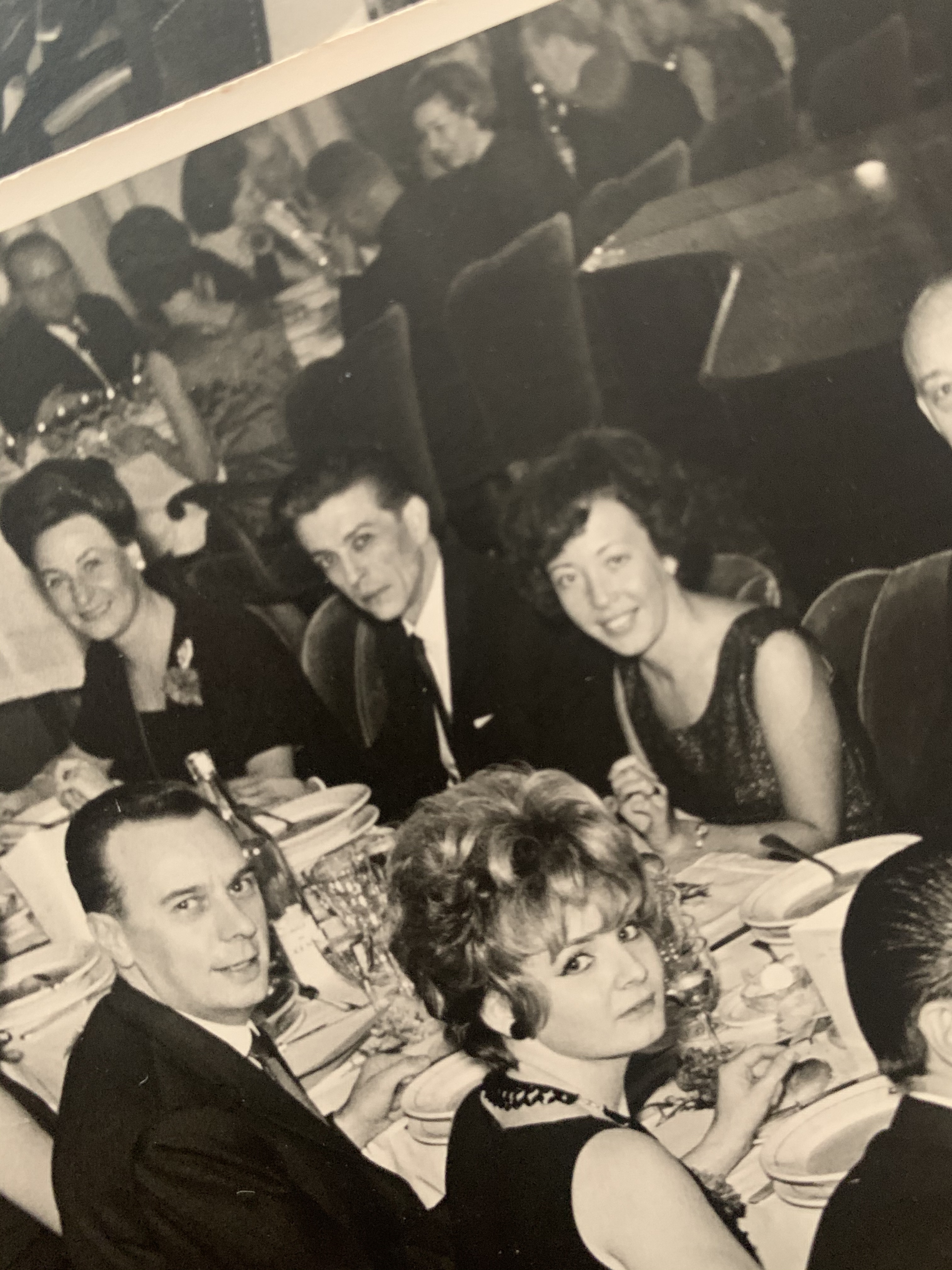
It seems like this question of belonging is common across third culture kids:
“The hardest part for me was being placed in a school that didn’t reflect the country I grew up in,” Joe* tells us. “When I later started working with people from that country, I realized just how far removed we were from them. I was also born in Brussels, a city I hardly know today, which adds to the feeling that nowhere is truly home. I’m half Lebanese but don’t speak the language, and half Belgian, yet I never lived in Brussels.”
What often made things harder were people’s reactions to our “mixed” identities. Oh wow, that’s too complicated. We don’t really know where you’re from. You’re the alien of the group. These are things I’ve heard more than once, and that quietly reinforced the feeling of being a complete outsider.
Growing up, it’s probably no coincidence that my closest circle was made up of third-culture kids. Most others had parents from the same country- sometimes even the same village- and carried their patriotism with so much certainty and ease (you know these moments at house parties were certain songs come on and everyone is singing them so loudly in unison but you have no idea what the lyrics were? I was there more than once.) Not that I lacked love for my countries; I love all of mine deeply. But their unshakable sense of belonging often made me question my own, intensifying that persistent feeling of being out of place.
Today, at 32, and potentially thinking of a future as a mother myself. I can't help but wonder if my kids would feel the same way, or worse? Elisa* , a third-culture kid herself, shares the same point of view: "The only real fear is knowing what culture to pass on to my child, but I make peace with it by accepting that cultures shift through time and that whatever I do will be part of this general cultural shift."
*Names have been modified for privacy
.jpeg)


.png)