What the 2016 Trend Might Reveal About Our Present
You’ve probably found yourself digging through decade-old photos in your social media archives these past few weeks, haven’t you?
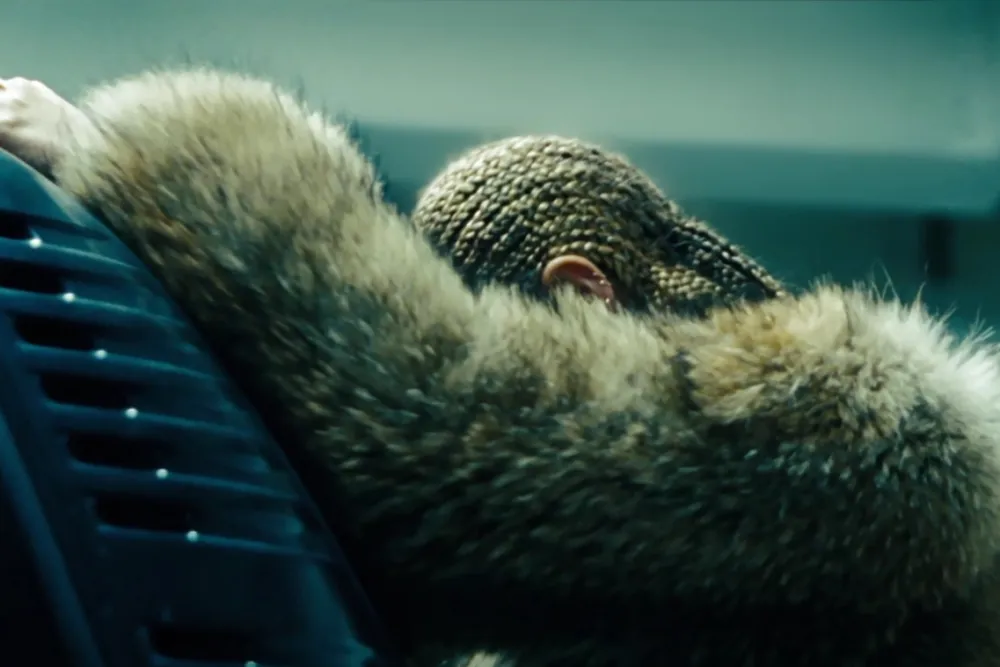
The nostalgia of 2016 is hitting hard; a year when we filtered ourselves with dog ears, Instagram posts were anything but curated, captions were random, and filters were unapologetically aggressive. Songs like Sia’s Cheap Thrills and Drake’s One Dance topped the charts, Beyoncé’s Lemonade reshaped pop culture, and our calves were firmly imprisoned in skinny jeans. Beyond the screen, the world was shifting too, with Brexit and the election of Donald Trump marking the first time many of us felt a real political rupture take place in real time.
By Cynthia Jreige

And yet, despite the turbulence, there was a sense of simplicity to that moment. Social media still felt social. We saw updates from friends rather than an endless stream of AI-generated ads, algorithmic suggestions, and content we never asked to see. The internet felt less like a marketplace and more like a shared space made of imperfection, chaos, and humans being humans.
For many, 2016 represents the last moment before everything became heavy. Before social media fully professionalized itself, before every post was optimized, monetized, or subject to getting canceled. Platforms still felt playful, chaotic, and oddly intimate. Influencers were people, not brands. Content felt spontaneous rather than strategic. Looking back, 2016 sits in our collective memory as a cultural “before.” I mean, damn, we even went through a pandemic in this decade, the type of thing that frankly, we thought we would never experience beyond the movie Contagion.

Today’s return to that era feels less about aesthetics (clearly and thankfully...) and more about emotion. In a present defined by constant crises, algorithmic pressure, and digital fatigue, nostalgia has become a form of emotional regulation. It's as if revisiting older internet languages offers a sense of grounding or an odd sense of comfort. It reminds us of a time when being online felt lighter, less surveilled, and less performative.
There is also a clear rejection embedded in this revival. Over the past few years, feeds have grown increasingly polished and homogeneous with minimalism, luxury neutrality, and hyper-curation dominating visual culture, until perfection began to feel corporate and not so aspirational. The 2016 comeback pushes back against that. It reintroduces awkwardness, humor, and imperfection, qualities that now feel sort of...radical?

This moment also reflects growing exhaustion with algorithms. Today’s platforms reward repetition and conformity: certain sounds, poses, aesthetics, and narratives rise while others disappear. The appeal of 2016 lies partly in the fact that it predates this uniformity. Reviving its visual language is a way of reclaiming individuality in a system that increasingly flattens it.
At a deeper level, the resurgence raises an uncomfortable question: did things actually improve? Technological progress promised connection, creativity, and freedom, yet many now feel more anxious, more self-conscious, and more disconnected than before. The turn toward 2016 is not naive nostalgia: it’s a subtle critique of linear progress and a recognition that more tools didn’t necessarily mean more joy.
Still, this is not about going backwards entirely. The revival is filtered through today’s awareness. It carries more inclusivity, more cultural consciousness, and more self-reflection. What people are really reaching for is not the past itself, but the feeling it offered: spontaneity, humor, and the freedom to exist online without constant optimization.
The return of 2016 trends tells us something important about the present; it reveals a collective desire to lighten the weight of being visible, to reconnect with sincerity, and to remember that the internet once felt like a space for expression before it became a marketplace.
In revisiting that era, we are not trying to escape reality. We are searching for clues on how to make the present feel more human again.
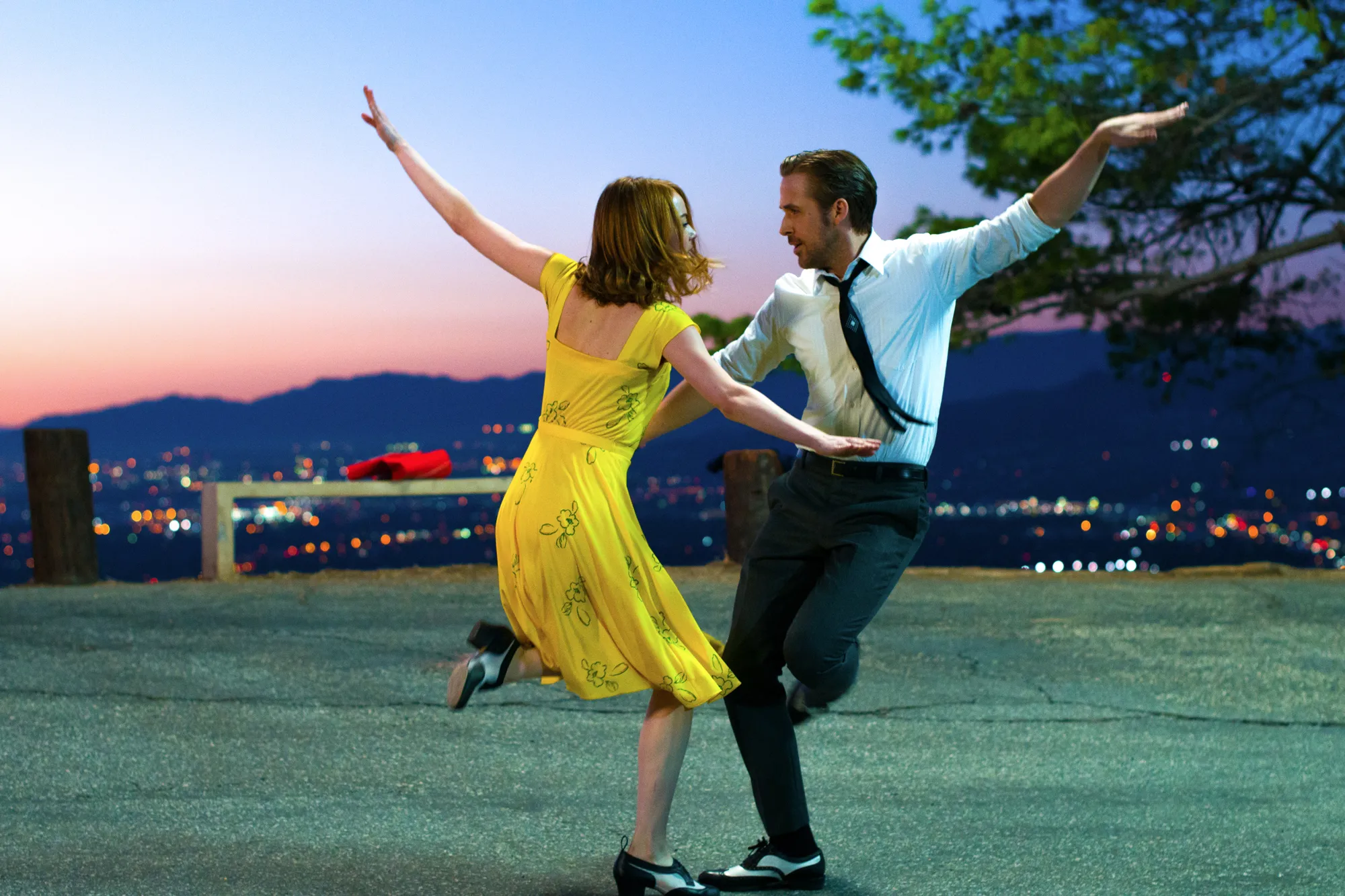
Cover picture: La La Land, 2016
.jpeg)

.png)