The Plastic Chair: A Democratic Throne That Unites
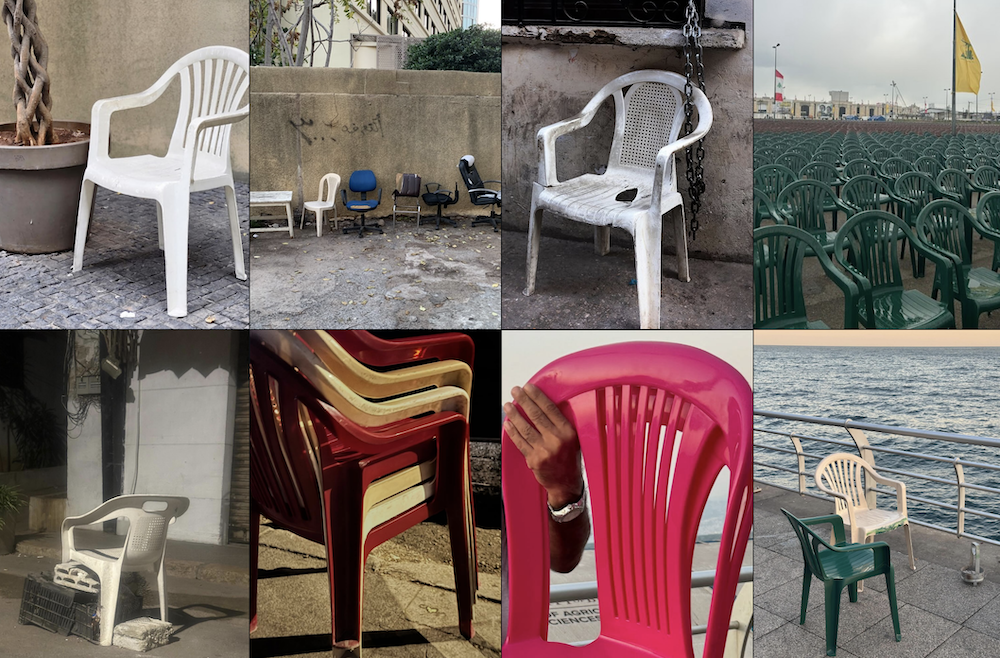
You have the fancy couches your parents covered in fabric fearing they'd get scratched and on which you ended up never sitting on. And then, there’s the plastic chair, which belongs everywhere else.
Across the South and West, the white (or sometimes faded green, blue, or sunburnt beige) plastic chair is more than furniture. It is infrastructure. It is hospitality. It is survival; it is democracy in its purest form.
By Cynthia Jreige - All images: @chairsofbeirut on Instagram
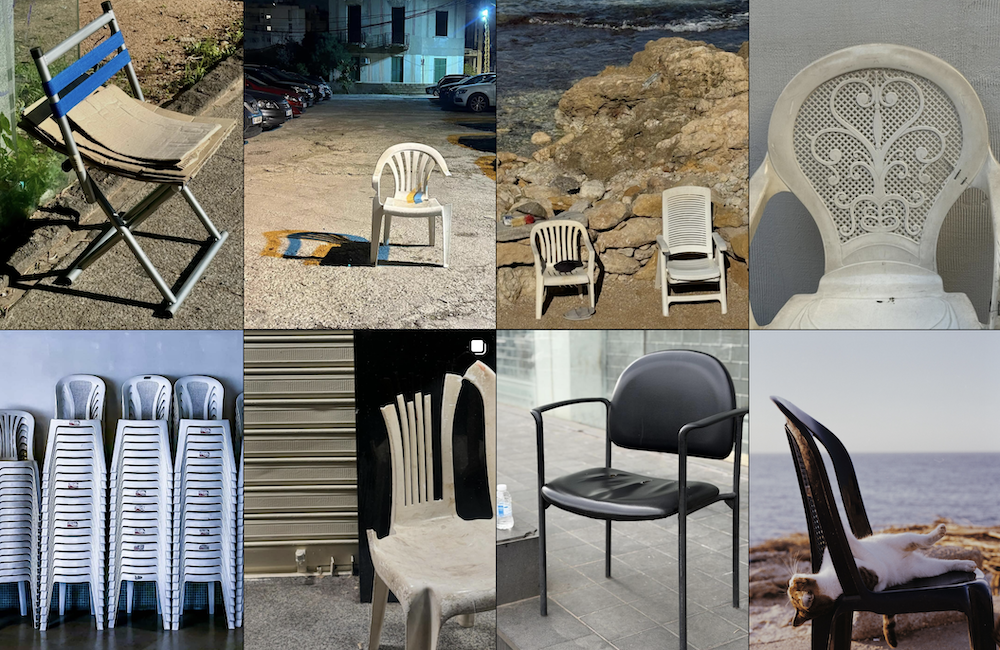
You’ll find it on Cairo sidewalks at 2am, in Lagos courtyards, on Beirut balconies, outside Karachi corner shops, in Manila alleyways, at wedding halls in Amman, at roadside tea stands in Riyadh. It is stackable, washable, sun-proof, cheap, and nearly indestructible. It doesn’t discriminate between guest and host. It doesn’t require status to sit on.
In regions where space is fluid and public life spills into the street, the plastic chair becomes a portable extension of home. It creates gathering where there is none. Five chairs pulled into a circle instantly become a majlis, a debate floor, a business meeting, a confession booth, a political forum. It kind of is the most accessible seat of power.
Unlike Western design icons, think the Eames lounge or the Barcelona chair, the plastic chair is not about exclusivity; it's about replication. Millions of iterations exist, often unbranded, molded from the same basic template. Its anonymity is part of its power. No logo, no author, just utility.
And yet, it carries symbolism.
It represents informal economies; barbers cutting hair on sidewalks, street vendors arranging fruit beside them, taxi drivers waiting for fares. It represents migration and adaptation- families carrying them from countryside to city, from one apartment to the next. It represents resilience in climates where heat cracks pavement and dust coats everything. It is also a quiet critique of global inequality.
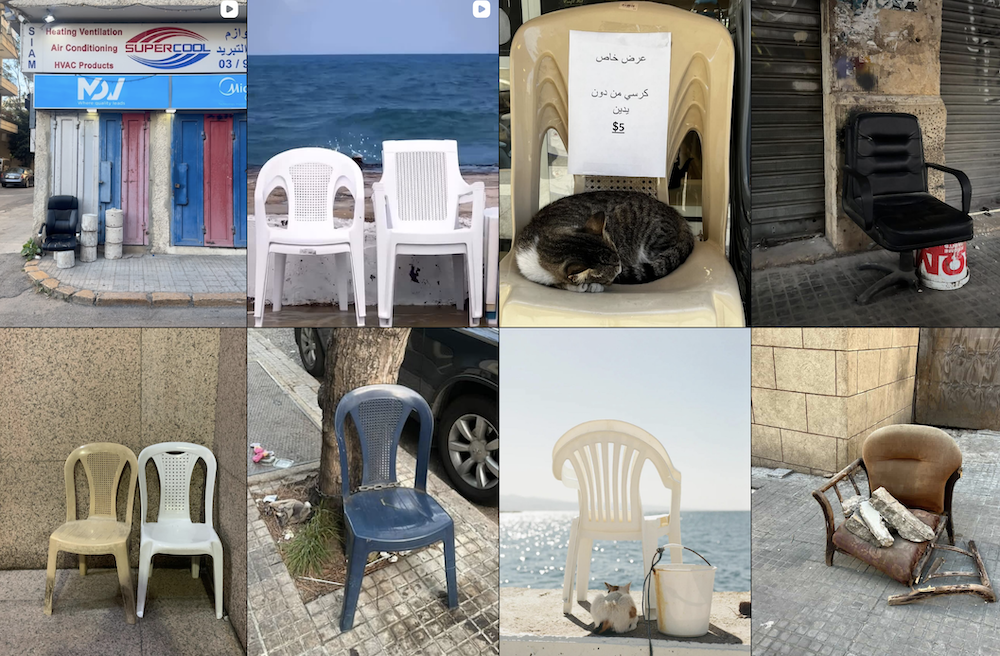
In wealthier parts of the world, design is curated. Elsewhere, design is negotiated. The plastic chair answers immediate needs: affordability, durability, multiplicity. It thrives not because it is beautiful, but because it works.
But maybe that’s its beauty.
Over time, the plastic chair has entered art, photography, and fashion editorials as a symbol of rawness and authenticity. Yet its aestheticization often strips it of context. For many communities, it is not ironic- it's essential.
To sit on a plastic chair is to participate in a shared visual language. It signals informality, openness, conversation. It suggests you are staying awhile, but not forever. It exists between permanence and impermanence, much like the cities it inhabits.
In a world obsessed with design pedigree and scarcity, the plastic chair reminds us that the most powerful objects are often the most ordinary.
It is not glamorous, but it holds the world.
.jpeg)

.png)