A Shared Meal Or A Fresh-Squeezed Juice: Why Food Is The Ultimate Arab Love Language

We don’t always know how to say “I love you.” Sometimes it comes out as your dad prepares you a fresh orange juice or
when your mum brings you a slice of your favorite cake when she knows you’ve had a long day. No big conversation or emotional monologue. Just food, placed gently in front of you.
In Arab culture, love is rarely spoken. Instead, it lives in gestures, in plates refilled without asking, in questions disguised as “did you eat?,” in the way aunties send you home with leftovers in tupperwares (oh these tuppwares....) and insist you take more, always more (don't you dare not take more.)
While sharing a meal matters in most cultures, in the Arab world it borders on the spiritual.
A meal is never just a meal.
By Cynthia Jreige

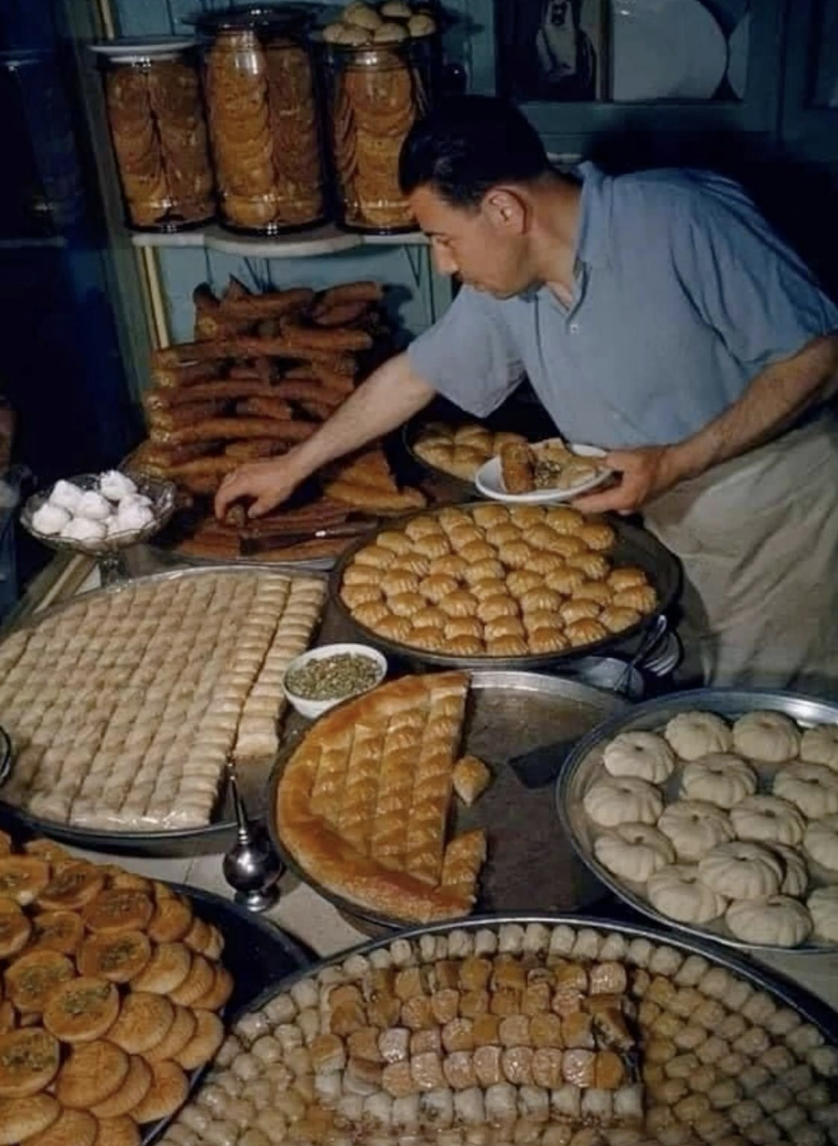
It’s a gathering that stretches across hours, from the first pickles placed on the table to the final ahwet bayda to help digestion, time dissolves. Conversations flow freely. We’ll move seamlessly from Lamia’s pregnancy to 3amo Wassim’s car problems, from politics to the annoying neighbor, from childhood memories to tomorrow’s plans. Everything is welcome at the table. This is where connection happens and this is where we learn.
We learn by standing next to our mothers, watching how sambousiks are folded just so, how parsley must be chopped impossibly fine. We learn patience while waiting for the bazella to simmer properly. We learn generosity when elders insist everyone eats first. And sometimes, late into the night, we learn family truths through our 3amte, who suddenly decides it’s the right moment to confess a story or two (or is it the arak? we'll never know.)
And for those of us in the diaspora, food becomes something else entirely. It becomes memory.
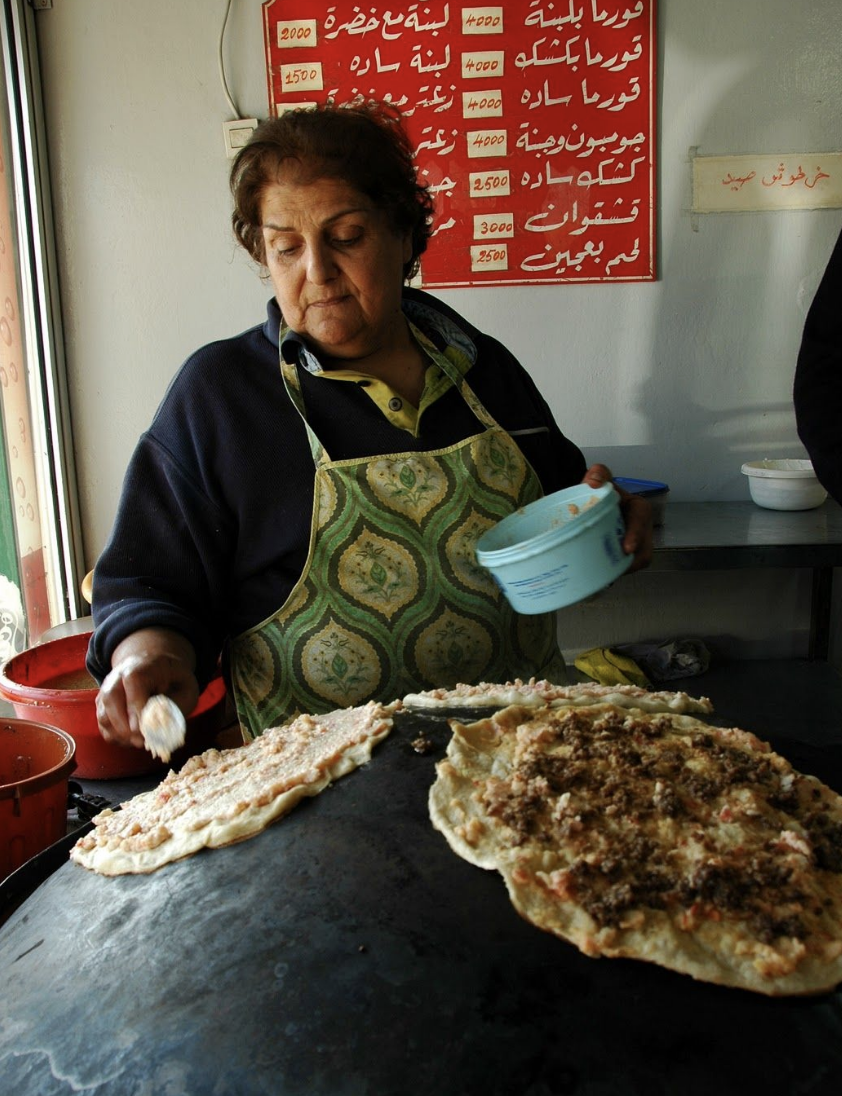
It’s the smell of loubieh b zeit on the stove, the tangy taste of zaatar...it’s an old notebook filled with handwritten recipes, passed from one generation to the next, stained with olive oil and time. Dishes become anchors and flavors become geography.
When home feels far, food brings it closer.
Cooking our parents’ recipes in foreign kitchens is an act of remembrance. Teaching our children how to roll grape leaves or season lentils becomes cultural preservation. Every recreated dish is a quiet way of affirming who we are and where we come from. In many ways. food carries our history.
It holds migration, resilience, celebration, and grief. Recipes travel in suitcases and WhatsApp voice notes (if you have not yet, please follow The Voice Note Chef on Instagram.) Measurements are intuitive and nstructions sound like poetry from Khalil Gibran: a little of this, until it feels right.
In Arab homes, cooking is care and feeding someone is responsibility. Our hospitality is inherited and is famous worldwide: even when times are hard, the table remains full; when words fail, food speaks.
You might not hear “I miss you," but you’ll receive a message asking if you’ve eaten. You might not get emotional reassurance, but you’ll be handed warm bread.
And somehow, that’s enough.
Because for us, love lives in shared dishes, lingering meals, and kitchens that never truly close. It lives in the quiet understanding that if you are fed, you are seen.
Food is not just nourishment, it is how we show up for each other, how we remember who we are and simply, how we love.
.jpeg)


.png)