"Uzbekistan: Heritage in Motion" Brings Centuries of Art, Craft and Culture to Doha
From rare seventh-century paintings and historic manuscripts to contemporary fashion and traditional textiles, the Museum of Islamic Art explores Uzbekistan's extraordinary artistic heritage in a new exhibition.
Doha's Museum of Islamic Art is turning its attention to Central Asia with Uzbekistan: Heritage in Motion, an exhibition tracing centuries of artistic exchange, craftsmanship and cultural history.
Presented in collaboration with the Uzbekistan Art and Culture Development Foundation (ACDF) and supported by Visit Qatar, the exhibition brings together 146 objects from collections in Qatar and 13 institutions across Uzbekistan, offering a closer look at the country's rich creative traditions and their continuing influence today.
On view until November 28, 2026, the exhibition moves between historical treasures and contemporary interpretations, exploring how Uzbekistan's position along ancient trade routes shaped its visual culture, architecture, science and textile traditions.
Among its most significant highlights is a monumental seventh-century wall painting from the Ambassadors' Hall at Afrasiab, one of the most important surviving examples of Sogdian art, presented in Qatar for the first time. Depicting richly dressed figures, the painting offers a glimpse into the cultural exchanges that once connected Central Asia with neighbouring civilizations. Displayed alongside a silk jacket from the Museum of Islamic Art's collection, the works reveal striking similarities in textile patterns and decorative motifs across different periods and places.
Architecture also plays an important role in the exhibition. An interactive installation explores the intricate brickwork associated with the Samanid and Timurid dynasties, while a dedicated presentation examines the restoration of Samarkand's historic Bibi Khanym Mosque, a project supported by Qatar. Together, these displays consider the relationship between architecture, artistic expression and the preservation of cultural heritage.
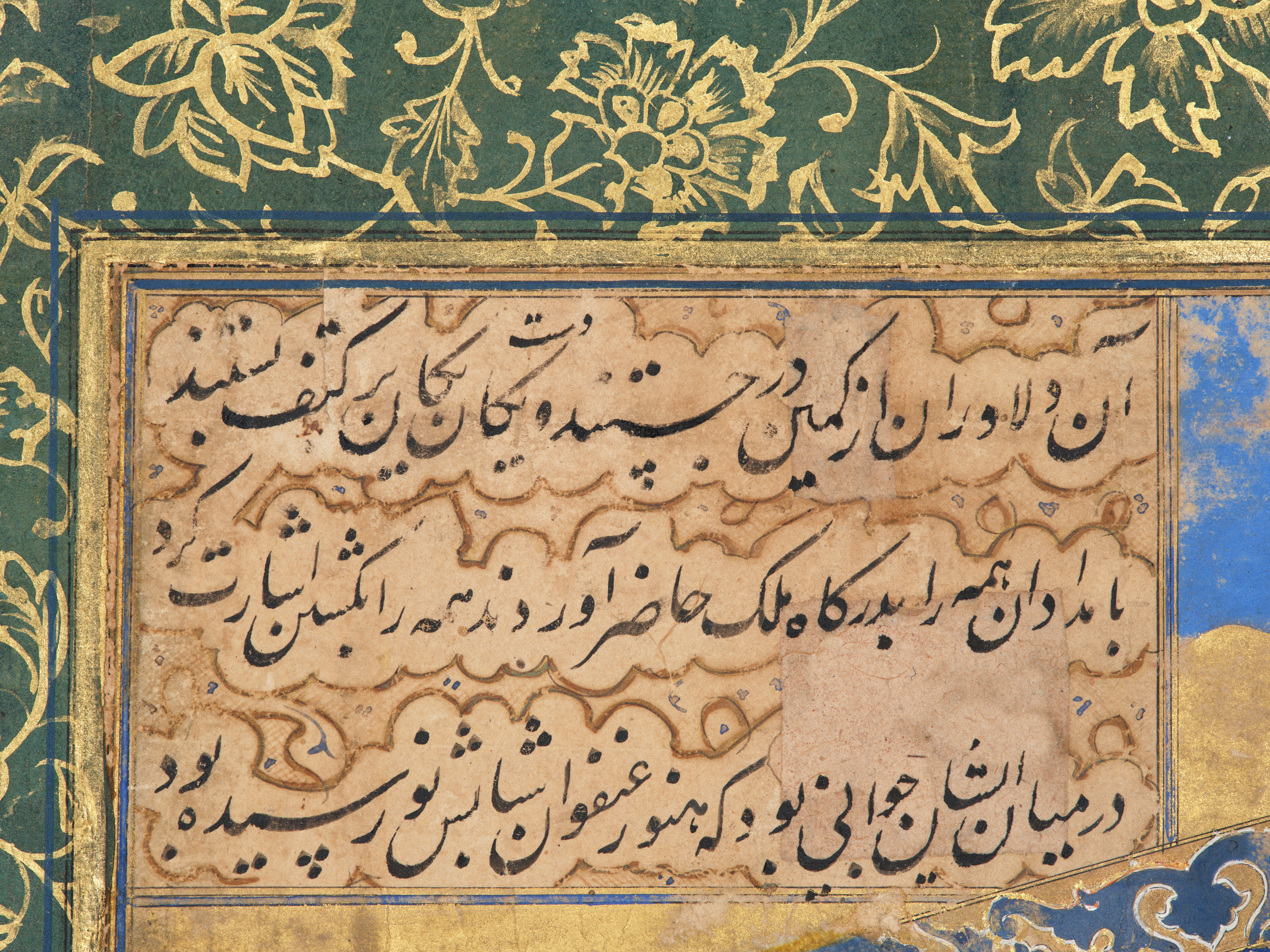
The exhibition also celebrates Uzbekistan's contribution to scientific and intellectual history. Illuminated manuscripts and a fifteenth-century astrolabe introduce visitors to influential thinkers including al-Khwarizmi, whose mathematical work helped establish algebra, and Ulugh Beg, the astronomer and ruler responsible for building one of the medieval world's most remarkable observatories in Samarkand.
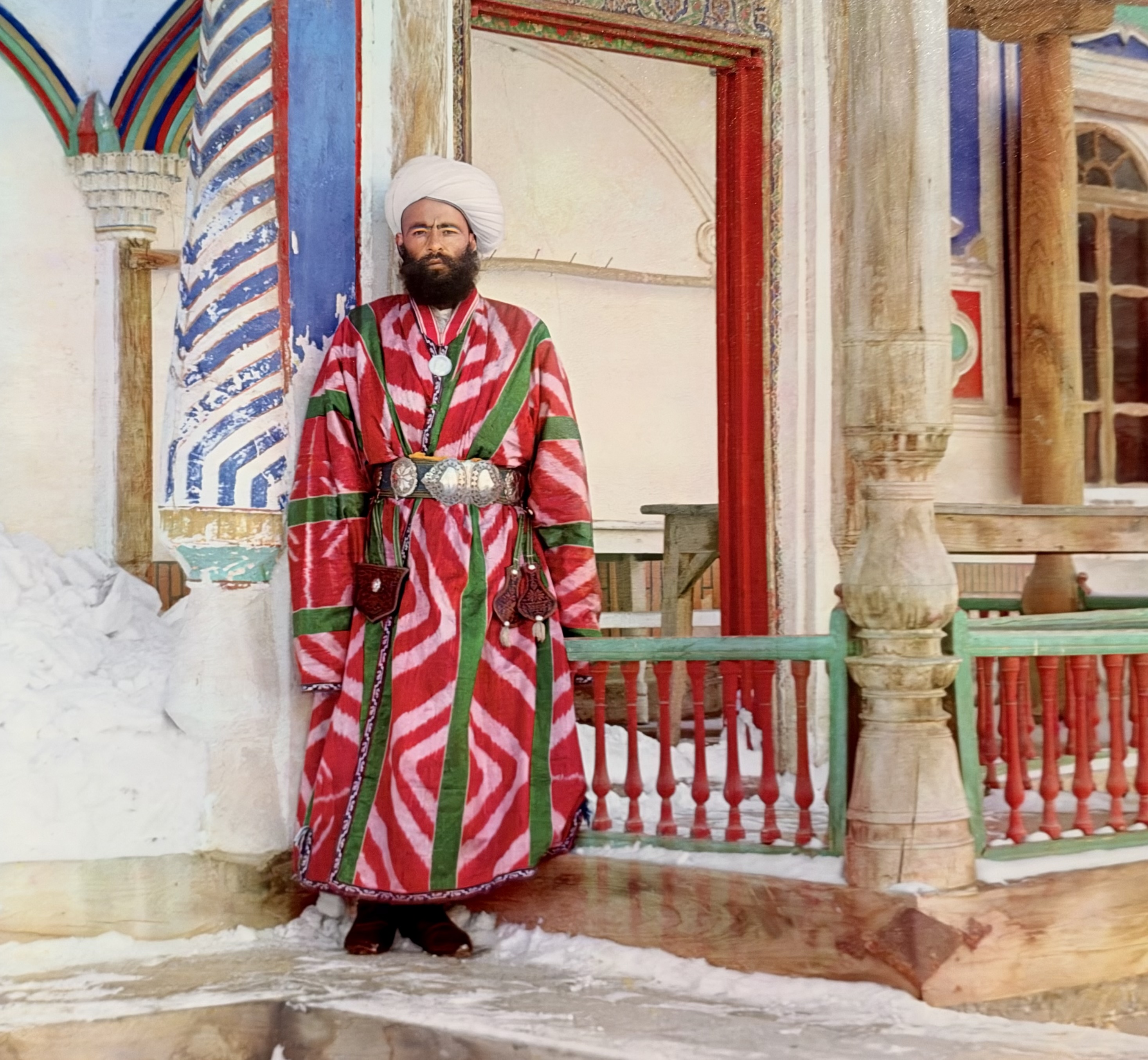
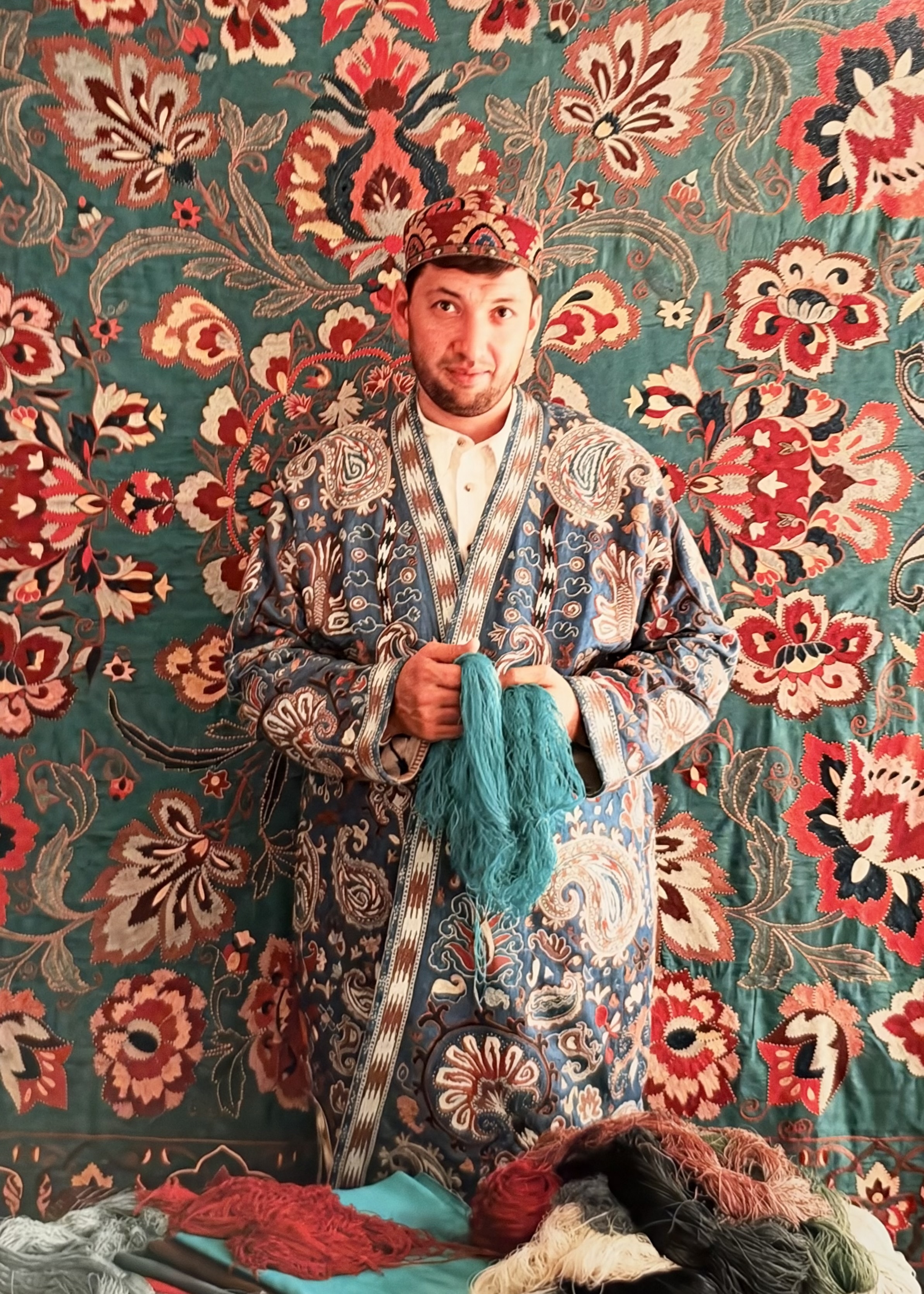
Perhaps most compelling is the exhibition's exploration of Uzbekistan's living craft traditions. In Legacies of Clay and Thread, traditional ikat robes and embroidered textiles are presented alongside a functioning silk loom from Tashkent's Museum of Applied Arts, connecting historical techniques with the artisans who continue to practise them today.

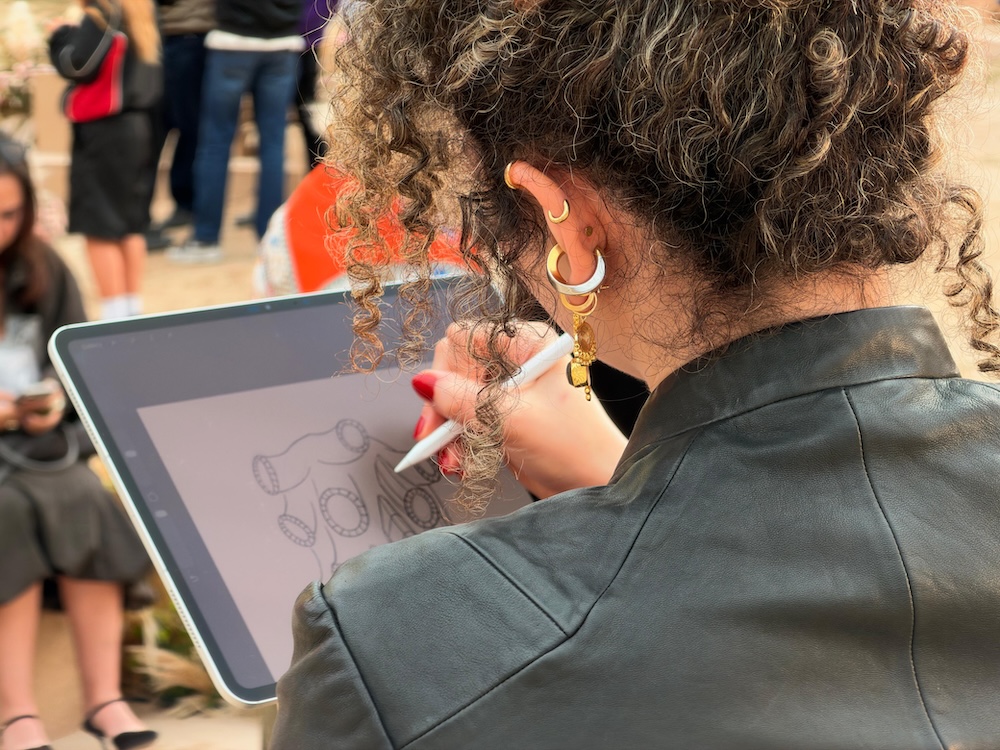
Contemporary fashion also finds its place within the exhibition, with garments by Uzbek designer Madina Kasimbaeva demonstrating how traditional textile techniques can be reinterpreted through modern design. Works on paper by Bukhara-born artist Davlat Toshev, the museum's Artist in Residence, similarly revisit the country's illustrated manuscript traditions, drawing connections between sixteenth-century artistic practices and contemporary expression.
Beyond the exhibition itself, Uzbekistan: Heritage in Motion marks the beginning of a formal institutional partnership between the Museum of Islamic Art and ACDF, reflecting growing cultural ties between Qatar and Uzbekistan.
Running alongside the exhibition is Ektashif Uzbekistan, a presentation featuring new works by Qatari artists developed following research journeys to Tashkent, Samarkand and Bukhara, which we particularly loved as it only features individuals that aren't artists in their daily life (for example, a pomegranate ceramic artwork that caught our eye was produced by mechanical engineer Hameed Al Qahtani.) Now in its fifth edition, the initiative encourages artists to engage directly with the architecture, craftsmanship and cultural traditions of different countries, translating those experiences into their own creative practices.
Through its combination of rare historical objects, contemporary commissions and immersive installations, Uzbekistan: Heritage in Motion offers an opportunity to discover a cultural history that remains deeply connected to the present. From the painted walls of ancient Samarkand to the intricate textiles still produced by Uzbek artisans, the exhibition reveals how artistic knowledge travels across generations, continually finding new forms of expression.
Uzbekistan: Heritage in Motion is on view at the Museum of Islamic Art in Doha until November 28, 2026. See more here