The Women Who Shaped Arab Modernism Take Centre Stage at Alserkal Art Week

From a major exhibition of pioneering women artists to five decades of work by Palestinian artist Sliman Mansour, here's what to expect from Dubai's Alserkal Art Week this November.
This November, Alserkal Art Week turns its attention to a group of artists whose contribution to Arab modernism deserves a much bigger place in art history. At Concrete, a major exhibition presented in partnership with the Barjeel Art Foundation brings together works by pioneering women artists including Fahrelnissa Zeid, Samia Halaby, Inji Aflatoun and Etel Adnan.
Curated by Suheyla Takesh and Rémi Homs, the exhibition looks at how these women helped shape the region's artistic landscape throughout the 20th century, responding to political change, shifting social structures and new possibilities in art.
It's the centrepiece of a programme running from 15 to 22 November, which also includes five decades of work by Palestinian artist Sliman Mansour, 17 new gallery exhibitions, conversations curated by Egyptian artist Moataz Nasr and a moving-image takeover by the Chanel Culture Fund. The theme this year is Smouldering, a reference to the persistence of memory, cultural resistance and ideas that continue to resonate long after their original moment.
The Women Who Helped Shape Arab Modernism

The exhibition at Concrete is arguably one of the most interesting reasons to visit Alserkal Art Week this year. Bringing together works from the Barjeel Art Foundation's collection, it examines the contributions of women artists working across the Arab world during a period of considerable social, political and cultural transformation.
Among the featured artists is Fahrelnissa Zeid, whose large-scale abstract compositions challenged conventional approaches to painting; Samia Halaby, a pioneer of abstraction whose work has consistently explored the relationship between art, perception and political consciousness; Inji Aflatoun, whose paintings reflected her engagement with Egyptian society and political life; and Etel Adnan, whose practice moved between painting, poetry and writing.
Their approaches were markedly different, shaped by their respective experiences and the environments in which they worked. What connects them is the role they played in developing new artistic languages at a time when questions of identity, independence and modernity were being actively negotiated across the region. The exhibition also addresses the ways these artists incorporated vernacular materials and local methods of making into their practices, challenging the idea that modernism in the Arab world simply followed developments in Europe.
For Suheyla Takesh, Director of the Barjeel Art Foundation, the exhibition offers an opportunity to revisit a history in which women's contributions have not always received the recognition they deserve: “While often sidelined by art history, these artists were active participants in the region’s cultural life, developing new visual languages and engaging with the social and political transformations of their time,” she expresses
It's a distinction worth making; these women weere actively shaping the margins of Arab modernism.
The exhibition opens on 15 November and remains on view until 22 November.
Five Decades of Sliman Mansour's Work
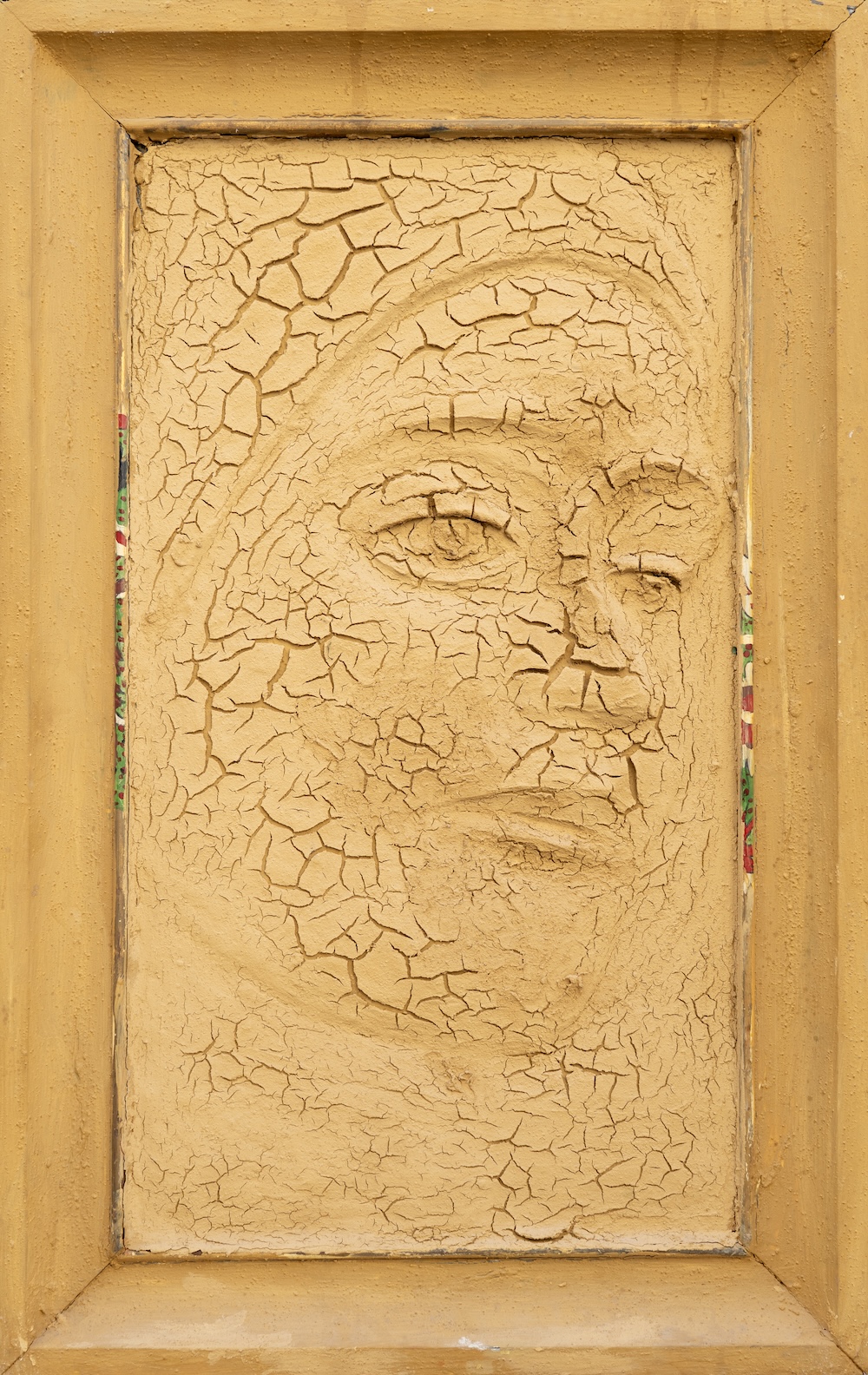
Another highlight comes from Palestinian artist Sliman Mansour, whose work has become closely associated with the visual history of Palestine.
Presented by George Al Ama and Fann À Porter, Promises and Scars brings together works produced between the 1970s and the 2020s, offering visitors a look at five decades of the artist's practice. Mansour is widely recognised for his depictions of Palestinian life, landscapes and cultural identity. His work has frequently addressed the relationship between people and land, as well as the experiences of displacement, occupation and collective memory.
The exhibition offers an opportunity to see how these subjects have developed throughout his career, and how his artistic language has evolved alongside the political and social realities of Palestine. At a time when Palestinian cultural heritage remains at the centre of urgent conversations about preservation and identity, a presentation of this scope feels particularly relevant.
Promises and Scars will be on view in Warehouse 46 until 22 November.
Moataz Nasr Brings a Different Format to Majlis Talks
For this edition of Majlis Talks, Alserkal has invited Egyptian painter and sculptor Moataz Nasr, who is also curator of the Alexandria Biennial, to develop a programme titled Sharing the Sensitive.
Taking place on 15 November in The Yard, the event will bring together Simon Njami, Julie Banatre and Jenny Mbaye in conversation with Nasr. Rather than following a conventional panel discussion, the programme will take the form of a cross-conversational round table, allowing the speakers to exchange perspectives on the relationship between art, resistance, memory and community.
The discussion will also question some of the established assumptions through which contemporary art is presented and interpreted, particularly the dominance of Western perspectives within international art discourse. With speakers whose work engages different cultural contexts and approaches to artistic practice, Sharing the Sensitive promises a conversation that extends beyond exhibitions and institutions to consider the role art plays in everyday life.
Chanel Culture Fund Takes Over The Yard Screens
Visitors to Alserkal Avenue will also encounter a series of moving-image works presented by the Chanel Culture Fund as part of Fracture: The Window.
Running from 9 to 29 November, the project takes over The Yard's screens with a selection of works exploring identity, memory and the increasingly blurred boundaries between physical and digital experience. The presentation forms part of the Fund's ongoing public digital art initiative and introduces contemporary moving-image practices into the shared spaces of the Avenue.
It's an interesting addition to the programme, particularly in the way it moves digital art beyond the gallery and into an environment where visitors might encounter it unexpectedly, whether they're attending an exhibition, meeting friends or simply passing through.
The works consider how our understanding of identity and experience is changing within increasingly mediated environments, an area that continues to occupy a growing number of contemporary artists.
Seventeen New Exhibitions and an International Guest Programme
Beyond the headline presentations, Alserkal Art Week will see 17 new exhibitions open across the Avenue's contemporary art galleries.
The wider programme also includes projects from Alserkal's international network, introducing artists and institutions whose practices bring different geographical and cultural perspectives to Dubai.
Among them is The Temple Manuscripts – Selected Works by Russell Watson, presented by the Barbados Museum to mark the country's 60th anniversary of independence.
Organised in partnership with the Embassy of Barbados in the UAE and hosted by the Alserkal Arts Foundation, the presentation adds another dimension to the week's conversations around cultural memory and identity.
Elsewhere, The Art Circle (TAC) will present works by shortlisted artists for this year's Art Circle Award, supported by Alserkal. The exhibition will be on view in Warehouse 50B from 11 to 22 November.
Together, these projects reflect the international scope of Alserkal's programming, while maintaining the Avenue's role as a meeting point for artistic practices from the region and beyond.
For those looking to spend more time exploring the Avenue, the closing weekend on 21 and 22 November will include film screenings by Cinema Akil, slow art walks and gallery tours designed for children.
The slower-paced activities are a welcome addition, particularly for visitors who prefer taking their time with exhibitions rather than moving quickly between openings.
With so much happening across the district, the programme offers several ways to engage, whether you're interested in modern art history, contemporary Palestinian art, digital practices or the conversations taking place around them.
But the exhibition at Concrete remains the standout.
Bringing together women whose work helped define modern art across the Arab world, it offers a valuable opportunity to see these artists in conversation with one another and to consider their place within a wider artistic history.
For anyone interested in the region's cultural history, it's an exhibition worth making time for.
Cover: Asmahan Elfergani Born 1946, Benghazi, Libya
The Libyan Woman, 1972 Oil on canvas, 65×65 cm Collection of Barjeel Art Foundation, Sharjah
Alserkal Art Week 2026
When: 15–22 November 2026
Where: Alserkal Avenue, Al Quoz, Dubai
Key dates:
- 15–22 November: Women Modernists exhibition at Concrete
- 15 November: Sharing the Sensitive, Majlis Talks curated by Moataz Nasr
- Until 22 November: Sliman Mansour, Promises and Scars, Warehouse 46
- 9–29 November: Chanel Culture Fund, Fracture: The Window
- 21–22 November: Cinema Akil screenings, slow art walks and family gallery tours
For the full programme and updates, visit alserkal.online or follow @alserkalavenue.