The Cairo We Don't Always See, Through Mustafa Tawfik's Lens
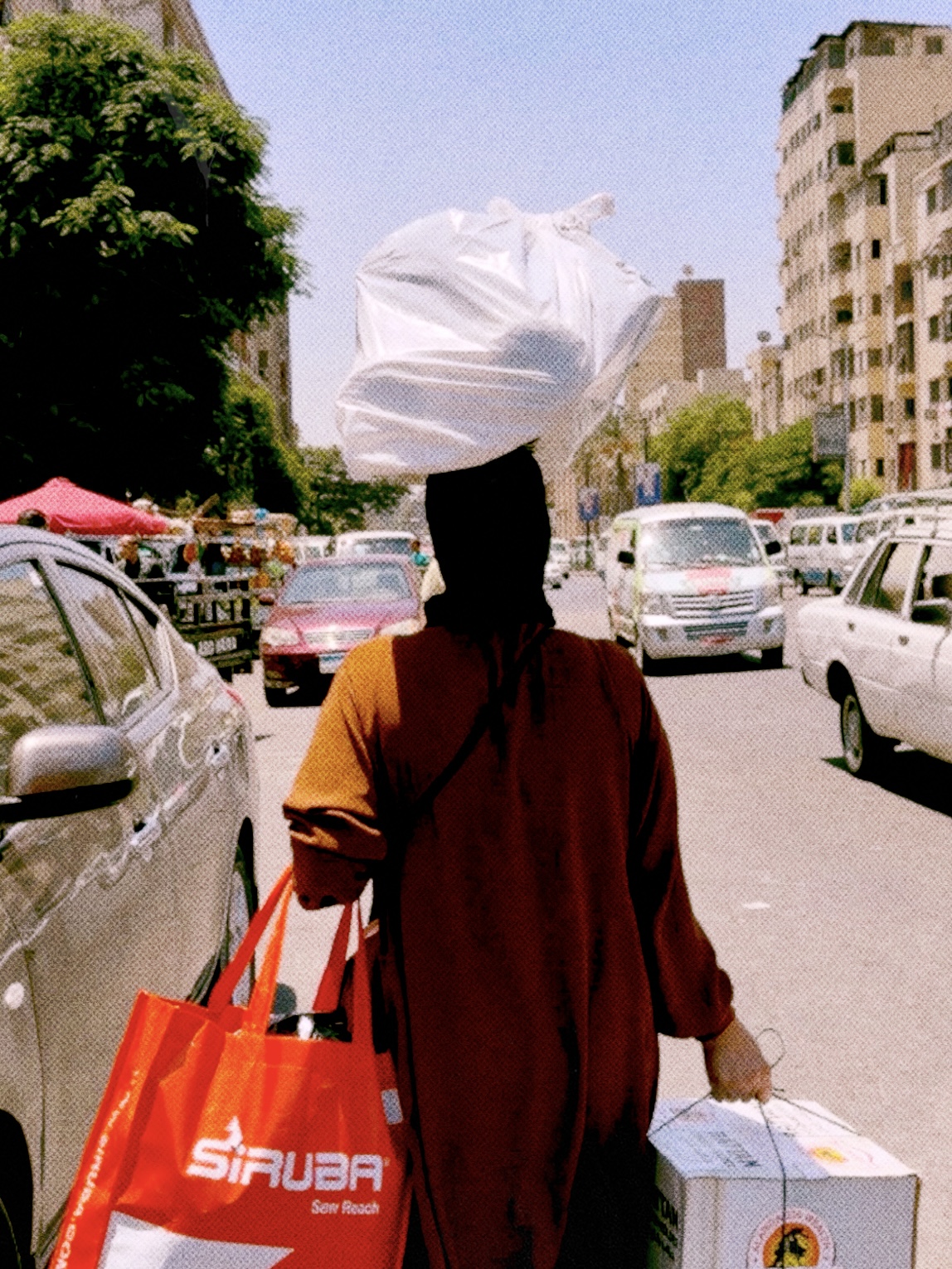
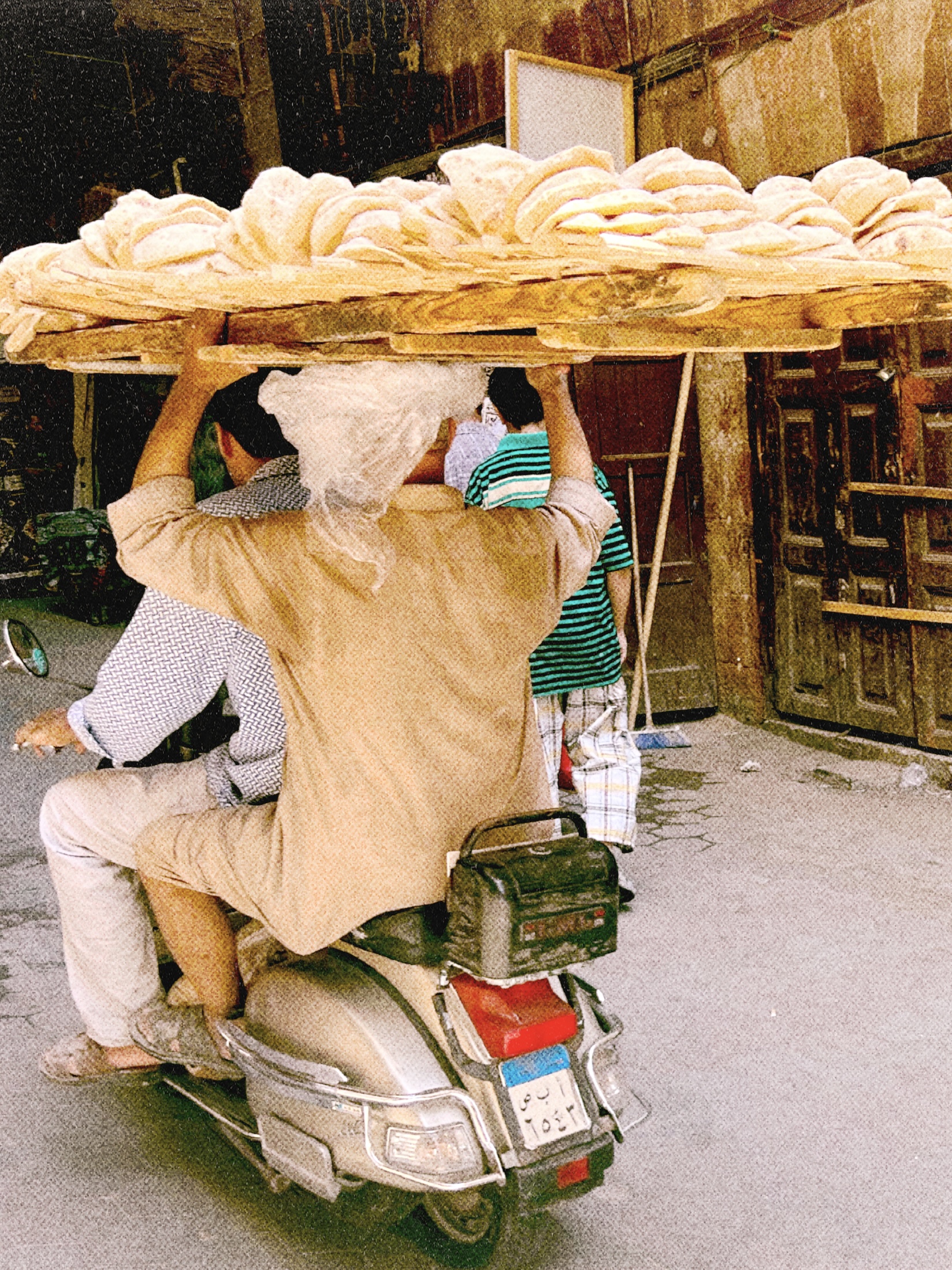
Cairo is a city that rarely stands still. Its streets are loud, layered and endlessly in motion; millions of lives unfolding alongside one another against a backdrop that carries thousands of years of history.
Yet for Egyptian street photographer Mustafa Tawfik, some of the city's most compelling stories are found not in its monuments or its most recognisable scenes, but in the moments almost nobody notices.
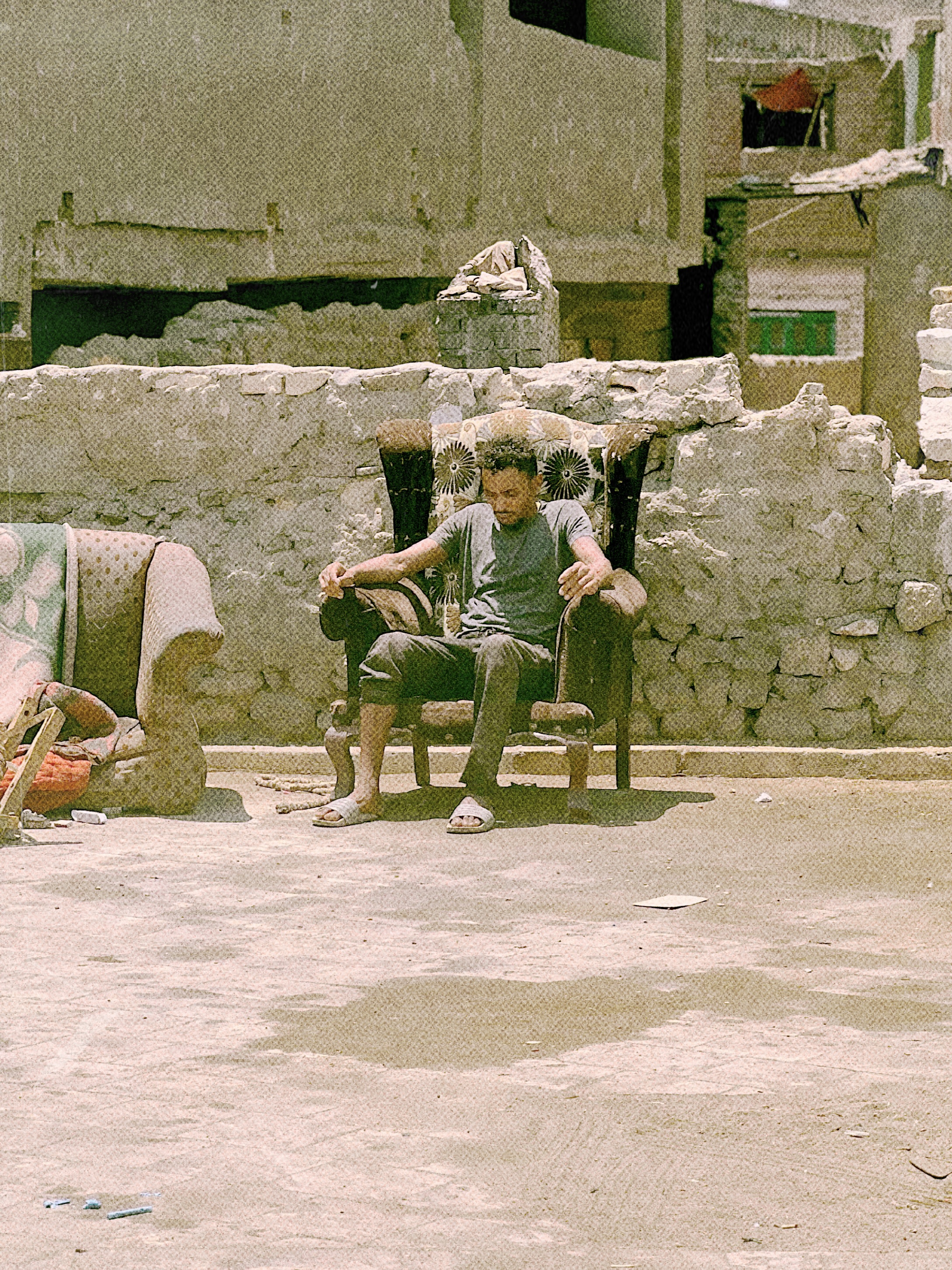
In his latest photographic series, Tawfik turns his lens towards the quieter rhythm of everyday Cairo: people passing one another in the street, figures momentarily lost in thought, familiar routines repeated day after day and brief exchanges between strangers. Individually, the photographs capture seemingly ordinary moments. Together, they become fragments of stories we may never fully know.
It is an approach deeply connected to the way Tawfik understands photography itself.
"My practice is grounded in observation," he explains, describing himself as drawn to "the quiet theatre of everyday life, where people reveal themselves through gesture, rhythm, and presence."
Rather than searching for spectacle, Tawfik watches. A glance, a posture, the distance between two people or the way someone occupies a particular corner of the city can become enough to suggest an entire narrative. His interest lies precisely in what remains unsaid: "the unspoken narratives carried in movement and behaviour, and the way personal stories surface in public space."
There is something particularly fitting about applying this gaze to Cairo.
So much of the visual language surrounding the Egyptian capital has historically been dominated by its extraordinary past. The pyramids, mosques, architecture and densely populated streets have become familiar shorthand for the city. Tawfik's photographs propose another way of understanding it. Here, Cairo is shaped as much by its inhabitants as by the history surrounding them.
His images explore this relationship between people and place, documenting a city whose identity is continually being rewritten through ordinary life. The people within the photographs are not performing for the camera. They are simply existing: moving through routines, thinking, waiting, interacting and inhabiting spaces they may have crossed thousands of times before.
That ordinariness is precisely where the beauty lies.
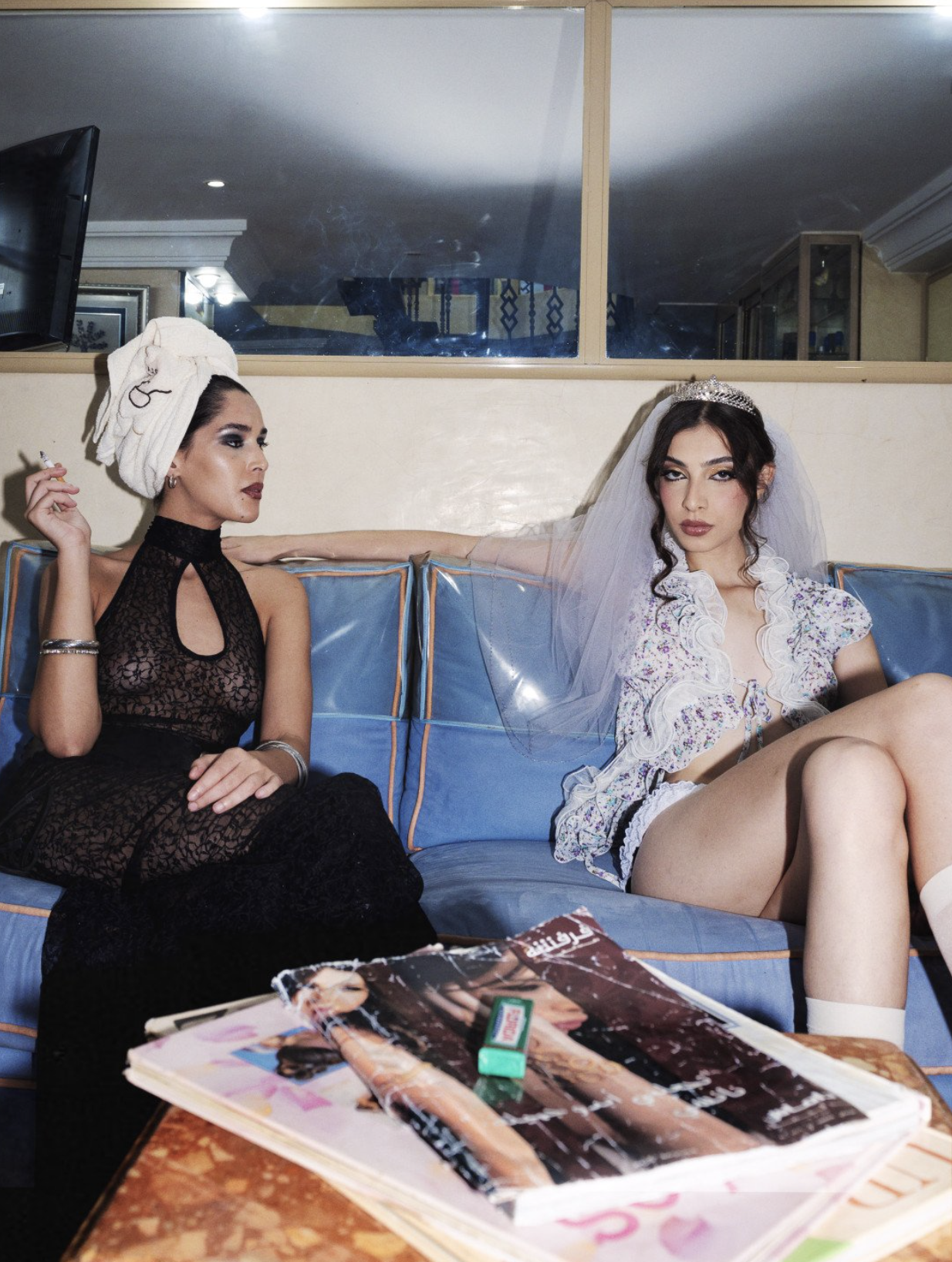
Tawfik describes his photographs as "fragments of untold stories," an idea that leaves space for the viewer to participate. We don't necessarily know where the people pictured are going, what happened moments before the shutter clicked or what will happen afterwards. Instead, we encounter them briefly, much as we encounter strangers ourselves while moving through a city.
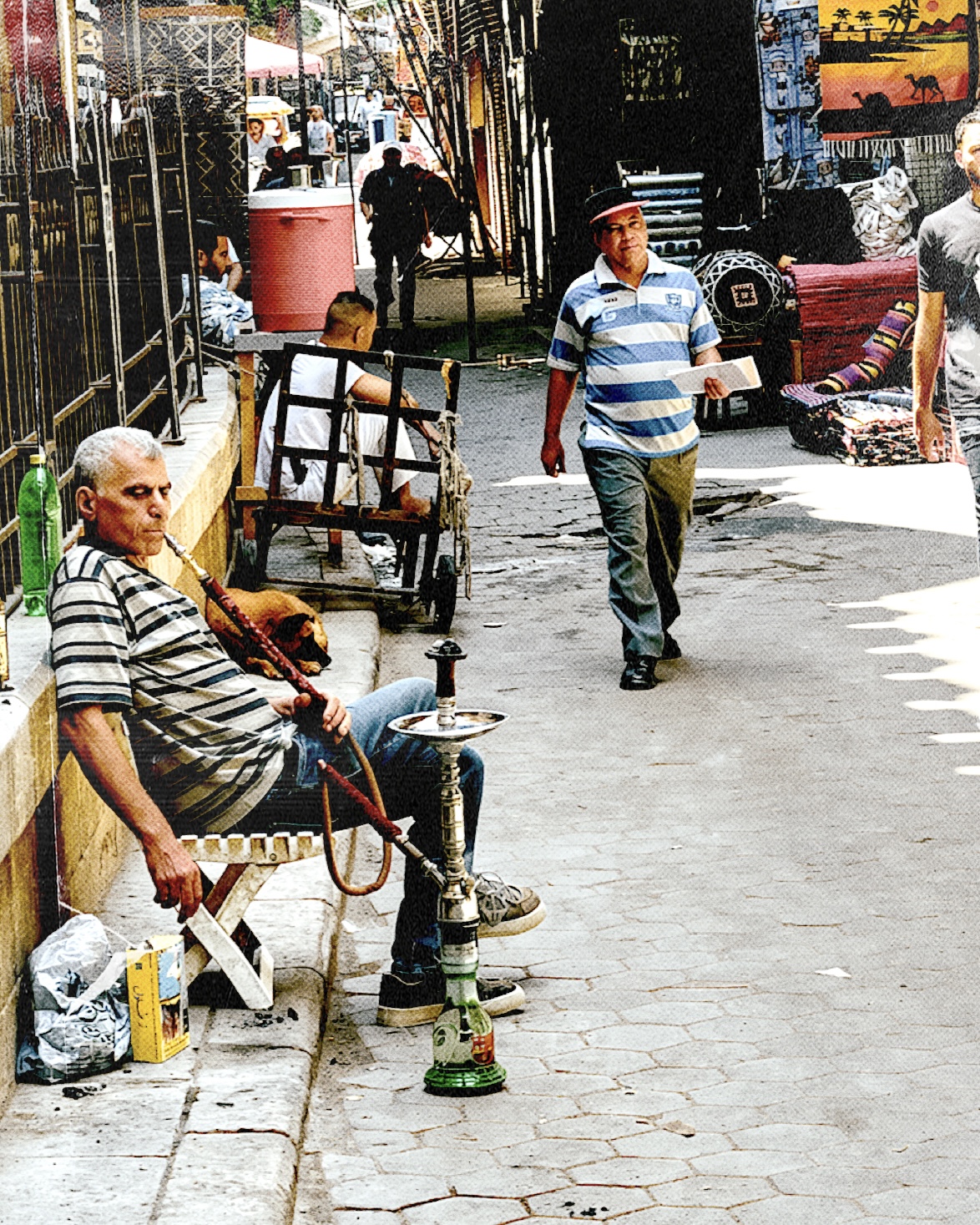
Culture inevitably shapes the way Tawfik sees those moments. As an Egyptian photographer documenting his own surroundings, his perspective comes from familiarity rather than observation from the outside.
"Culture shapes my gaze," he says, "acting as a lens through which I interpret shifting urban life and translate fleeting moments into visual form." It is an important distinction. His Cairo isn't presented as something exotic to be decoded. It is lived-in, intimate and constantly evolving.
Street photography has always possessed this ability to preserve what history books rarely do: the mundane details of how people actually lived. Clothes change. Buildings disappear. Neighbourhoods transform. Habits evolve. Yet a photograph can hold onto a fraction of a second that otherwise would have vanished completely.
Tawfik's series feels particularly interested in those fractions.
.jpg)
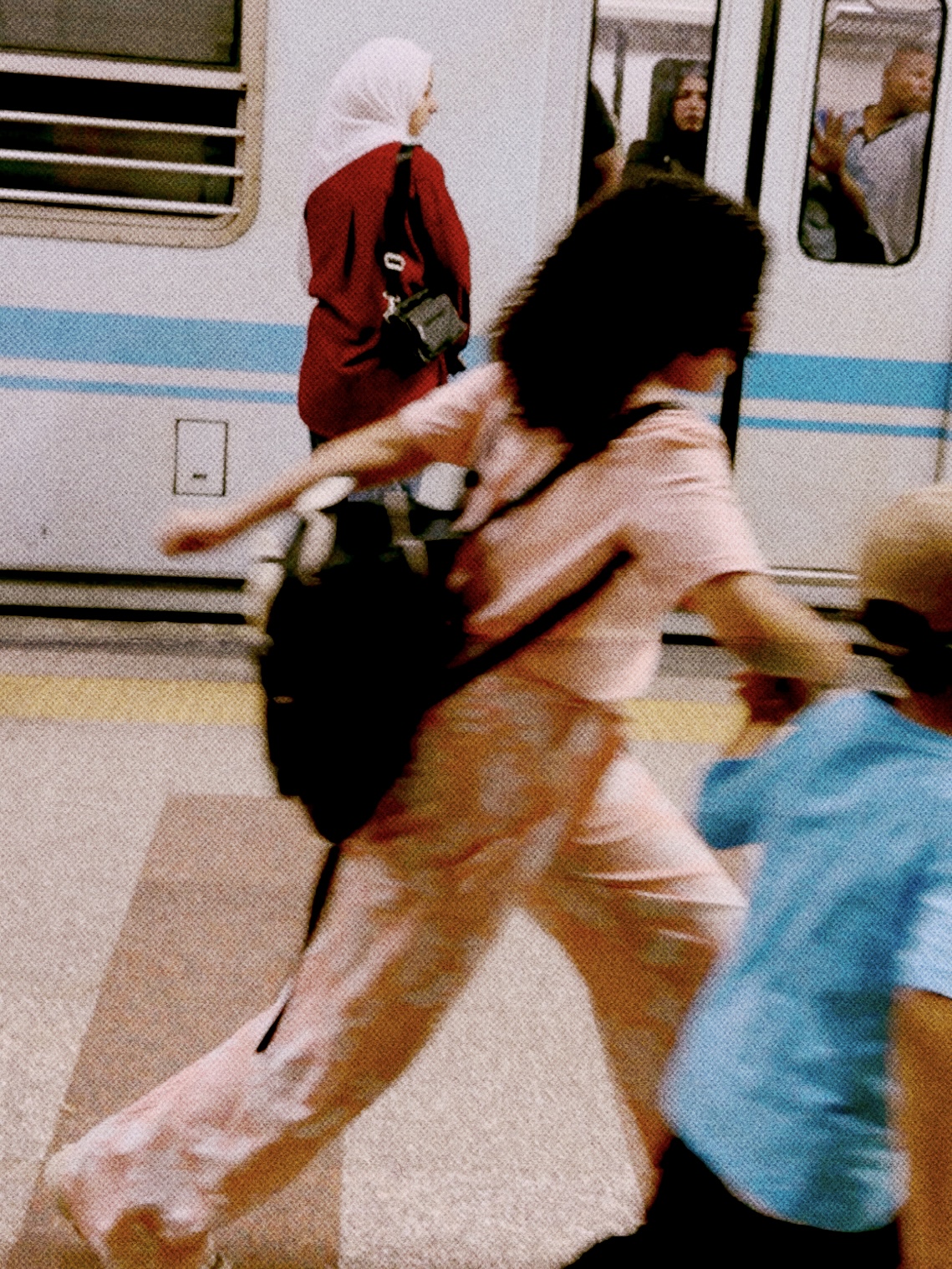
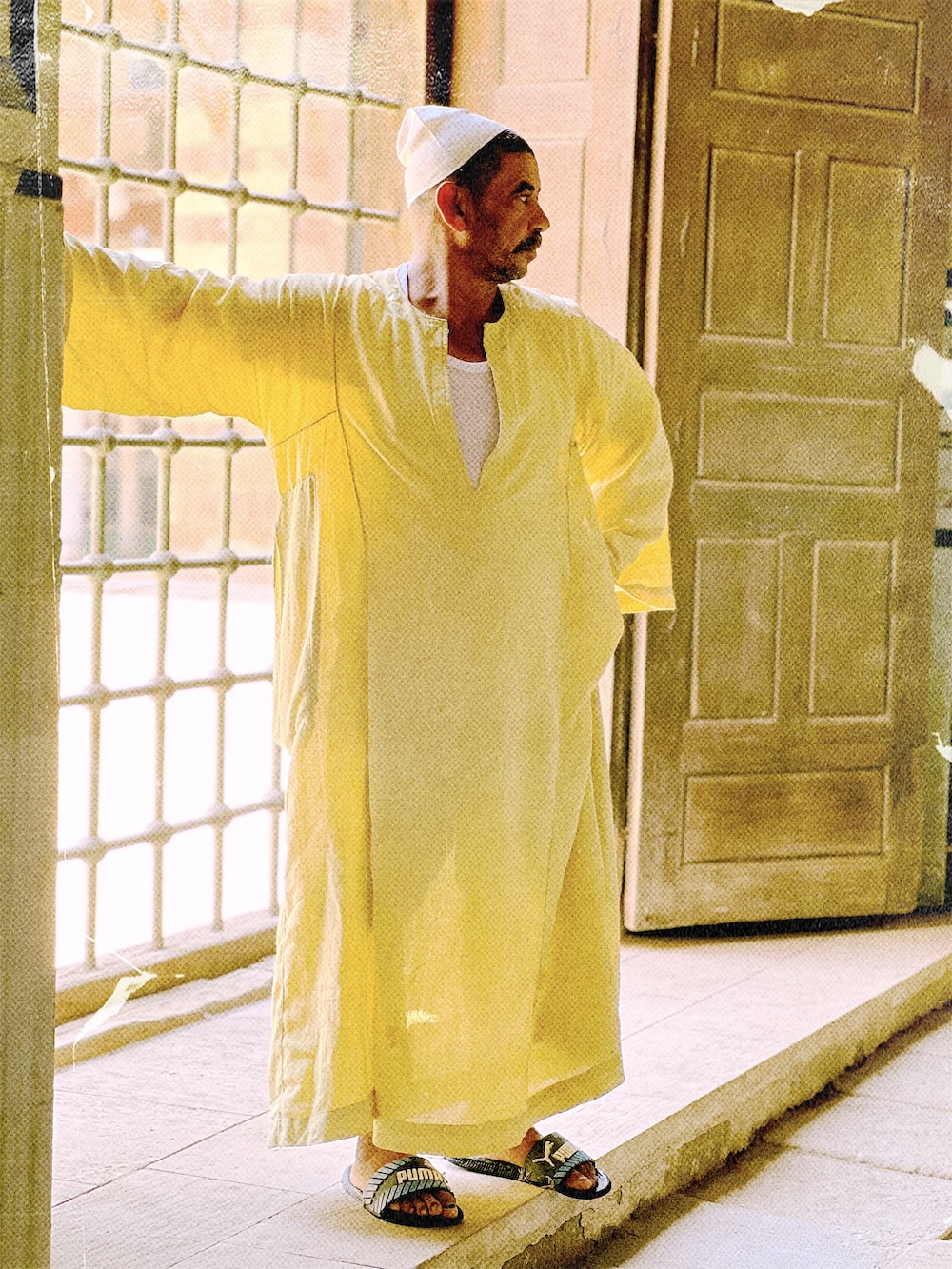
There are no grand declarations here, nor does there need to be. Instead, his photographs ask us to pay closer attention to what is already happening around us. To the gestures we overlook, the strangers we pass and the countless small human stories playing out simultaneously across Cairo every day.
Because perhaps a city's identity isn't only contained in the landmarks that survive generations, no. Sometimes, it lives in the moments that last only a second.
Follow Tawfik's work on Instagram, here




.png)