Saint Voys Is Imagining Fashion Somewhere Between the Sacred and the Artificial
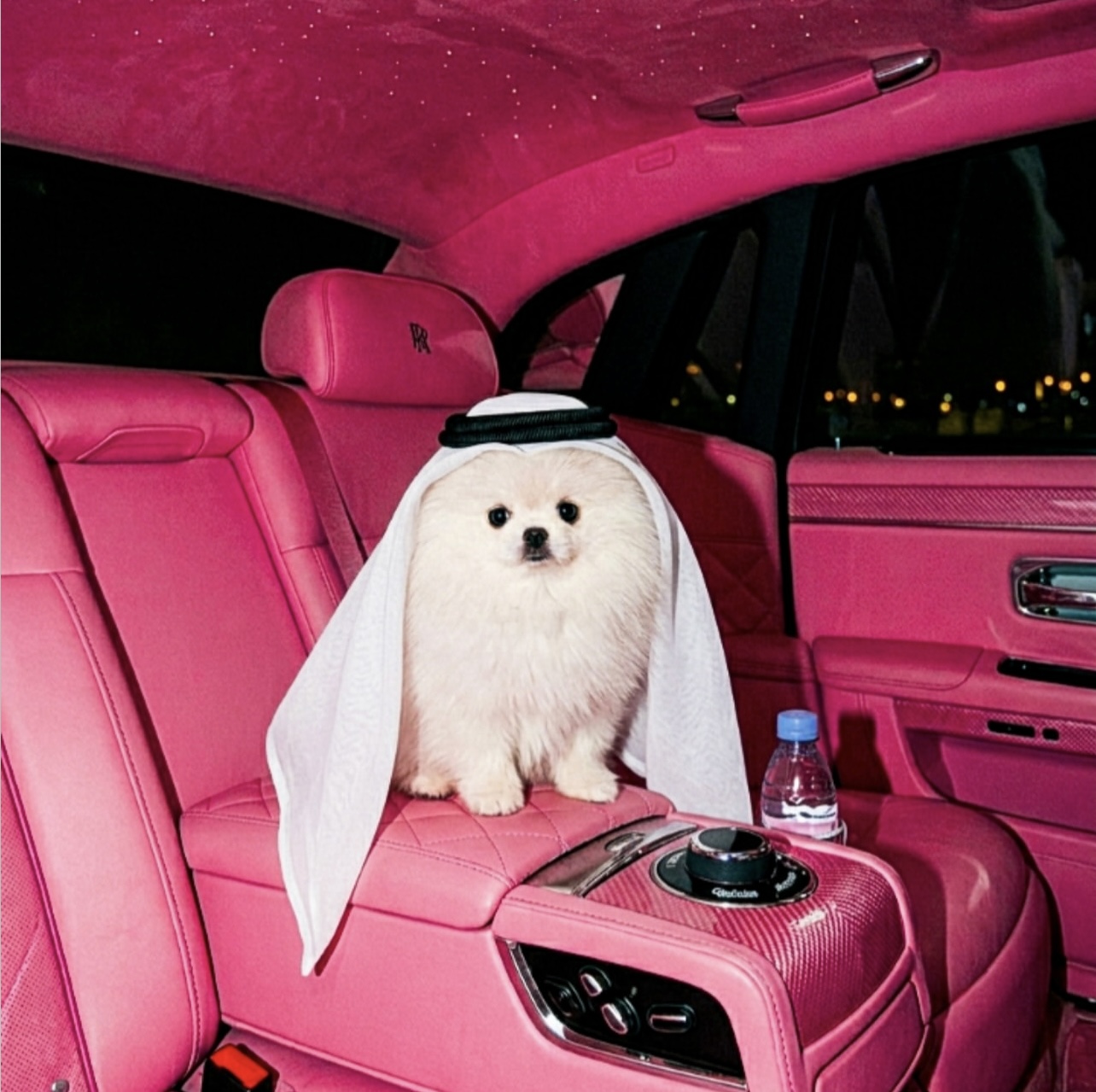
A robot beside a religious icon. Ottoman references dropped into a futuristic world. A photograph that looks completely believable until you notice that something about it couldn't possibly exist. Welcome to the slightly uncanny universe of Saint Voys.
Born Voys Micic, the Serbian-origin AI creative and fashion designer lives between Geneva and Dubai and is the founder of tech-fashion label Twelve Twelve. His work moves freely between fashion, art and technology, pulling from Eastern European heritage, Byzantine and Ottoman history, religious imagery, childhood memories and the increasingly strange possibilities of artificial intelligence.
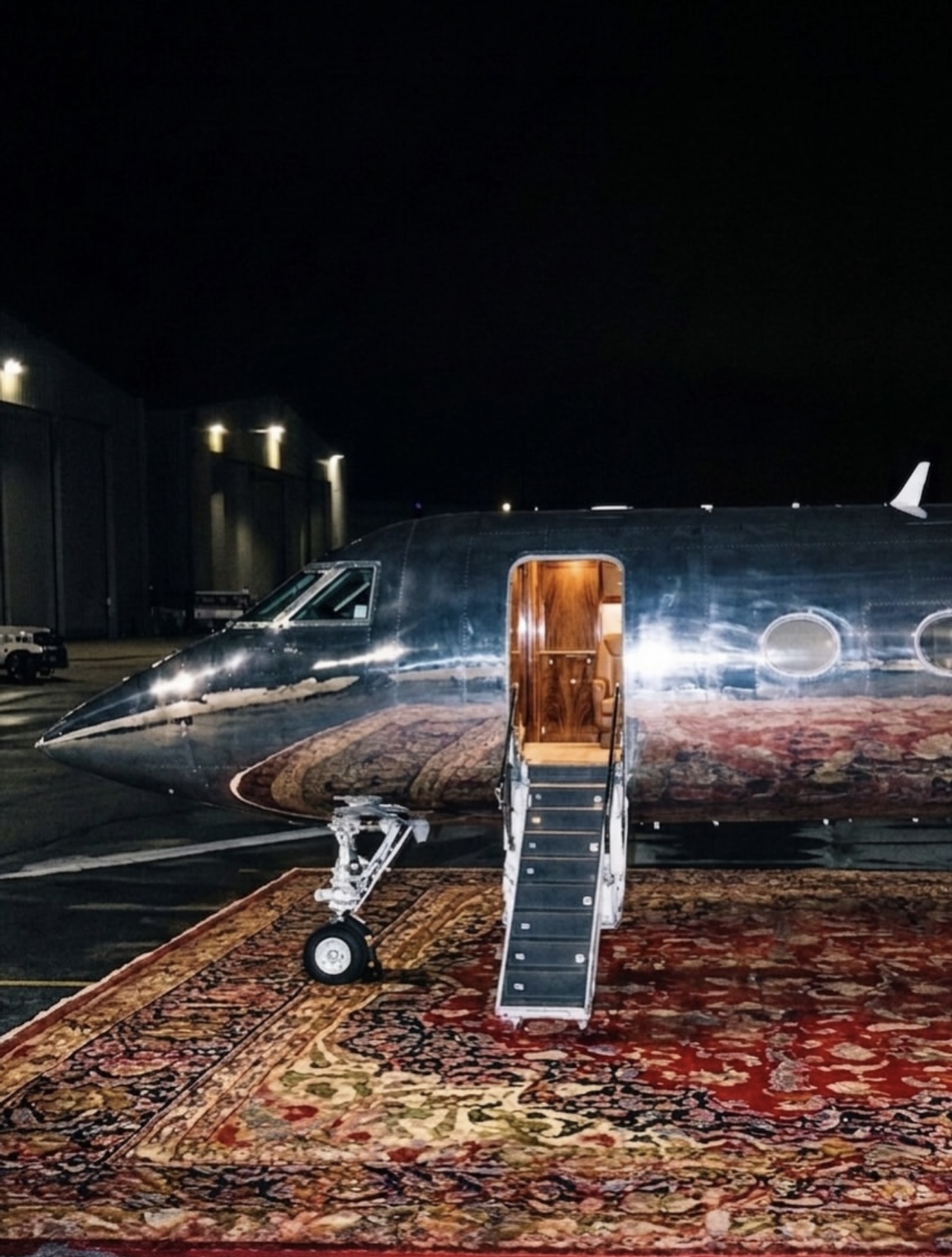
The combinations can feel unexpected, but for Voys, they make perfect sense. “I don’t really consciously decide which references belong in my work. They come quite naturally from the different environments I’ve lived in and the things I’ve been exposed to throughout my life.”
His parents are Serbian, he grew up in Switzerland and now lives in Dubai, three places that have each left their own visual imprint.
“I think all of these places exist somewhere in my visual language. I don’t necessarily try to give them a specific direction or consciously separate them. They just coexist.”
That coexistence has become one of the most recognisable things about his work. The ancient can sit comfortably beside the robotic, religious symbolism can enter a hyper-futuristic landscape and something deeply nostalgic can suddenly become speculative.
For Voys, it also reflects the way he thinks about identity itself. “For me, identity isn’t one single thing. It’s a collection of places, memories, influences and experiences that keeps evolving. My work is really just a reflection of that.”
And then comes perhaps the sentence that best explains Saint Voys' universe: “I don’t want to recreate the past. I want to take elements from it and imagine where they could exist in the future.”
Wait, Is This Real?
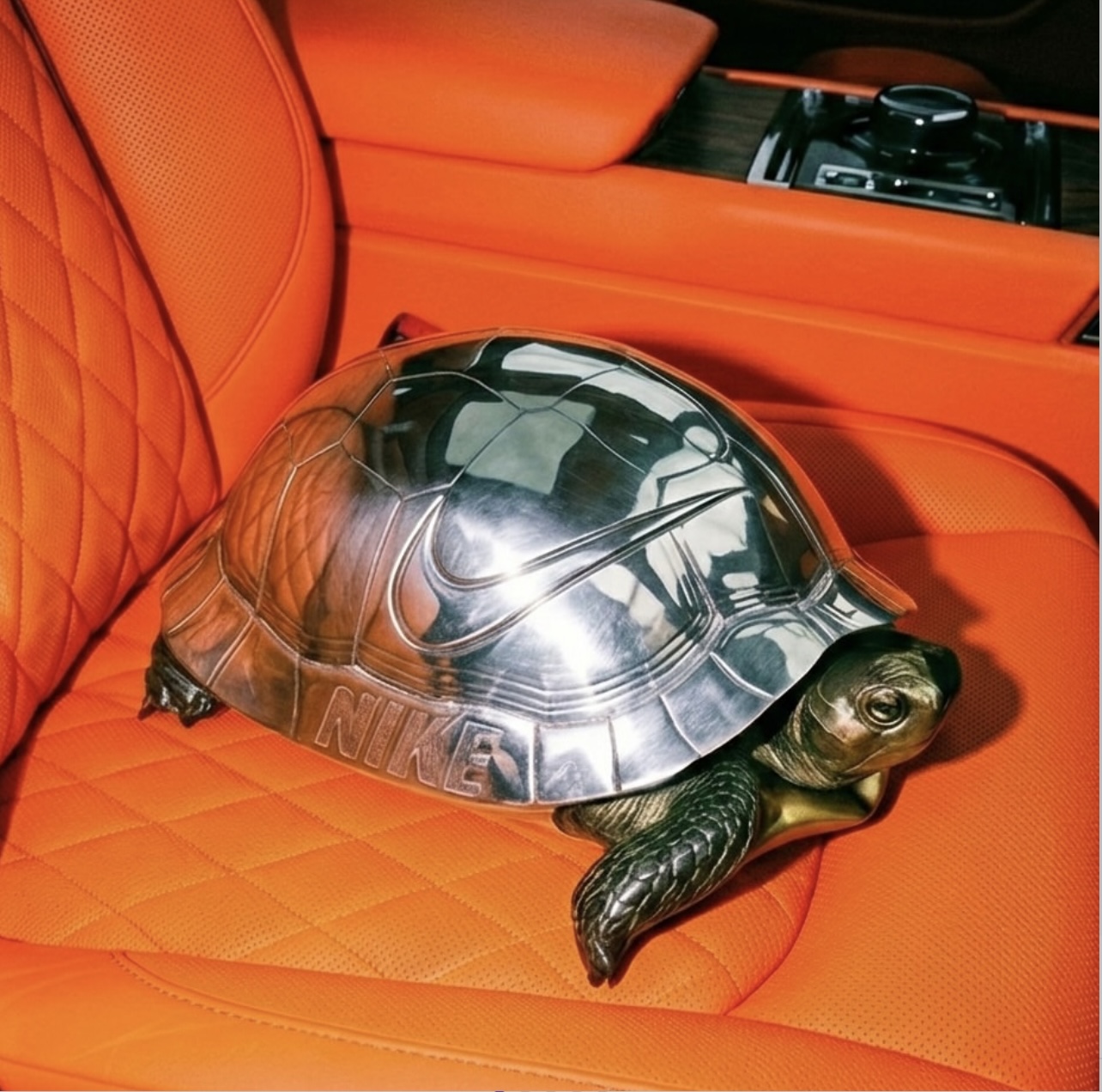
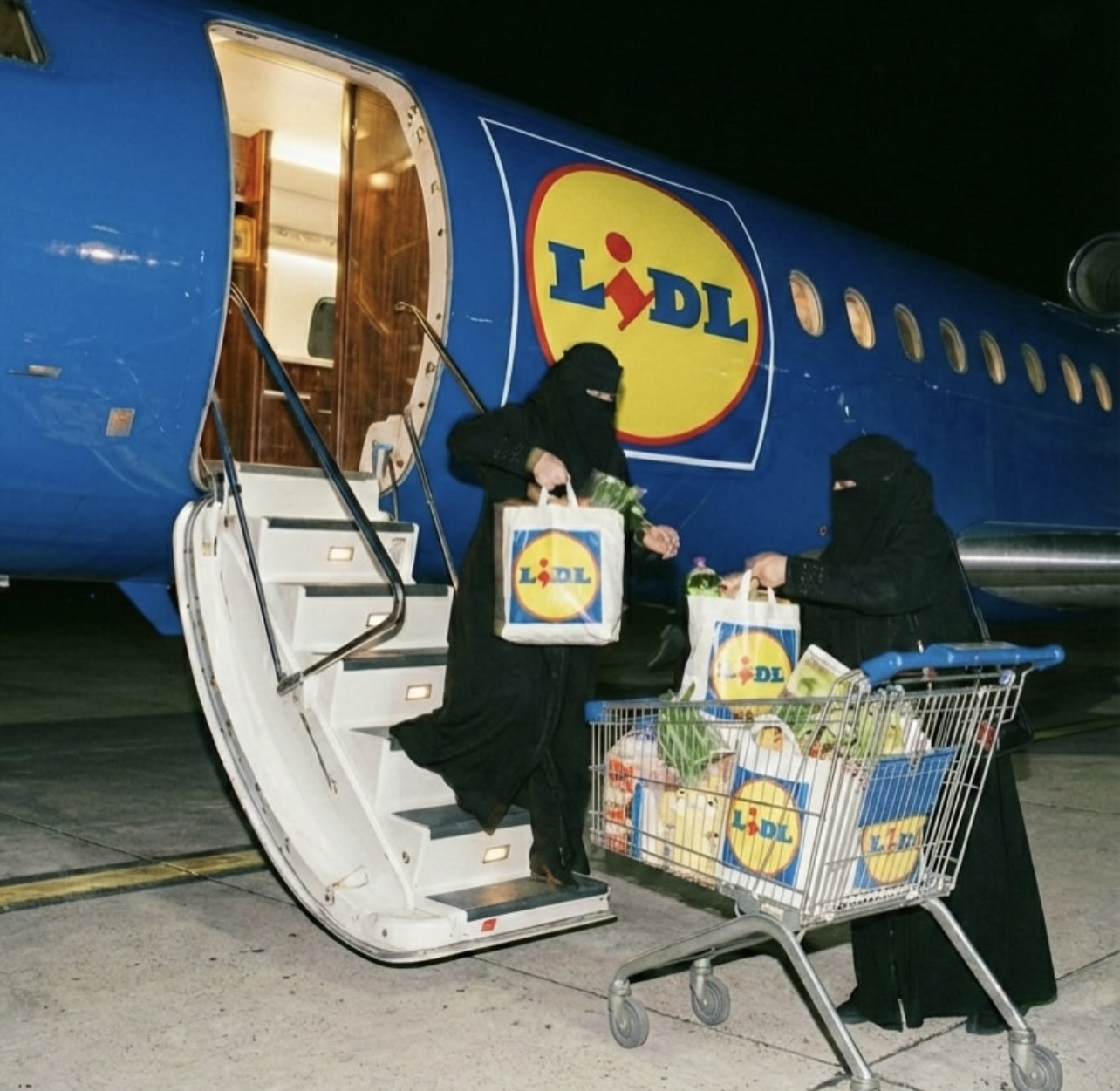
Spend enough time looking at Saint Voys' work and you'll probably ask yourself that question.
His images are often hyper-realistic enough to resemble photography, except that the world inside them doesn't quite behave like ours. The proportions might feel strange, an object may be somewhere it shouldn't be or an otherwise familiar environment has become impossible.
That hesitation is intentional. “We’re used to photographs being connected to something that actually happened, a place, a person, a moment. AI changes that relationship. You can create something that never existed, but make it look as though it was captured by a camera.”
At a time when we're all becoming increasingly suspicious of the images appearing on our screens, Voys is interested in leaning into that uncertainty rather than hiding it.
“I like creating images that feel familiar at first, but then something doesn’t quite make sense. Maybe the environment is impossible, the scale feels strange, or something exists that shouldn’t. I want the viewer to have that small moment of hesitation where they wonder, Wait, is this real?”
He isn't particularly interested in tricking anyone, either. “I don’t necessarily need people to believe that my images are real. I actually prefer when they question them.”
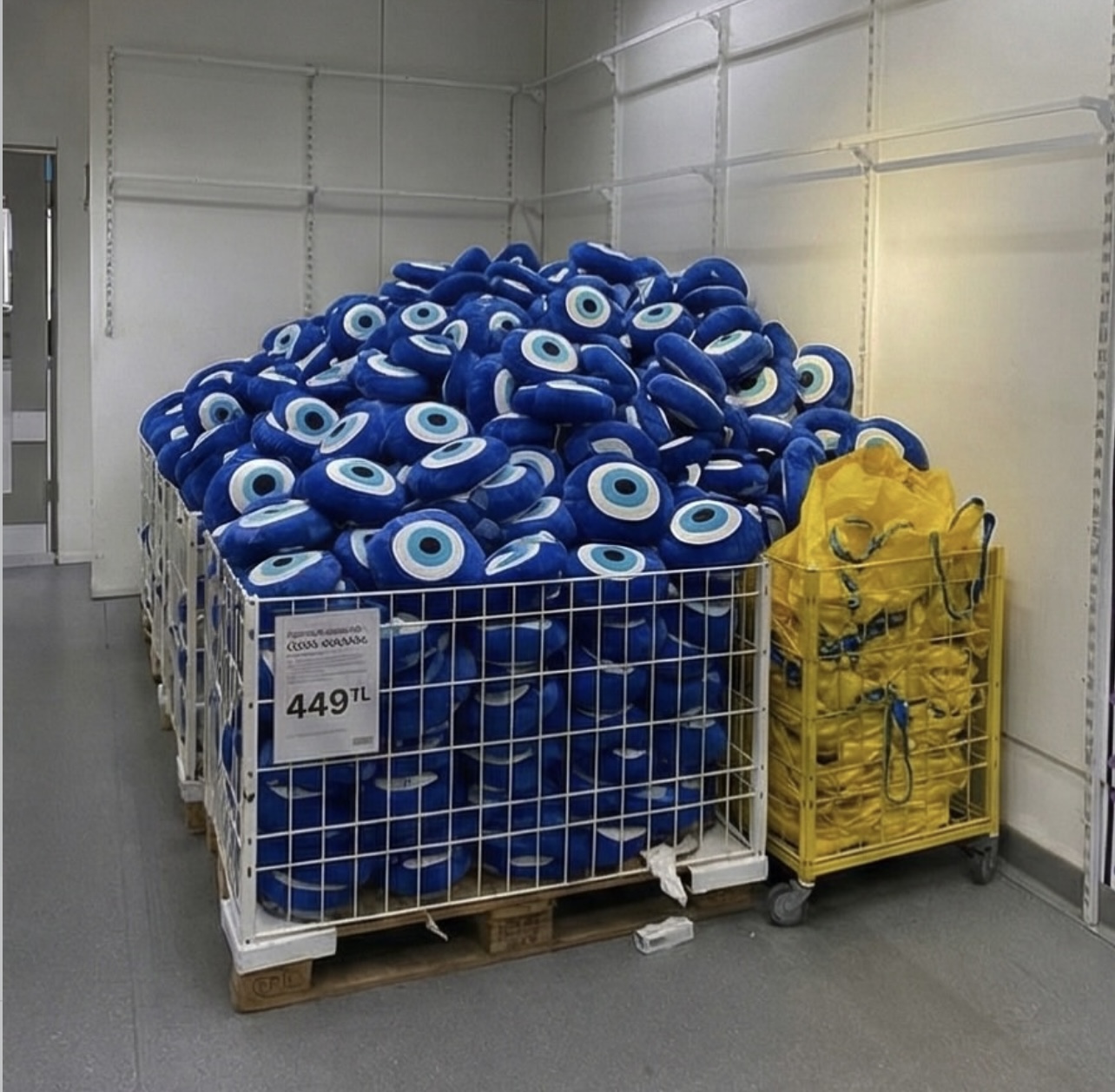
Perhaps that's where his work becomes more interesting than AI simply being used to make a beautiful picture. The strange part isn't that the technology can create something impossible anymore. We've all seen enough AI-generated content to know that. It's how convincing that impossibility can become.
As Voys puts it, “It’s making the impossible feel believable enough that, for a moment, you question your own perception.”
Of course, it's difficult to talk about AI-generated art without getting into the conversation.
Does AI make us more creative? Does it make creativity easier? And if everyone can type a prompt into the same tools, where exactly does the artist come in?
For Voys, that's the wrong place to start. “Today, everyone has access to these tools. So I don’t think the interesting question anymore is ‘Can you use AI?’ Almost anyone can. The interesting question is ‘What can you imagine with it?’”
His own process doesn't necessarily begin with an elaborate prompt. Sometimes it starts with something as ordinary as a photograph taken on his phone. From there, he can change the light, move it into the middle of the night, remove elements, introduce something impossible or rebuild the environment altogether.
The machine can help construct the world, but Voys is adamant that the world still has to begin somewhere inside a human mind.
“I love AI because it allows me to take a simple idea and transform it into something I can actually see. But the technology doesn’t create the idea for me. The creative direction, the references, the decisions and the intention still come from the person using it.”
His philosophy comes down to five words: “Imagined by humans, enhanced by AI.”
And perhaps that is a useful distinction as fashion, photography and art collectively figure out what to do with a technology evolving faster than the conversations around it. “The technology is constantly evolving, but the imagination behind it is still human. I think that’s where the human hand matters most: in having something to say, knowing what you want to see, making choices and having the curiosity to keep pushing an idea further.”
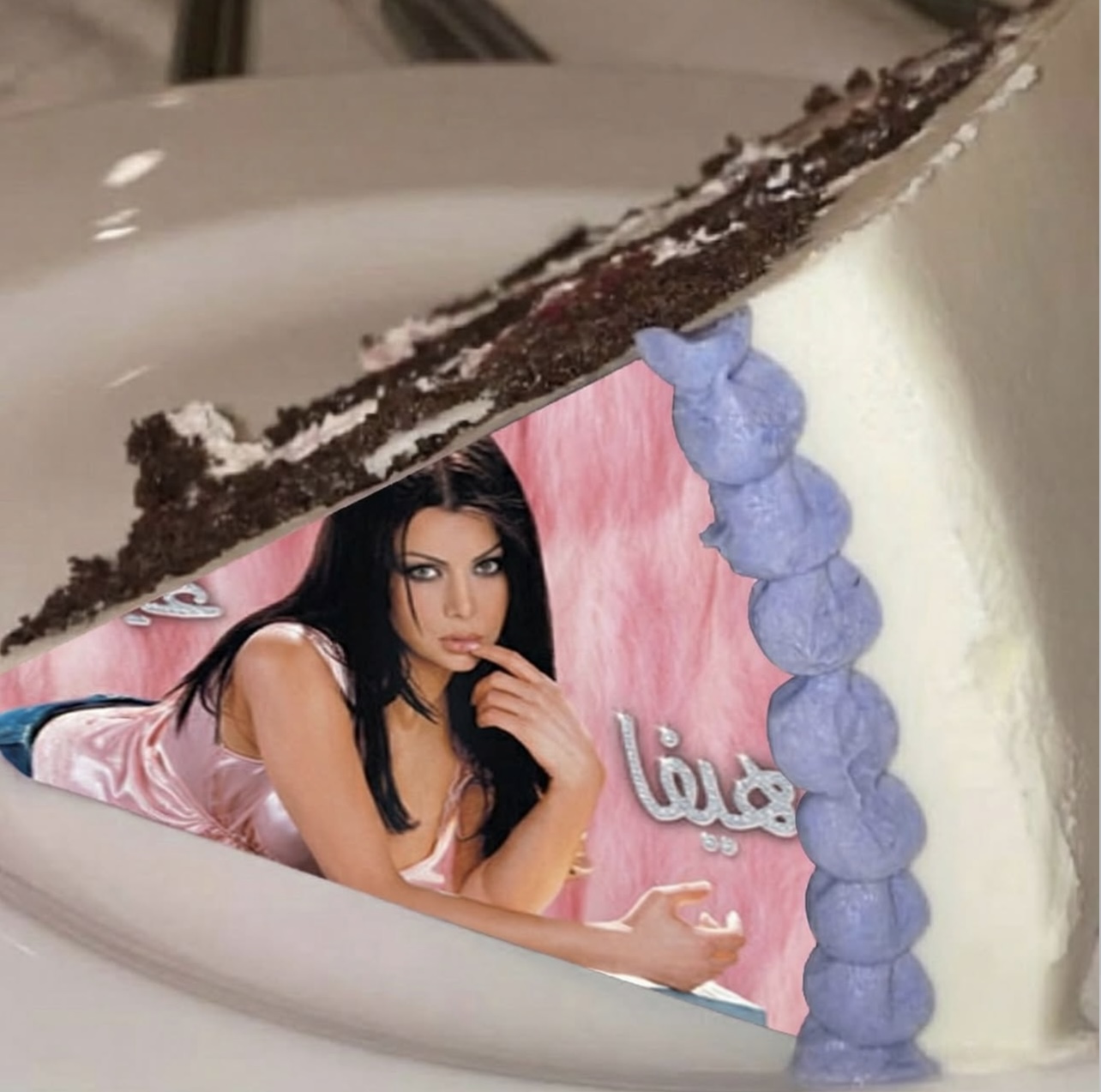
Through Twelve Twelve, Voys is already experimenting with what happens when fashion's physical and digital worlds begin to overlap. But despite working so heavily with technology, he doesn't imagine a future in which physical clothes disappear.
Quite the opposite.
“There is something deeply human about touching a fabric, putting something on your body and having an object physically exist in the world. I think that emotional connection will remain, and perhaps even become more valuable as more of our lives move into digital spaces.”
What he does expect to change dramatically is everything surrounding those clothes. Imagine an avatar that already understands your measurements, proportions and personal style. Instead of scrolling through hundreds of pieces, an AI-powered shopping experience could immediately present the things most likely to fit both your body and your taste.
Campaigns could change even more radically. “You don’t have to wait for winter to create a winter campaign. You can build an entire winter world in the middle of summer. You can create places, environments and situations that would be almost impossible or extremely expensive to produce physically, and still make them feel completely real.”
We're already seeing AI Fashion Weeks, virtual shows and entirely generated campaigns. But Voys doesn't see that as a reason to write the obituary for photographers, stylists or creative directors.
“You still need the creative mind behind the idea, the designer, the art director, the stylist, the photographer, the creative director. AI simply gives those people more freedom to execute what they imagine.”
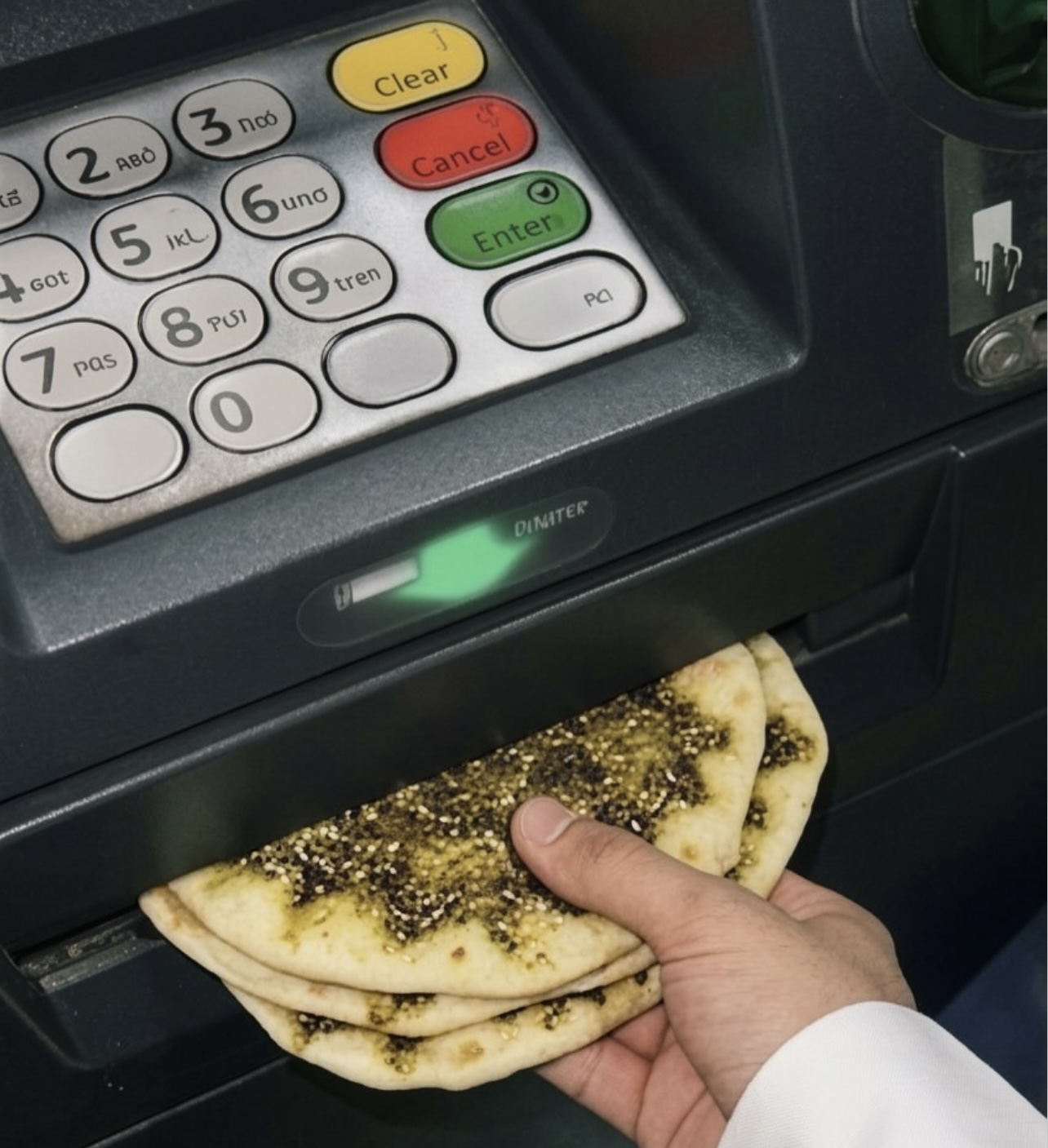
For him, the future isn't a competition between digital and physical fashion. Both remain, but their roles evolve.
“Physical fashion will remain important because of the experience of actually wearing something, the fabric, the texture, the construction, the way it feels on your body. But around that physical object, we will have an almost limitless digital layer.”
Which brings us back to the strange Saint Voys worlds where we started: robots and religion, memory and futurism, things that existed centuries ago sitting beside things that have never existed at all.
Maybe fashion's next frontier isn't deciding between the real and the artificial. Maybe it's discovering what happens when we stop treating them as opposites.
For Voys, at least, that's where things become exciting. “I think we’re entering an era where fashion can become almost limitless creatively. The biggest change won’t necessarily be what we wear, but how easily an idea can become a reality.”
And his final thought feels like a pretty good manifesto for Saint Voys as a whole: “Technology isn’t replacing creativity. It’s removing some of the limits around it.”
Discover more, here

.png)