Max Mara SS27 Is Dressing Women for Their Next Adventure
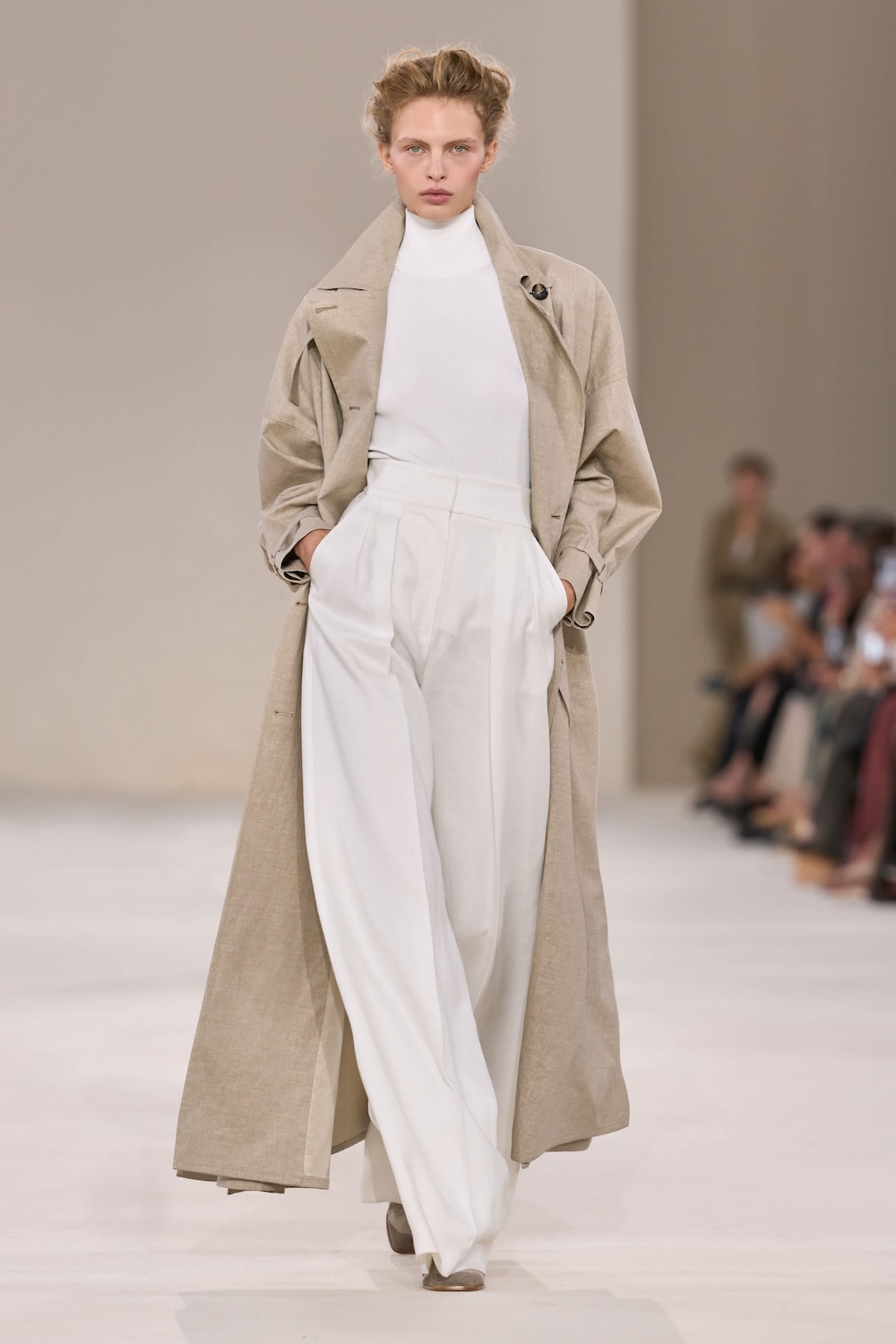
I didn't expect to love Max Mara SS27 as much as I did. After a complicated morning looking for a Milanese cab for over an hour and rushing to the show like I was about to cross the finish of a marathon, I waltzed through the welcome hall, decided against an espresso and eventually found my seat; right behind Anna Dello Russo's and Scott Schuman's.
A bottle of the newly released Max Mara Le Parfum awaited each guest, something the person who was supposed to be sitting on my right will never know, their absence conveniently giving me enough space to lift my elbows without knocking anyone over. But back to the show.
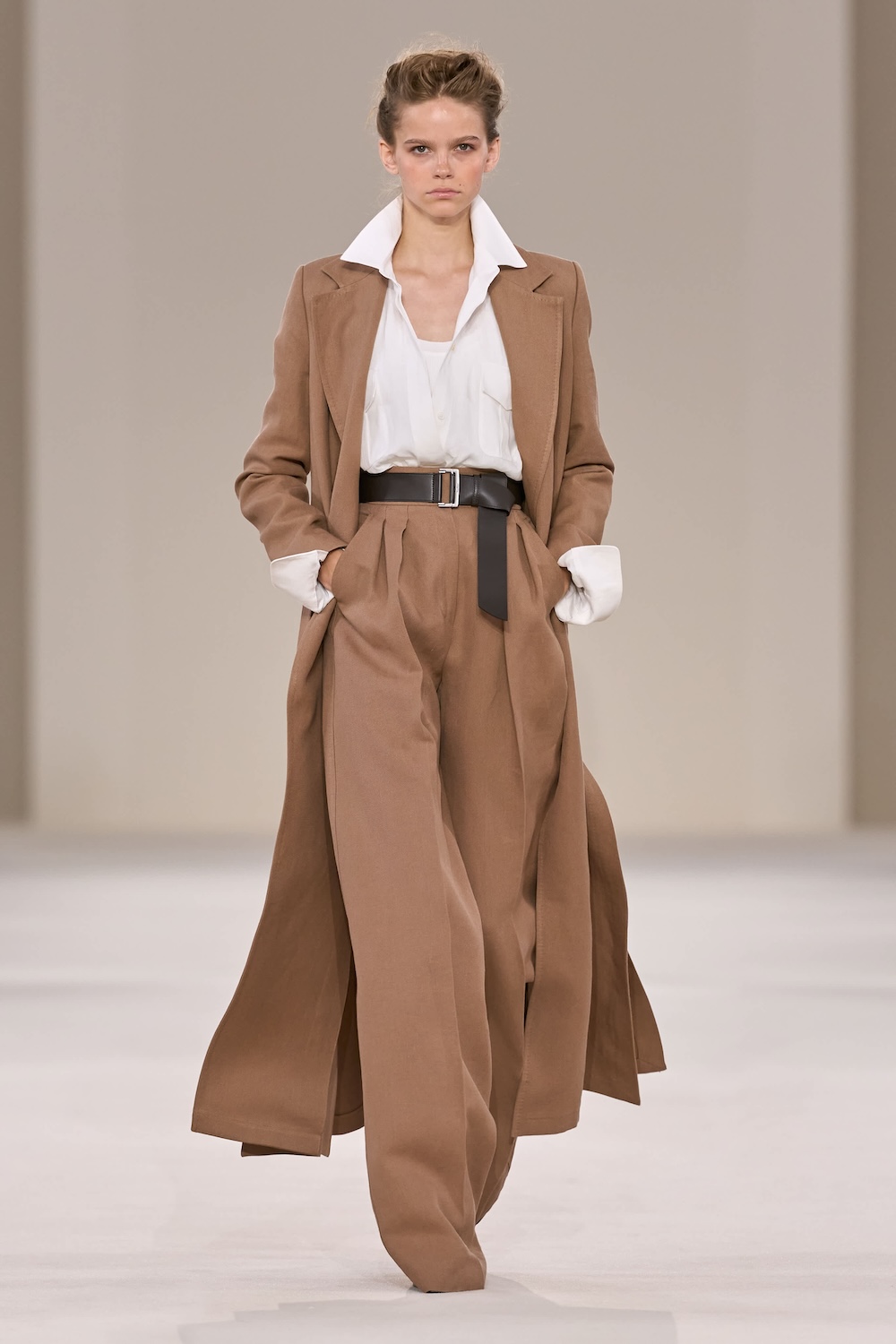
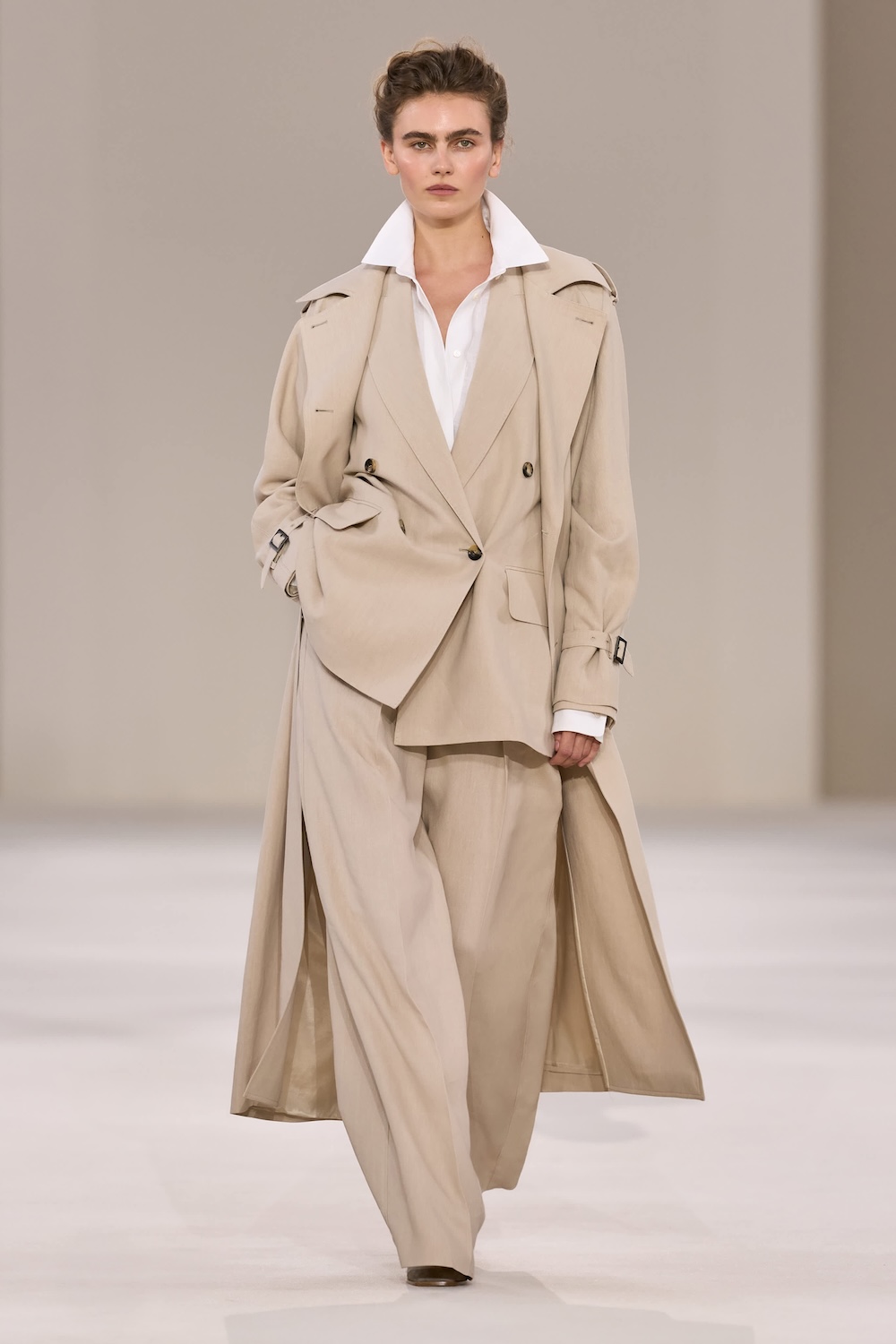
It seems clear that a Max Mara woman has places to be. For Spring/Summer 2027, apparently some of those places involve safari jackets, aviator details and enough pockets to make carrying a handbag almost optional (wait for us, we are coming.)
Titled Far Horizon, the collection looks back to the extraordinary women who spent the 1930s going considerably further than society expected them to. Explorer Freya Stark, wildlife photographer Osa Johnson, cross-continental driver Eva Dickson, and aviators Amelia Earhart and Beryl Markham form the rather formidable cast behind the season.
Max Mara isn't attempting to dress us for a literal expedition, though. Instead, it takes the confidence and practicality of those women's wardrobes and brings them into a considerably more familiar kind of chaos: work, traffic, school runs, evenings out and all the places we're somehow expected to get to in between.
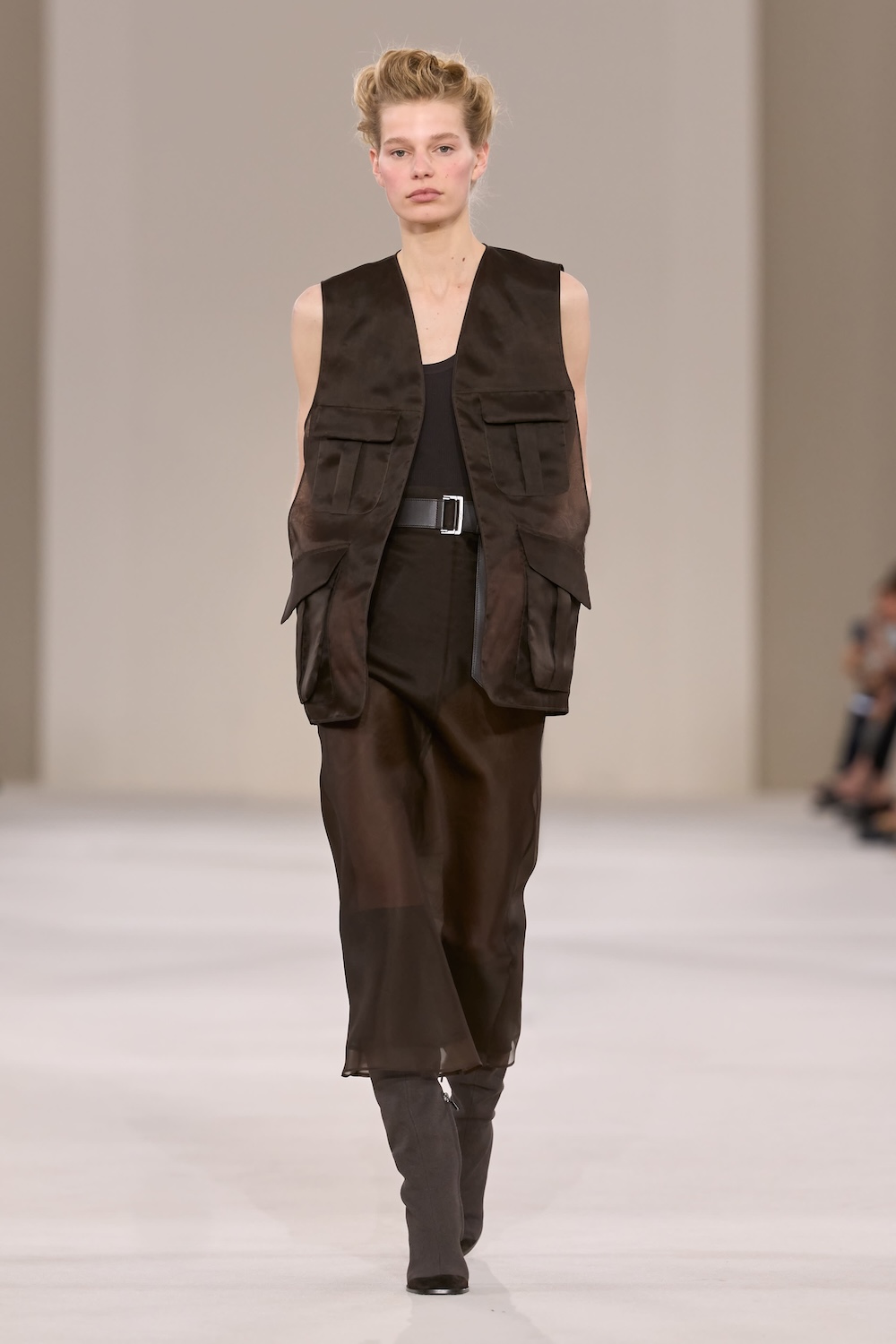
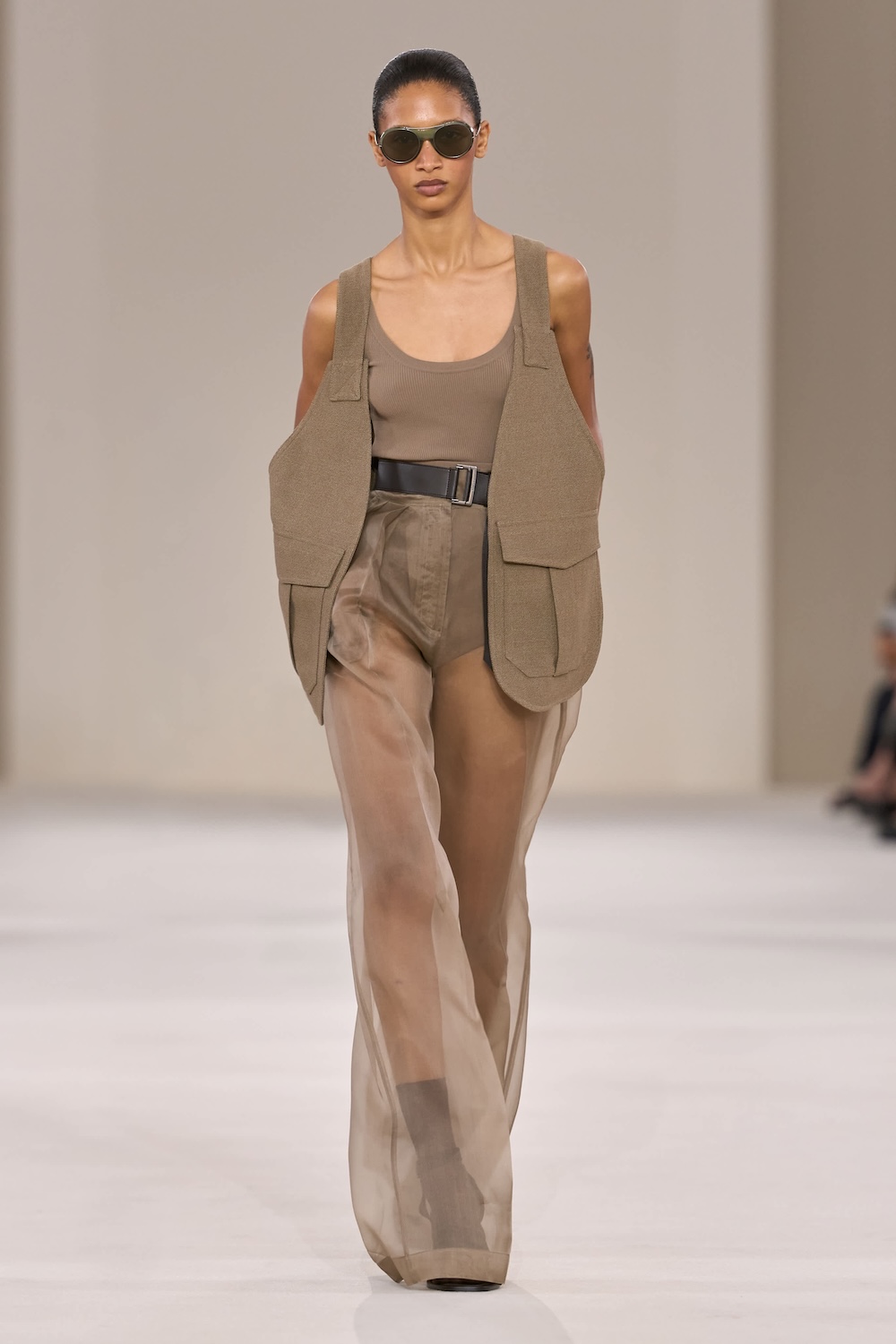
Naturally, the safari jacket sits at the centre of the collection. Rendered in textured linen and glossy gabardine, it appears draped and knotted at the side or elongated into a loose duster coat. The utilitarian foundations remain, but the result is much more glamorous than anything we'd necessarily want to wear while actually trekking through the bush.
That tension between practical and polished runs through Far Horizon. Camiknickers become shorts, skirts are long and fluid, and slinky knits bring softness to all that expedition-ready structure. The clothes feel ready for action, just preferably with very good shoes.
Max Mara describes part of the collection as “corporate armor,” which feels fairly accurate for anyone who has ever entered a Monday morning meeting with a blazer doing most of the emotional heavy lifting.
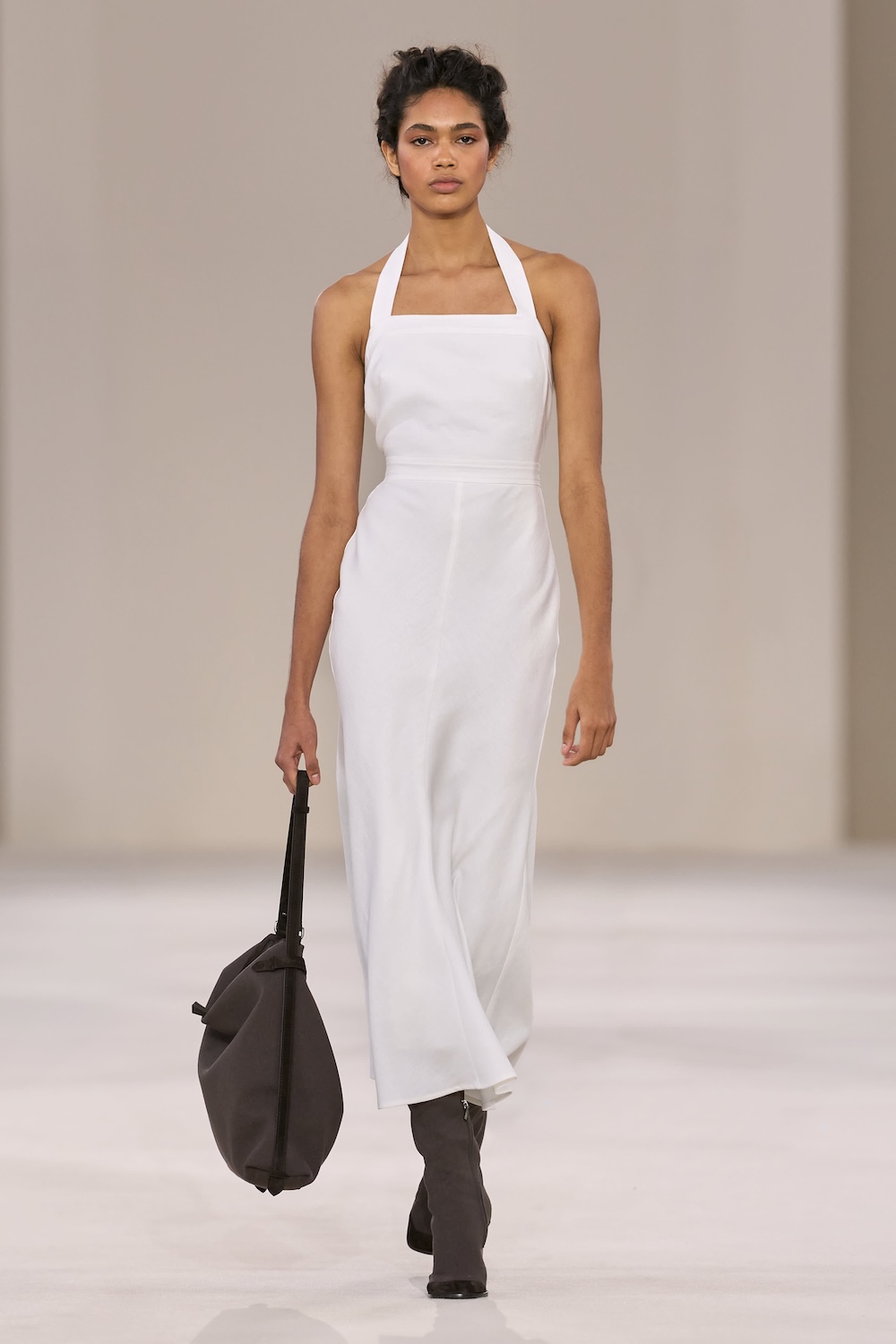
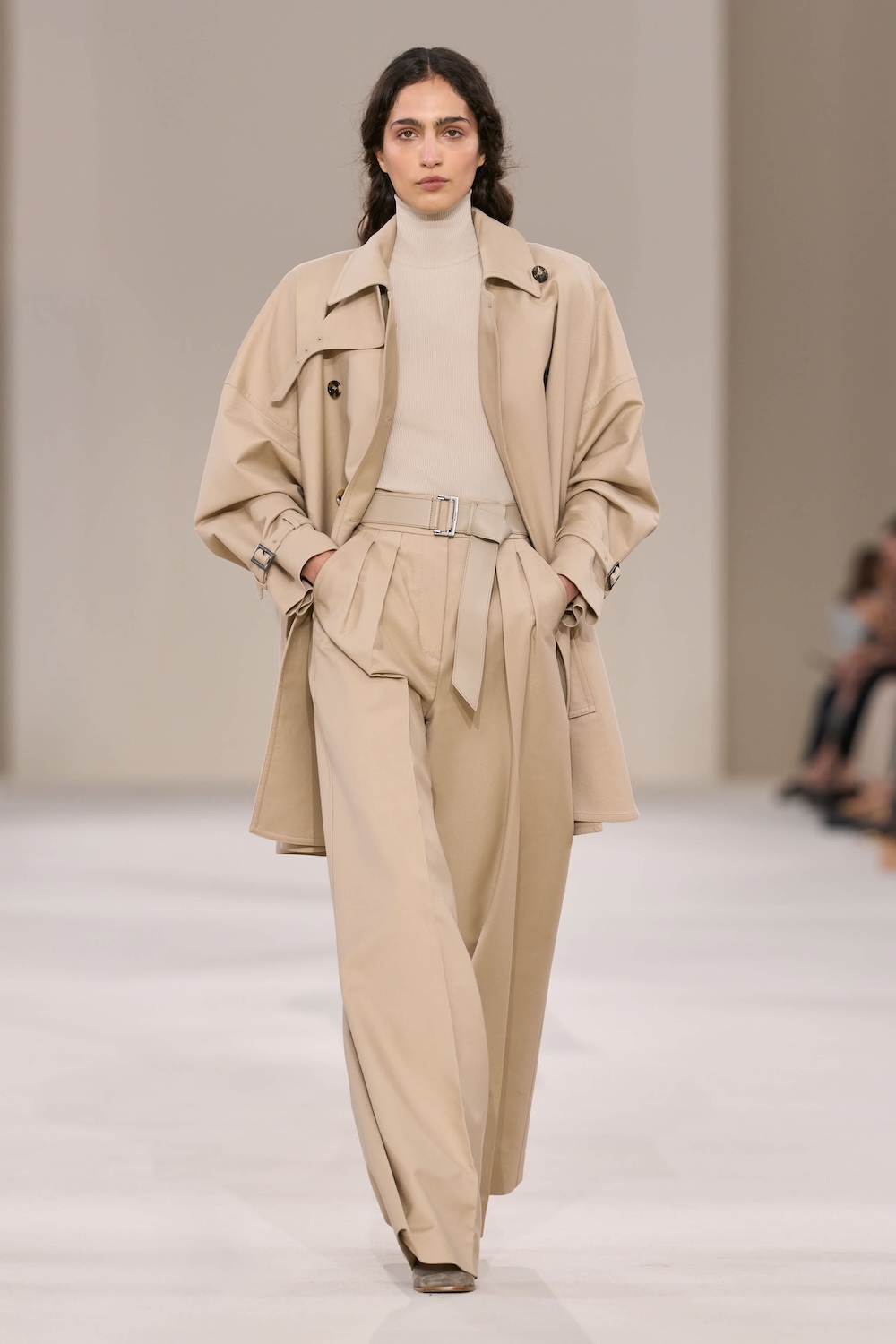
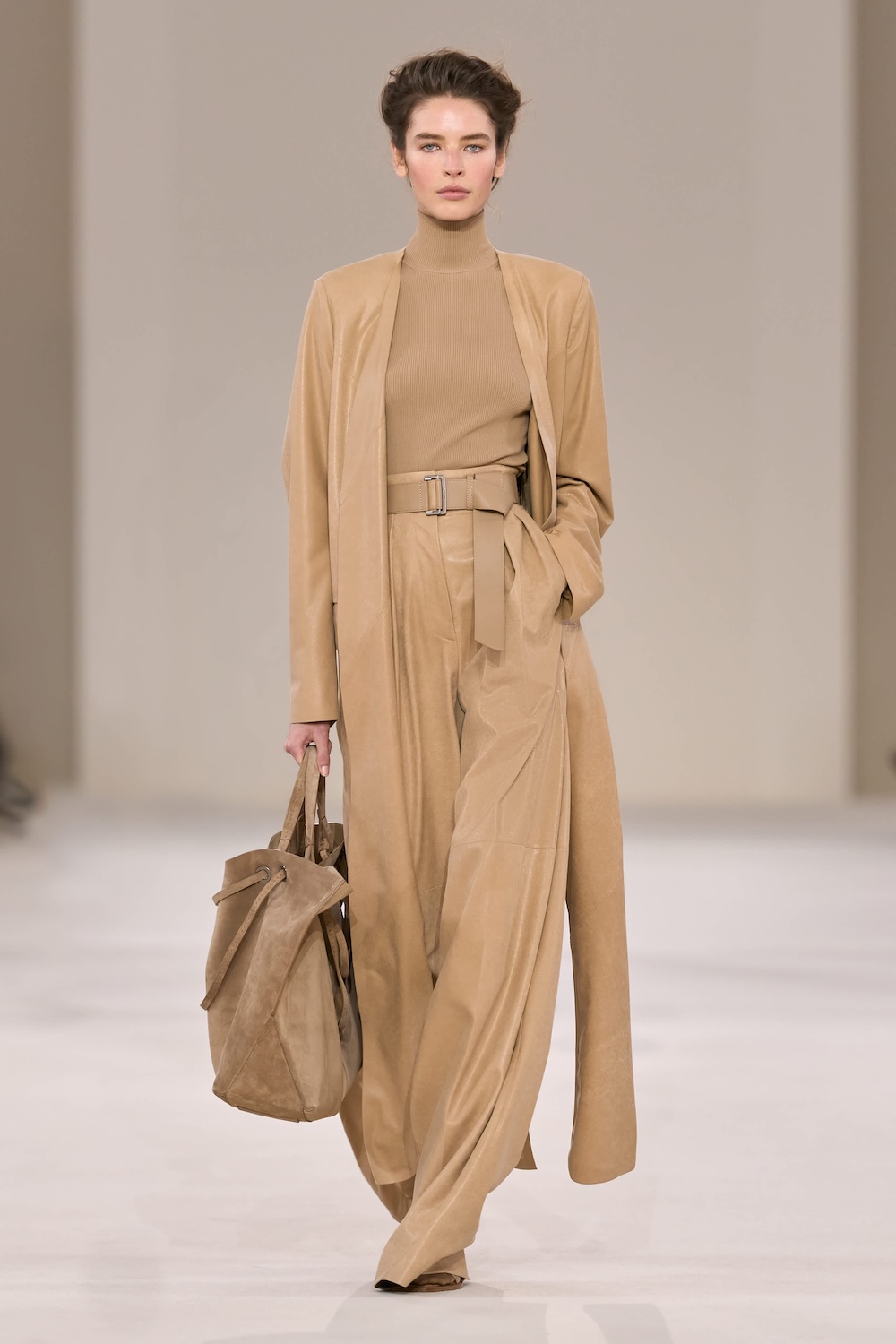
Here, tailoring gets a more tactical treatment. Cargo vests are cut in exactly the same fabric as the jackets beneath them, transforming pockets and utility details into part of the suit itself. Aviator jackets come fitted with leather straps and D-rings, while voluminous trenches sit low on the waist for a slouchier take on one of the house's most familiar territories.
Even overalls appear in organza, which might be one of our favourite contradictions in the collection. Something designed for work, recreated in a fabric that couldn't feel further from a uniform.
We also loved the multi-bags.Designed to move from cross-body to clutch to rucksack, they make sense in a collection preoccupied with women who are constantly going somewhere. And perhaps that's where Max Mara's historical references work best. The collection doesn't treat its female explorers as costume inspiration. Their wardrobes become a starting point for thinking about how women dress when their lives demand that they move continuously between different roles. The modern expedition might be considerably less romantic, but it still requires preparation.
Max Mara itself puts it rather perfectly: today's endurance test is less likely to involve crossing a desert and more likely to be “the school run, the cross-town rush hour, or the pivot from boardroom showdown to equally high-stakes gala.”
It's a funny image, but also a surprisingly accurate one. The women behind Far Horizon crossed continents, flew planes and travelled into places few women of their generation had been permitted, or expected, to go. Max Mara takes something from that attitude rather than simply borrowing their aesthetic.
More on MaxMara.com


.jpg)

.png)