Kahhal 1871 Is Taking Egyptian Craftsmanship to the World Stage Through Football Culture
The 2026 FIFA World Cup has just started and brands across the world are looking for ways to enter the conversation; but few are doing it quite like Kahhal 1871.
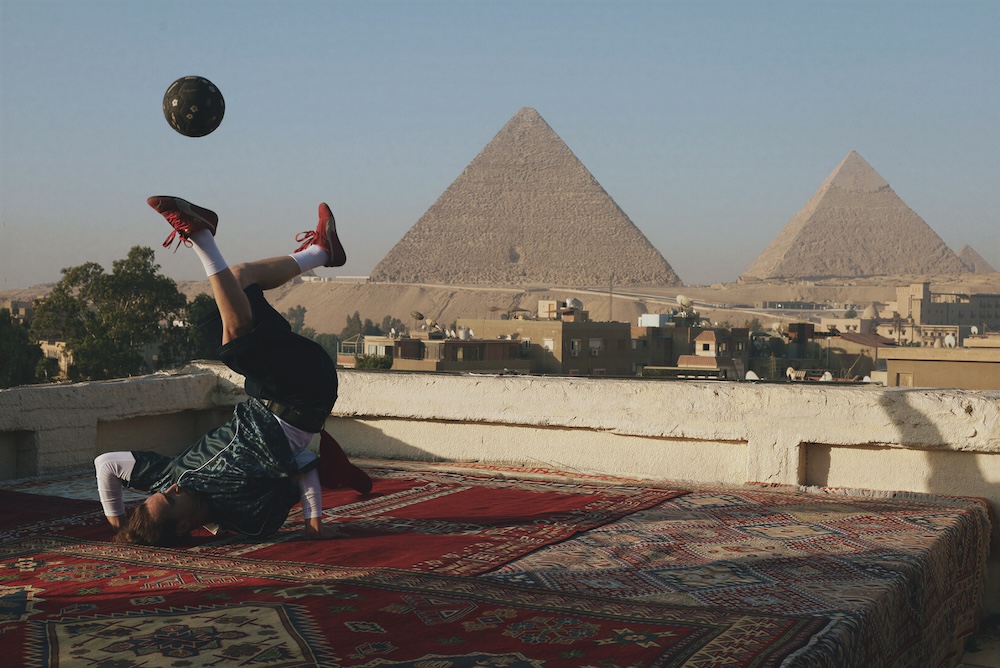
Egypt's oldest handcrafted rug house has never been a brand interested in following the expected path. Instead of athletes, sponsorship deals, or football merchandise, Kahhal 1871 has chosen to explore what football represents culturally: creativity, discipline, identity, and self-expression. The result is Woven for the World Stage, a campaign that places handcrafted Egyptian rugs at the centre of freestyle football culture, creating a dialogue between two practices built on years of dedication and mastery.
And we love that this campaign refuses to treat heritage as something static.
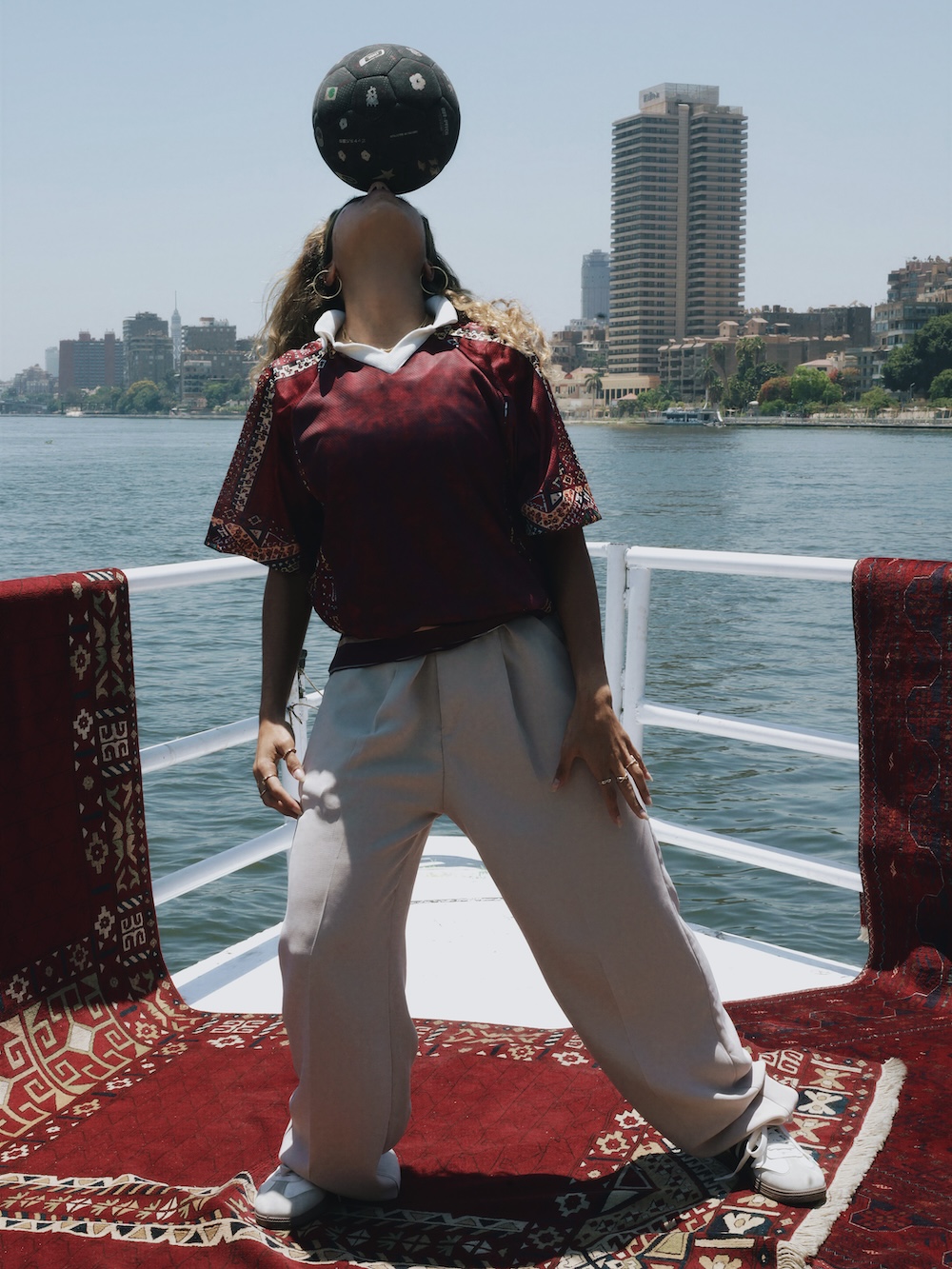
For many heritage brands, the temptation is to look backwards. Kahhal 1871 has taken the opposite approach, asking how a 150-year-old craft can remain relevant by engaging with the culture being created today. Through a series of films and photographs featuring male and female freestyle footballers, the campaign positions craftsmanship within contemporary youth culture, allowing tradition and modernity to coexist rather than compete.
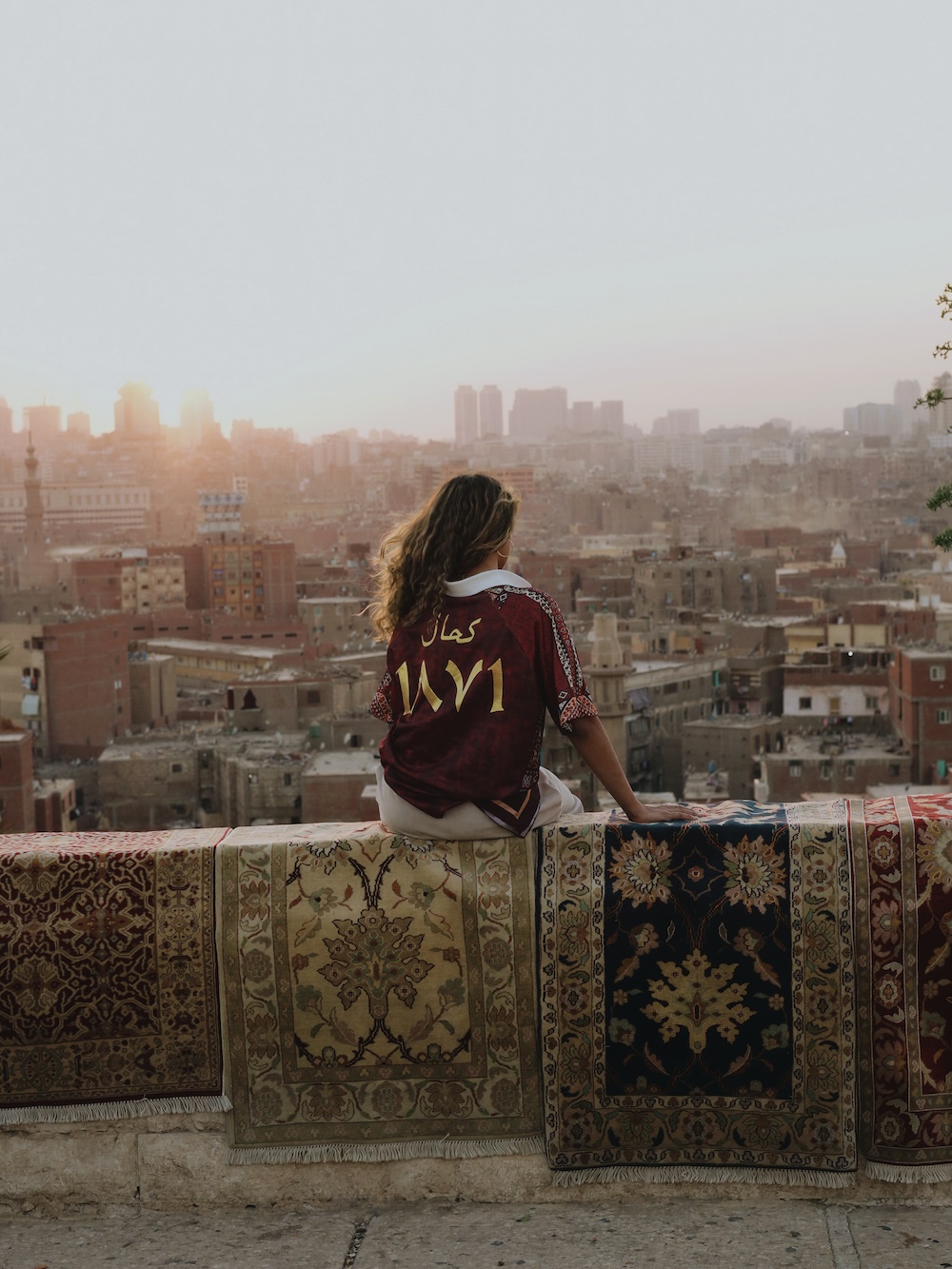
The imagery unfolds across some of Egypt's most recognisable settings. Footballers perform on Kahhal rugs laid across Cairo's streets, aboard feluccas sailing the Nile, and against the backdrop of Al-Muizz Street and Khan El Khalili. Throughout every scene, movement surrounds the rug while the rug itself remains constant, becoming a symbol of continuity, skill and cultural memory.
There is something particularly interesting about the choice of freestyle football rather than the professional game. Unlike traditional football, freestyle is intensely personal. It is about individuality, technique and creative expression. In many ways, it mirrors craftsmanship itself.
Each movement is refined through repetition. Each performance is the result of years of practice. The parallels with rug making become surprisingly natural.
"We're not interested in preserving heritage by freezing it in time," says Mohamed El Kahhal. "The way you keep heritage alive is by allowing it to evolve. The products themselves haven't changed. The craftsmanship hasn't changed. What changes is the context."
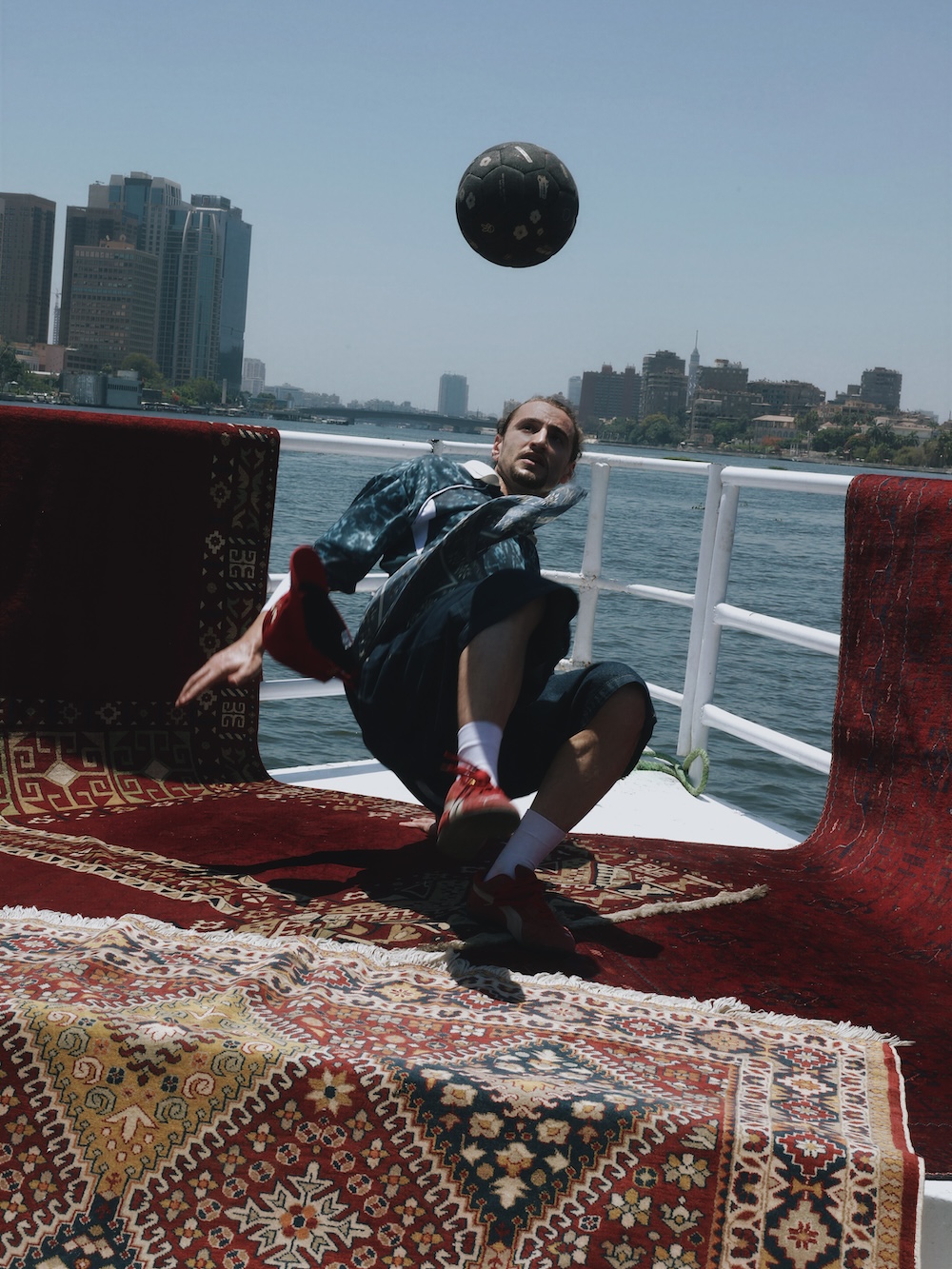
That philosophy feels increasingly relevant today. Across fashion, design and culture, some of the most exciting conversations are taking place around how traditional practices can engage with contemporary audiences without losing their authenticity. Rather than diluting heritage, projects like Woven for the World Stage demonstrate how culture remains alive when it is allowed to participate in the present.
The campaign also builds on a wider vision that has become central to Kahhal 1871's recent evolution. Last year, the brand introduced itself to a younger audience through skateboarding culture. This season, football becomes the lens through which it explores community, movement and global connection. Both initiatives share a common thread: placing craftsmanship in environments where audiences might least expect to find it.
At the heart of the project is the idea of the rug as a stage. Removed from private interiors and placed into public space, these handcrafted pieces become active participants in the story rather than decorative objects. They carry history, labour and artistry into new cultural contexts, inviting audiences to see them differently.
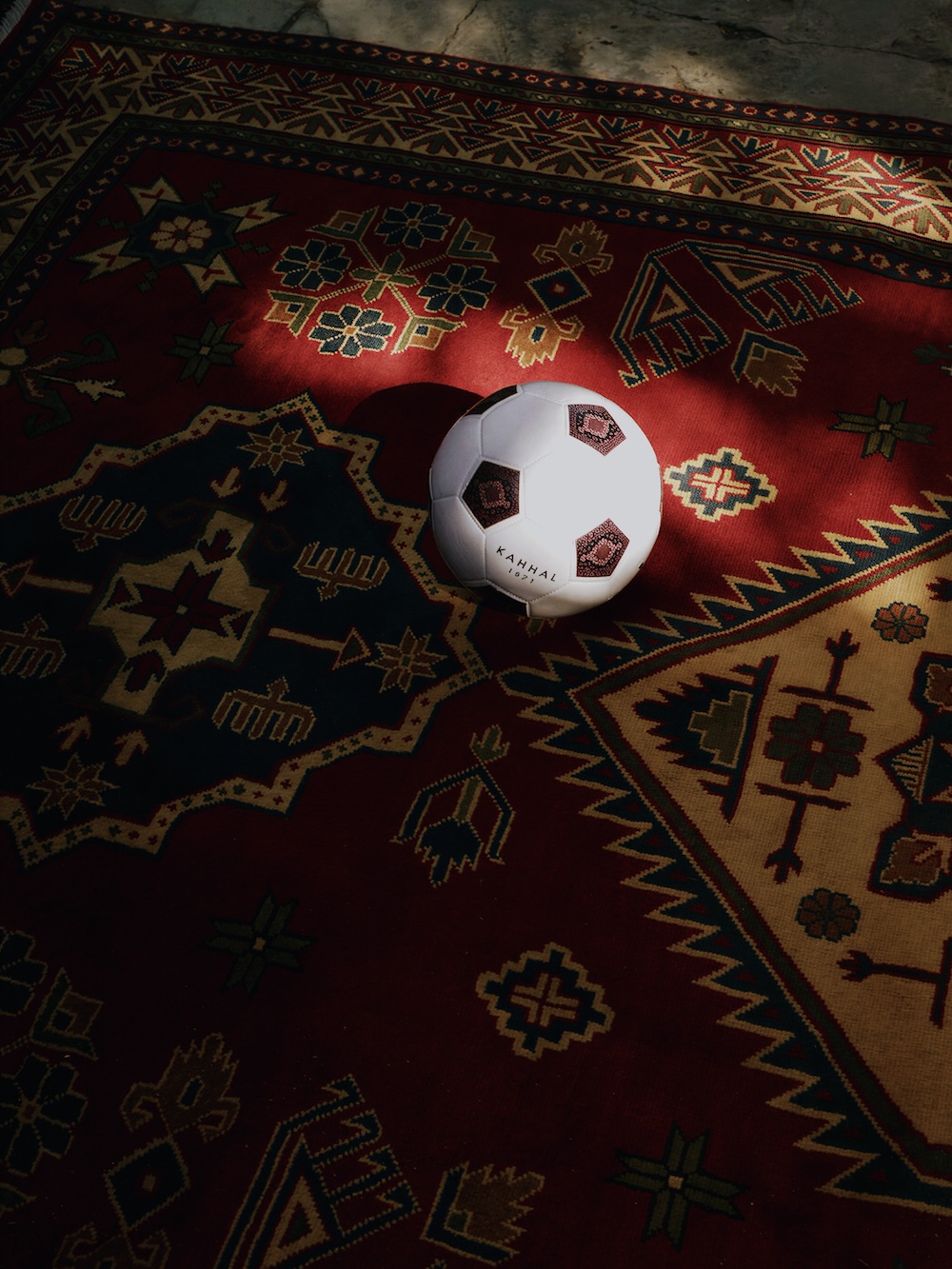
As football takes centre stage globally until July 19th, Kahhal 1871 reminds us that mastery exists in many forms. Some performances happen on the pitch and others are woven by hand, passed between generations, and continuously reimagined for the future.
More on Kahhal1871.com

.png)