Bottega Veneta Finds Freedom in Lightness for Summer 2027
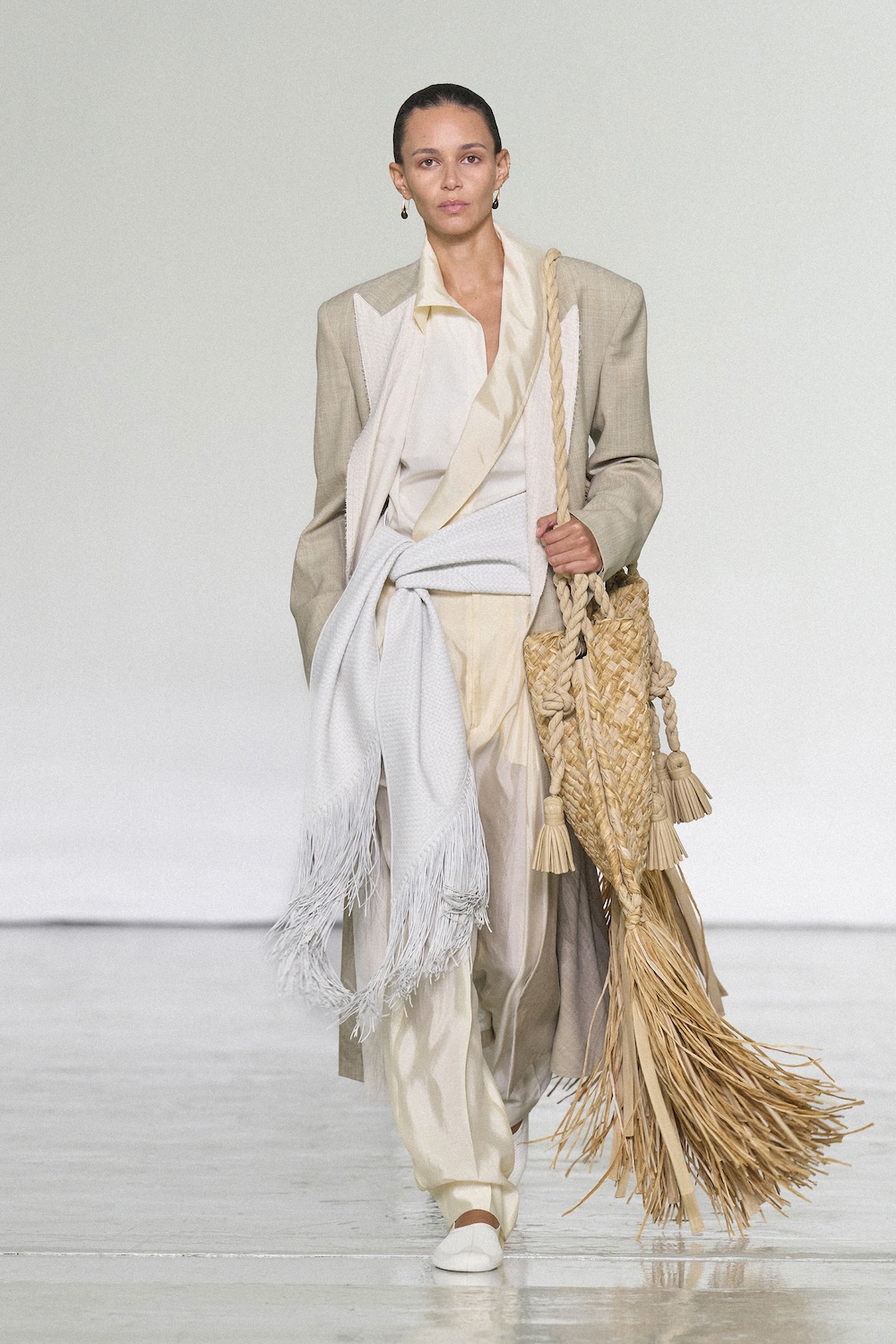
For summer, Louise Trotter is shedding a few layers at Bottega Veneta. The changing seasons in Milan provided the starting point for the house's Summer 2027 collection, specifically that transition from spring into summer when the city, the light and the way people dress begin to shift.
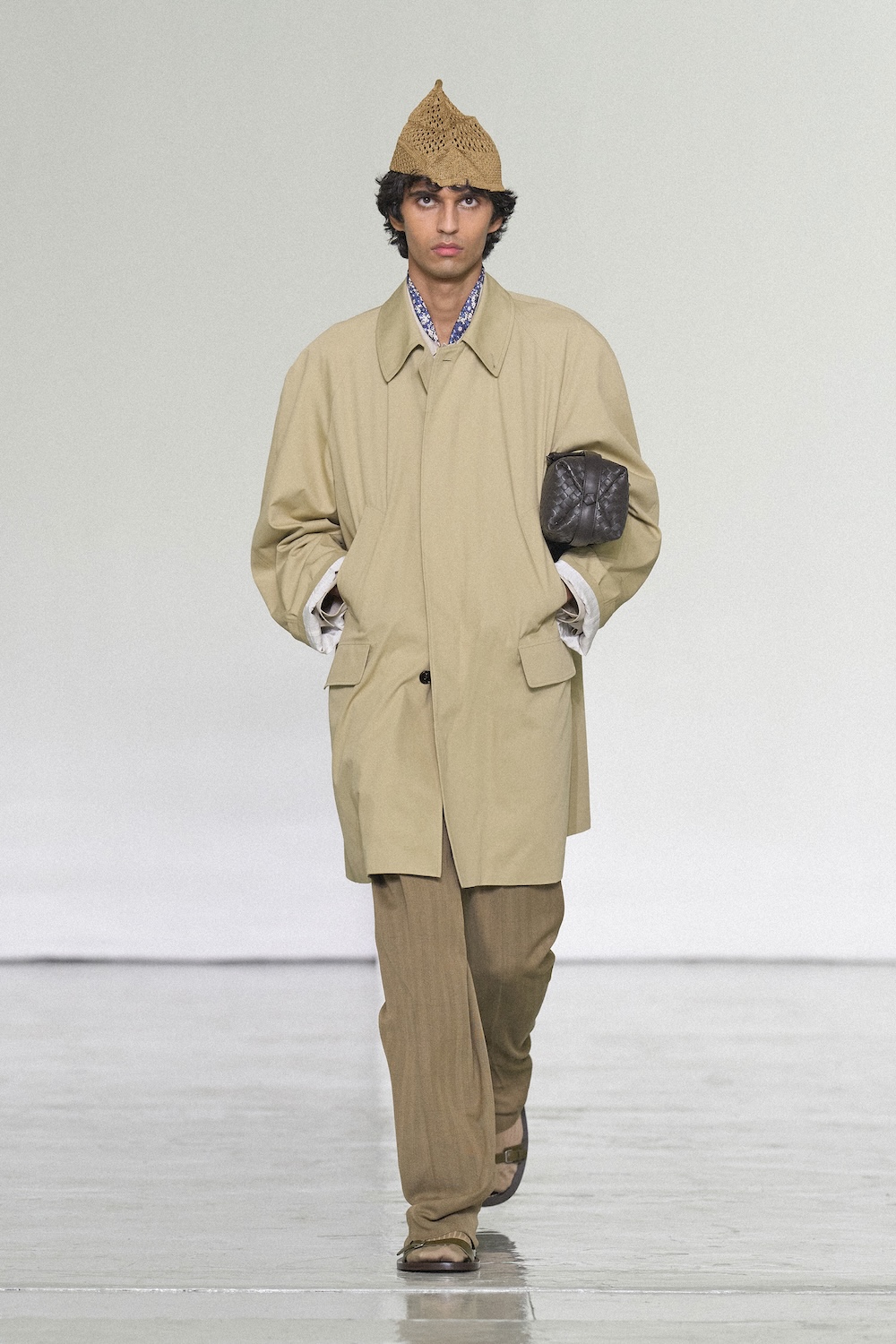
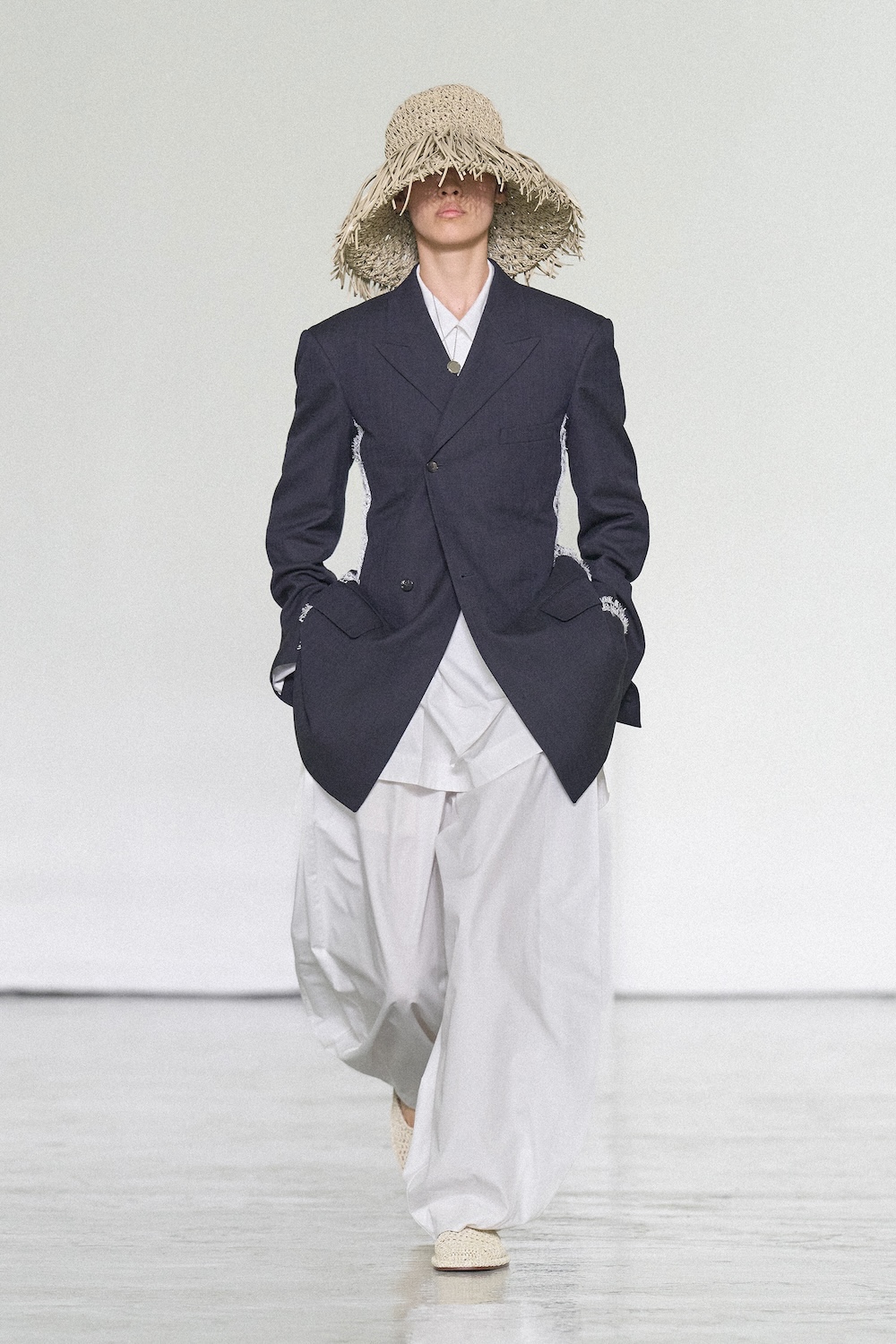
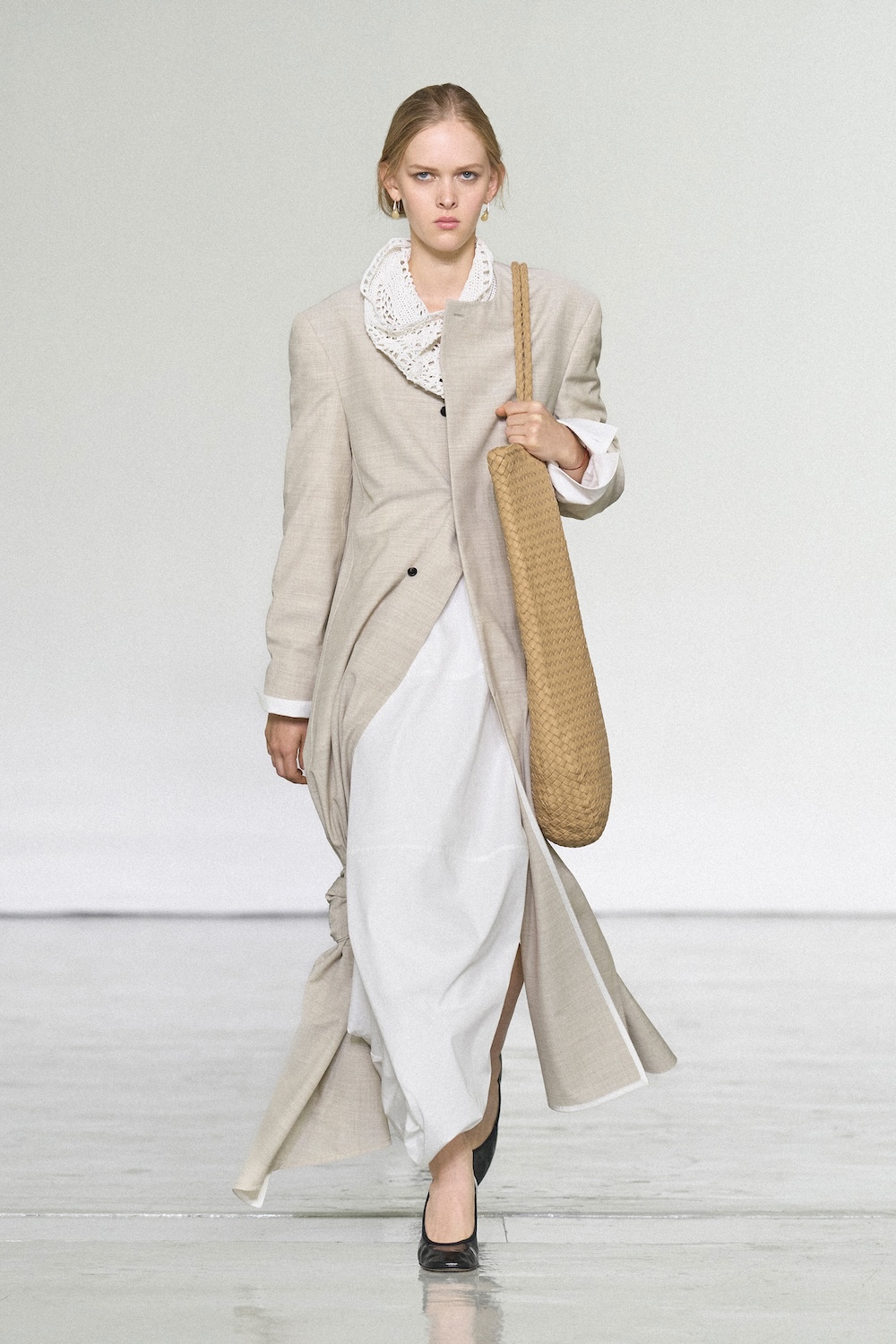
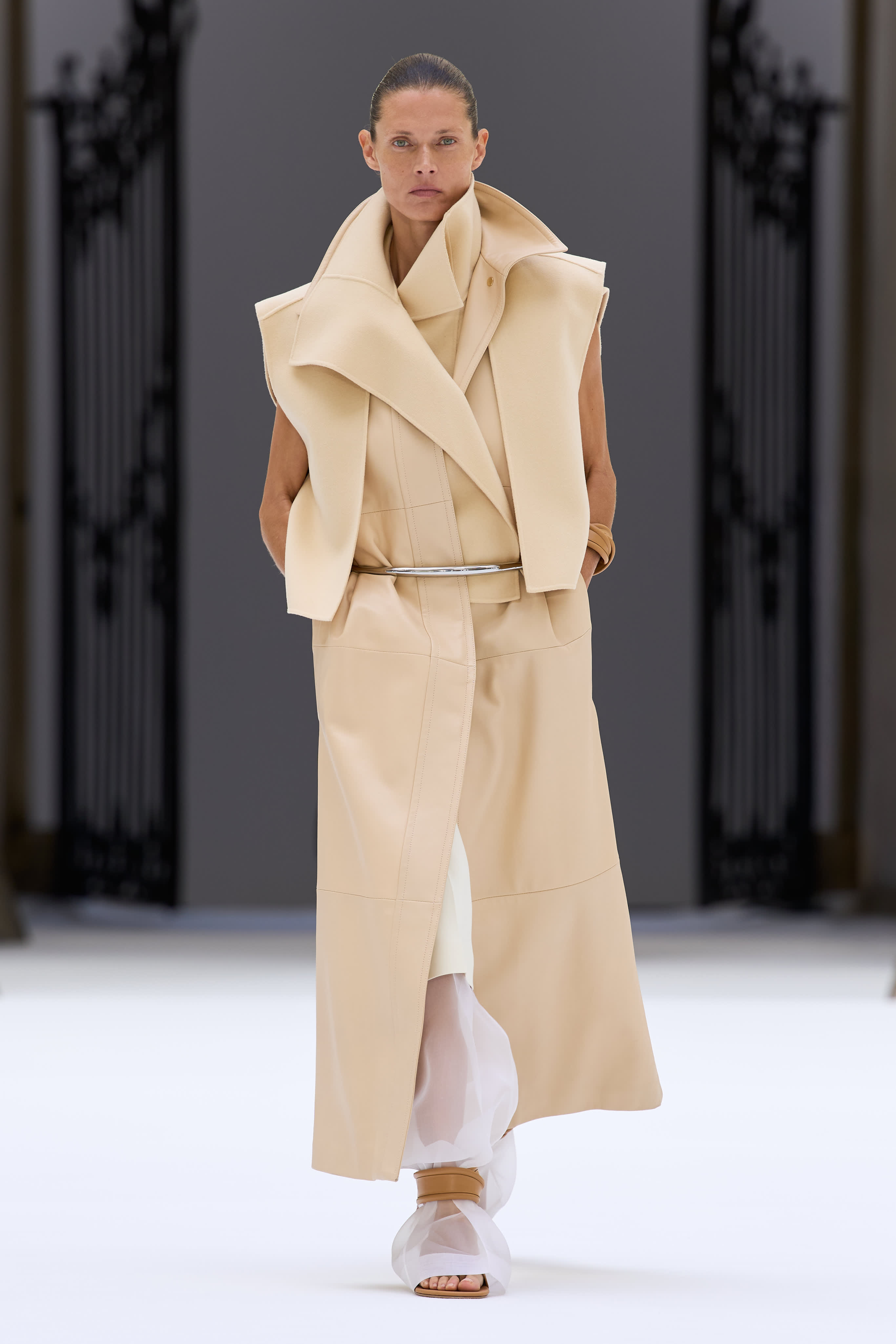
Trotter translated that feeling into clothes that put greater distance between fabric and body, allowing tailoring to relax, leather to become lighter and familiar definitions of masculine and feminine dress to become less rigid.
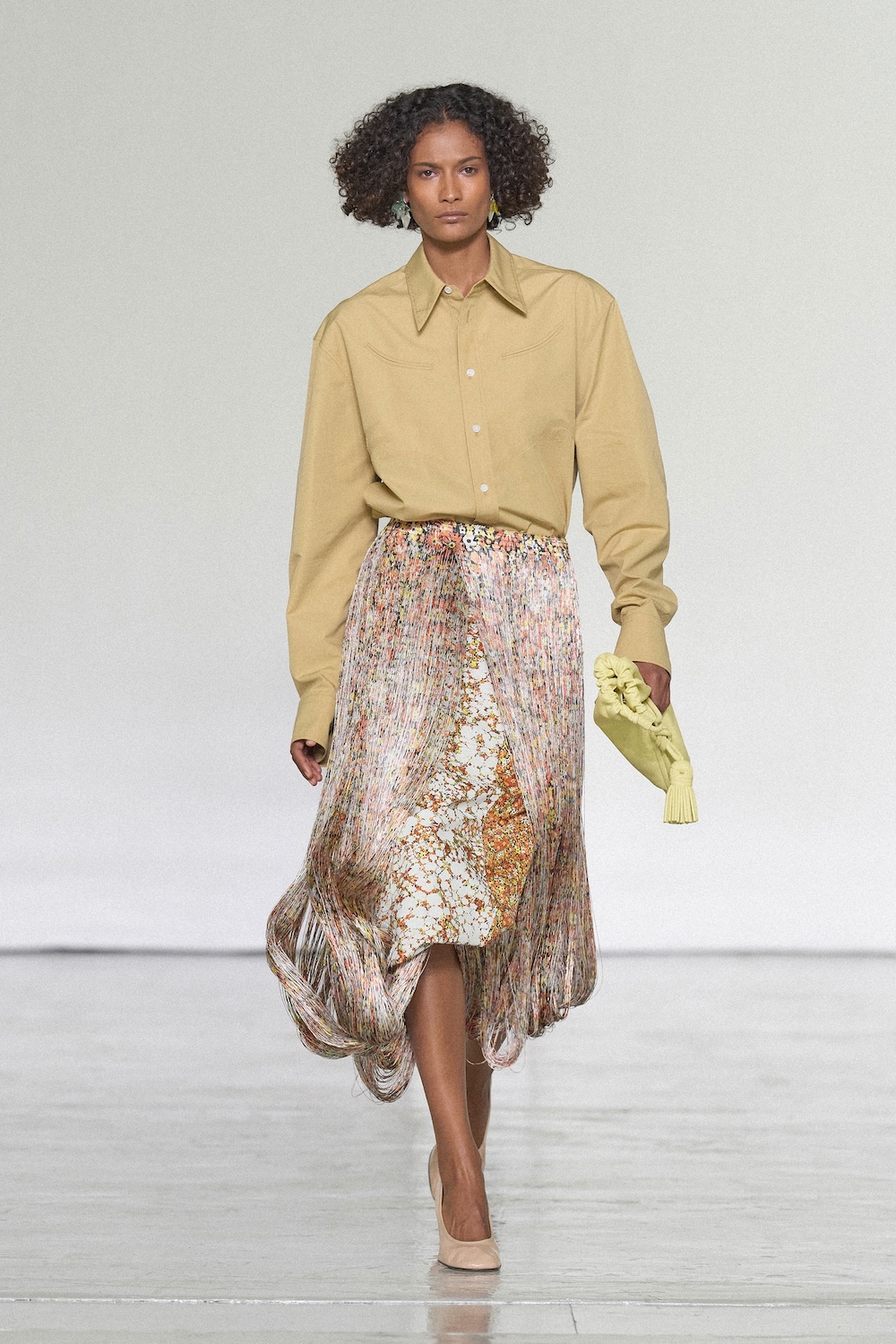
It made for a compelling proposition at a house where material and construction carry considerable weight. Rather than abandoning that substance, Trotter appeared interested in seeing just how light she could make it feel.
Leather, naturally, remained central, but was treated with an unexpected delicacy. Tailoring retained its precision while losing some of its formality, and clothes were designed with enough space around the body to move. The idea was freedom rather than exposure, with the collection notes describing the process as a “physical and mental de-robing.”
Craft remained equally important, particularly when viewed up close. Trotter leaned into the traces of the hand, including its imperfections, while treating the house's signature Intrecciato as more than a technique. Weaving became the wider metaphor of the collection, bringing together materials, disciplines, gestures and collaborators. That idea carried directly into the show environment.
The space was kept largely neutral and deliberately airy, with guests seated on artist Illya Goldman Gubin's resin-coated Karton Hocker. Each stool began as a cardboard box that the artist physically embraced and crumpled into shape. Its interlocking flaps offered a subtle visual connection to Bottega Veneta's woven leather, turning an everyday material into something individual through touch.
Even the invitations carried evidence of the hand. Posters depicting the stools were individually held and crinkled by Goldman Gubin or Bottega Veneta employees, making no two exactly alike.

Sound was another layer of the experience. German artist Florian Hecker created a site-specific work from 20 suspended structures pairing loudspeakers with stainless-steel reflectors, producing a composition designed never to be repeated in exactly the same way. British artist Mark Leckey, meanwhile, created the runway soundtrack by weaving together genres and eras spanning the Sixties through the Nineties.
Against all that conceptual thinking came one particularly charming detail: a handcrafted leather flower placed on every seat. Tulips, peonies and lilies introduced small bursts of color into the otherwise pared-back setting, another demonstration of the house's ability to make leather behave in ways leather isn't necessarily expected to.
There is an appealing confidence in Trotter's decision to lighten Bottega Veneta rather than overload it. The house's signatures remain recognizable, but she appears increasingly comfortable allowing them to breathe, and allowing the person wearing them some room as well.
The collection notes put the proposition more succinctly: “to wear less, but feel more.” For a house built on the pleasures of material, that's an interesting direction to take.
More on BottegaVeneta.com

.png)