When 'Inshallah' Became A Way Of Life: The Generation of Adaptive Survival
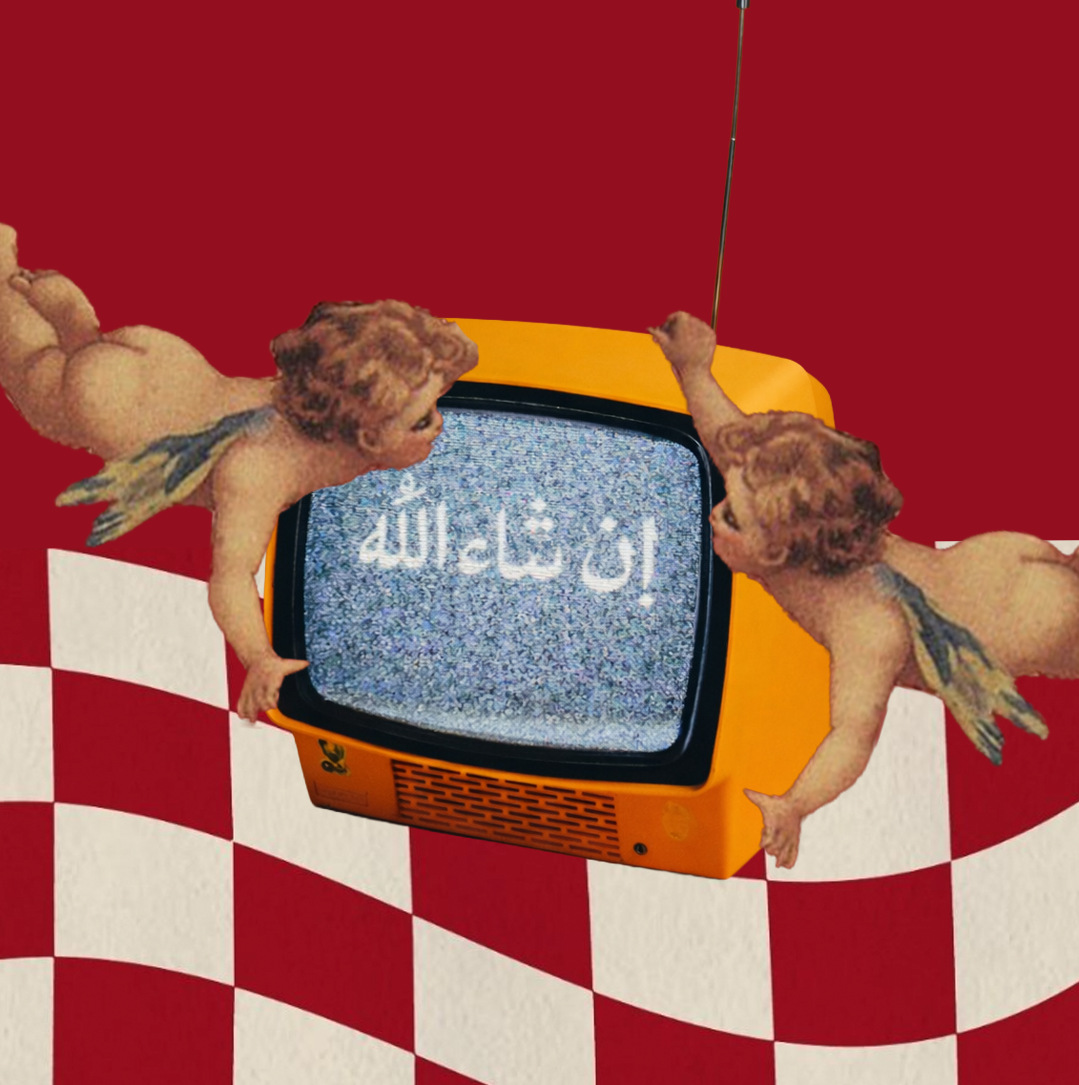
For decades, the narrative surrounding youth in the region has been framed through resilience. It is a word often repeated by outsiders —sometimes admiringly, sometimes carelessly — to describe a generation that has grown up amid instability.
But resilience suggests endurance, the ability to withstand pressure without breaking. What it does not fully capture is something more subtle that has emerged among young people across the region: the insidious skill of adaptive survival.
Across the region today, uncertainty is not an abstract concept. It is something that appears in headlines, in conversations, in the background hum of everyday life. Missiles cross airspace, cities wake to news alerts. In Lebanon, war has once again returned to the foreground. Across the Gulf, missile threats periodically remind residents how fragile stability can feel.

For many young people, these realities do not always translate into dramatic upheaval, but into something quieter: a constant recalibration of expectations.
Rather than imagining life in long, predictable arcs, the future is often negotiated month by month, opportunity by opportunity. Plans are made with a certain flexibility built into them. Careers shift. Moves between cities happen quickly. Entire creative communities appear almost spontaneously in response to changing conditions - something us Arabs are particularly good at.
What might appear as instability from the outside is, for many, simply the rhythm of life. A forced-upon rhythm of life with 'Inshallah' as a tag line; nothing we ever wished for.
The ability to pivot quickly has become second nature. Languages shift mid-sentence. Friend groups stretch across continents and identities expand rather than settle. Belonging becomes something portable rather than tied to a single geography.
Take JDEED: born in 2017, we’ve already gone through more crises than most businesses endure in their entire existence. In 2019 came the Thawra — a breeze of hope for our generation, but one whose consequences were difficult to navigate. Then 2020 brought Covid and the Beirut port explosion. There’s no need to paint a picture of how this affected our very young business, and to be completely honest, we’re still not entirely sure how we made it out the other side. After barely two years trying to get back on our feet, October 2023 hit our entire region again, with Israel’s initiating its genocide on Gaza. And now in 2026 — well, you already know.
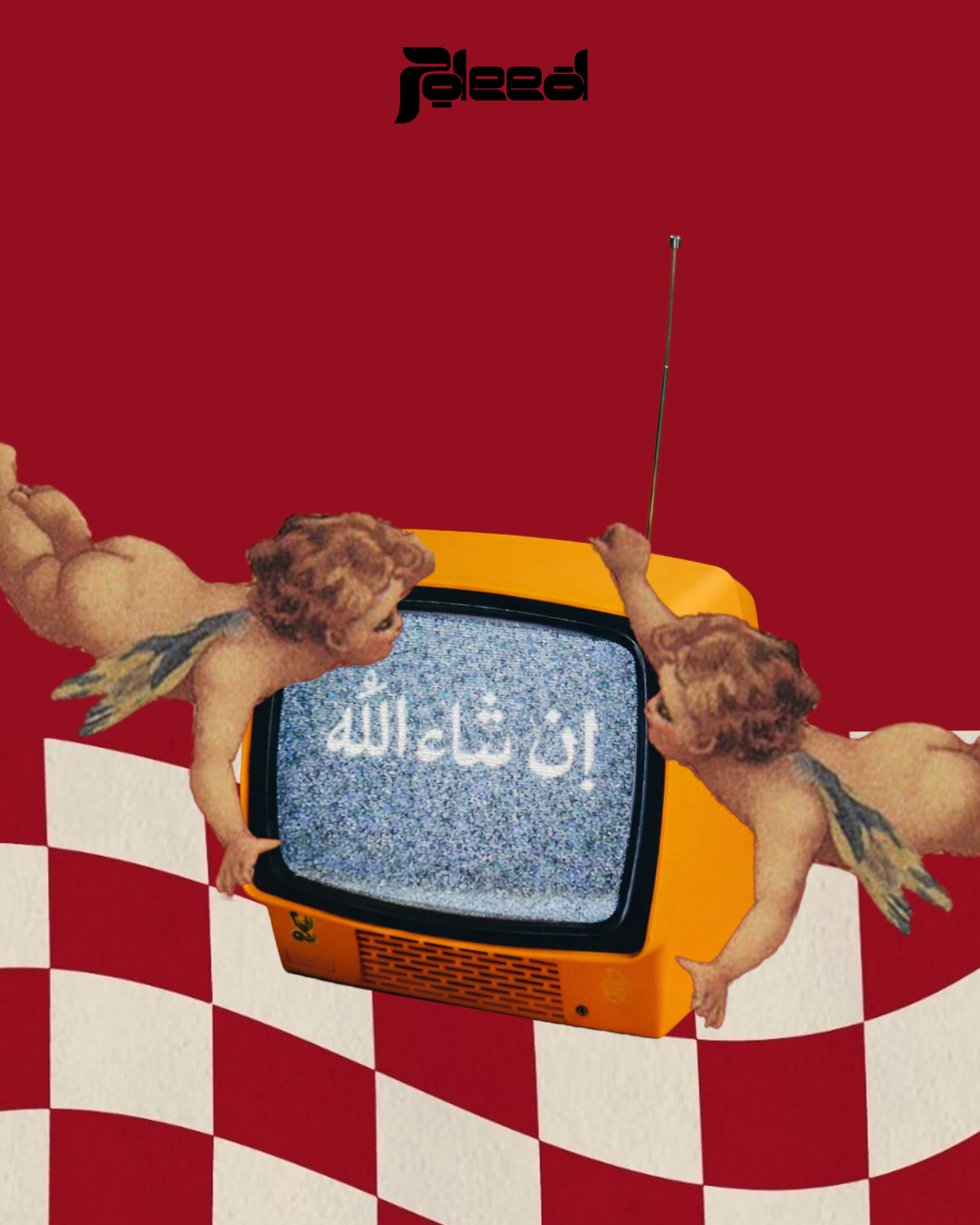
This adaptability, however, carries a heavy weight. Living in a state of adjustment requires constant emotional recalibration; the ability to rebuild, restart, and continue moving forward even as the ground beneath you shifts. Psychologists often describe anxiety as a response not only to danger itself but to the uncertainty of potential future threats, a state in which the mind remains alert to what might happen next. Under such conditions, the future rarely stretches very far ahead. Sometimes it reaches only the next hour, if even that.
And yet, this same instability has also produced a remarkable cultural inventiveness. Across the region, young artists, designers, filmmakers, and entrepreneurs continue to build new cultural languages in real time, drawing simultaneously from global influences and deeply local realities - because what other choice do we have?
Perhaps the defining trait of this generation is not resilience after all, but adaptability. Not the ability to endure the same circumstances indefinitely, but the capacity to transform alongside them.
In a region where the future can change overnight, survival has become less about standing firm and more about learning how to move.
.jpeg)

.png)