
Valentino SS27 Starts With a Lebanese Author and 30,000 Unread Books
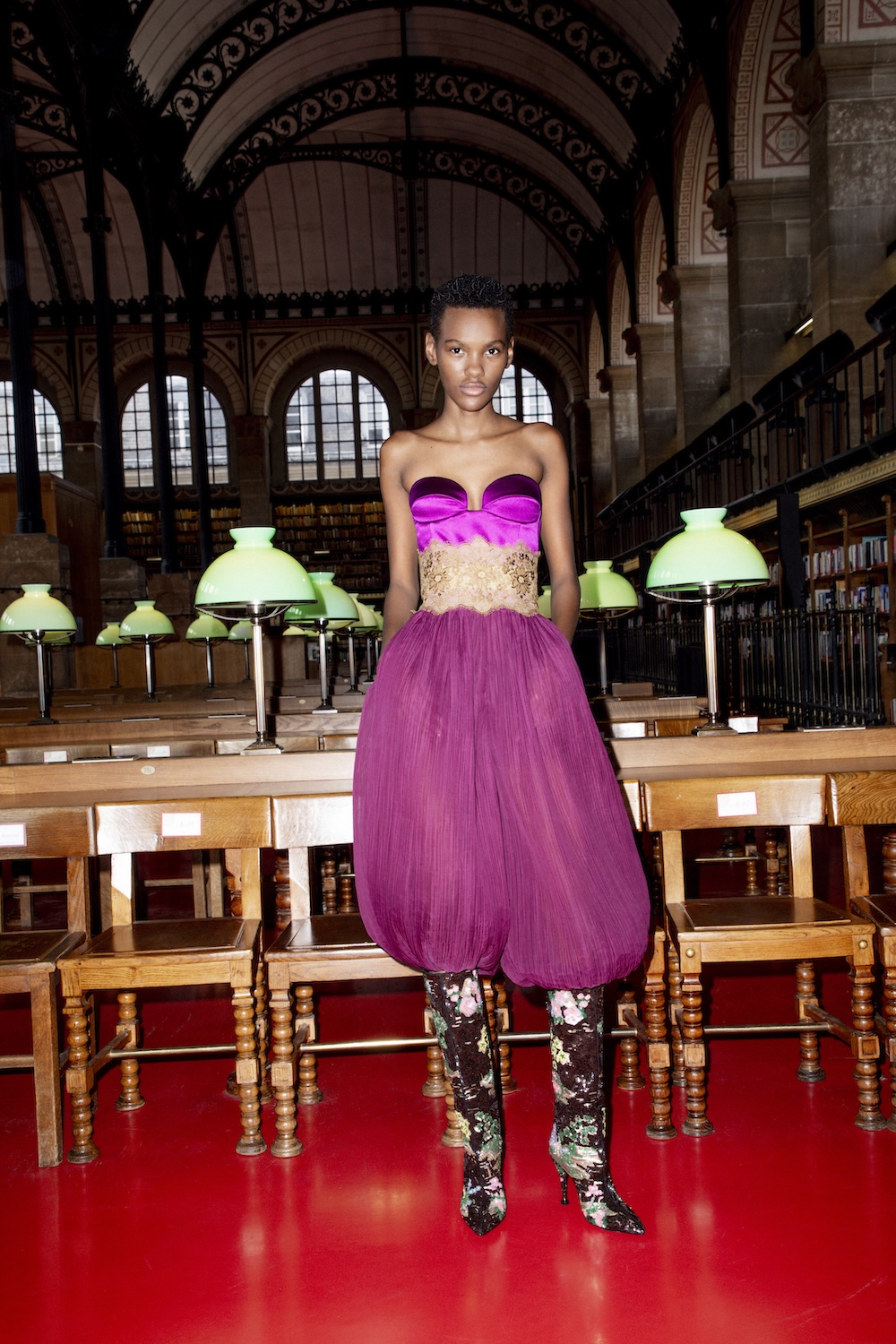
Trust Alessandro Michele to begin a Valentino collection with 30,000 books. For Valentino Spring/Summer 2027, Michele found his starting point in Lebanese-born author and thinker Nassim Nicholas Taleb, specifically a passage from The Black Swan about the extraordinary personal library of Italian writer Umberto Eco. Taleb, who was born in Lebanon and has spoken extensively about his Lebanese upbringing, uses Eco’s library to introduce an idea he calls the “antilibrary.”
Eco reportedly owned around 30,000 books. Inevitably, visitors would look at the shelves and ask how many he had actually read. For Taleb, they were asking the wrong question. The books Eco hadn't read were arguably the most interesting ones because they represented everything he didn't yet know, all the ideas and discoveries still waiting for him.
Michele read that and thought about clothes. And suddenly, the piles of beautiful things sitting unworn in our wardrobes have a philosophical justification.
Michele's connection between an unread book and an unworn dress is actually quite lovely. Every season, hundreds of garments appear on runway; some will be bought and worn repeatedly while others will exist mainly in photographs. Some will enter collections and wardrobes only to be preserved almost like relics; and plenty of the extraordinary pieces we see during fashion month will never come anywhere near our own closets.
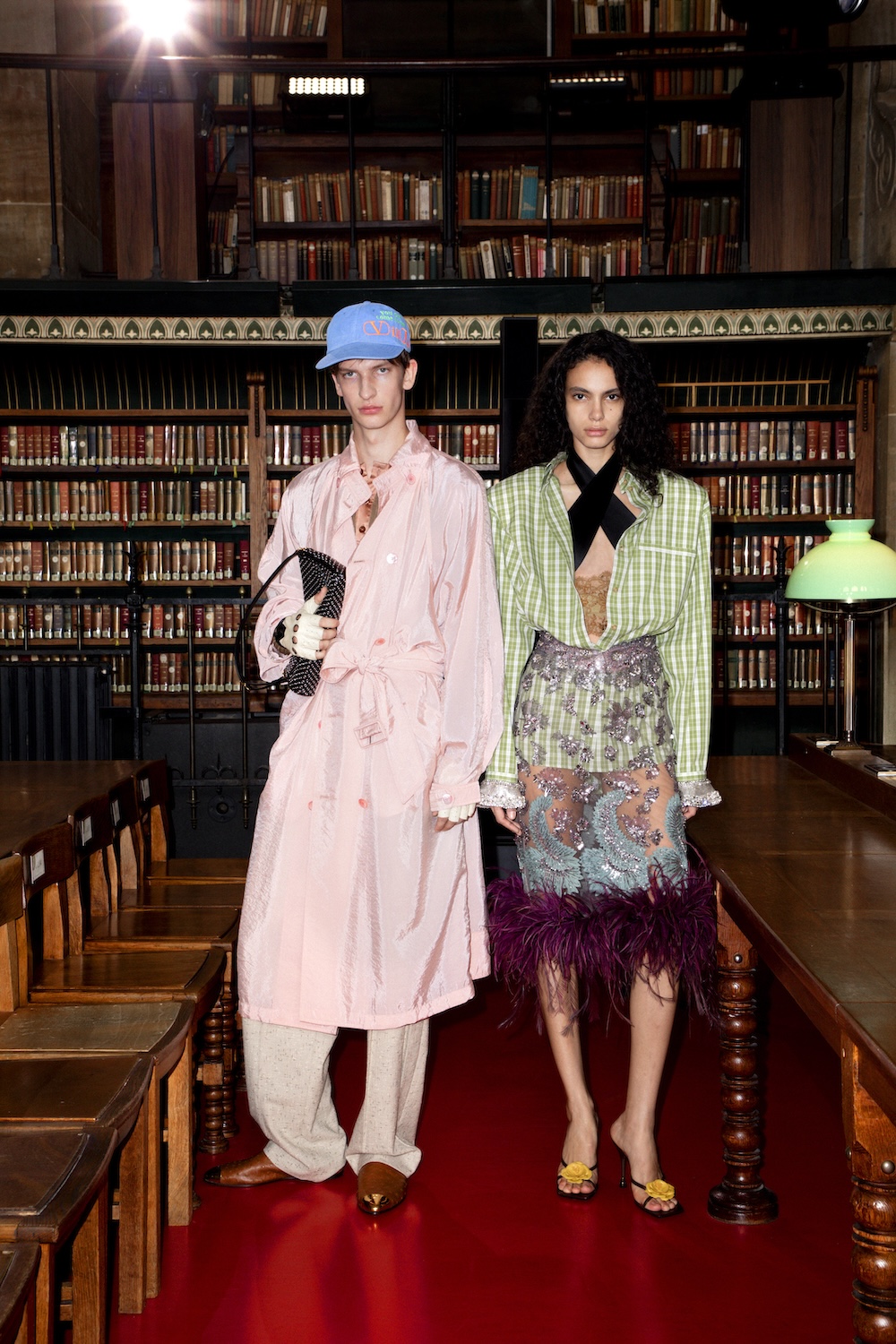
Does that make them pointless? Michele doesn't think so. He compares them to the unread books in Eco's library: objects whose value isn't entirely dependent on whether we eventually “use” them. A garment can still change how we think about beauty, the body, proportion or identity without ever touching our skin.
For Michele, these clothes form “a joyful reservoir of forms, aesthetic sensibilities, silhouettes, and ways of inhabiting the body.”
We like that idea, particularly because fashion has become slightly obsessed with proving its usefulness. Everything needs to be an investment, everything should be versatile. We calculate cost per wear and praise pieces that can apparently take us from breakfast to boardroom to dinner. Sometimes, though, you just want the completely impractical dress.
Michele takes Taleb's idea even further by connecting it to the Japanese practice of tsundoku, the habit of buying books and allowing them to accumulate unread.
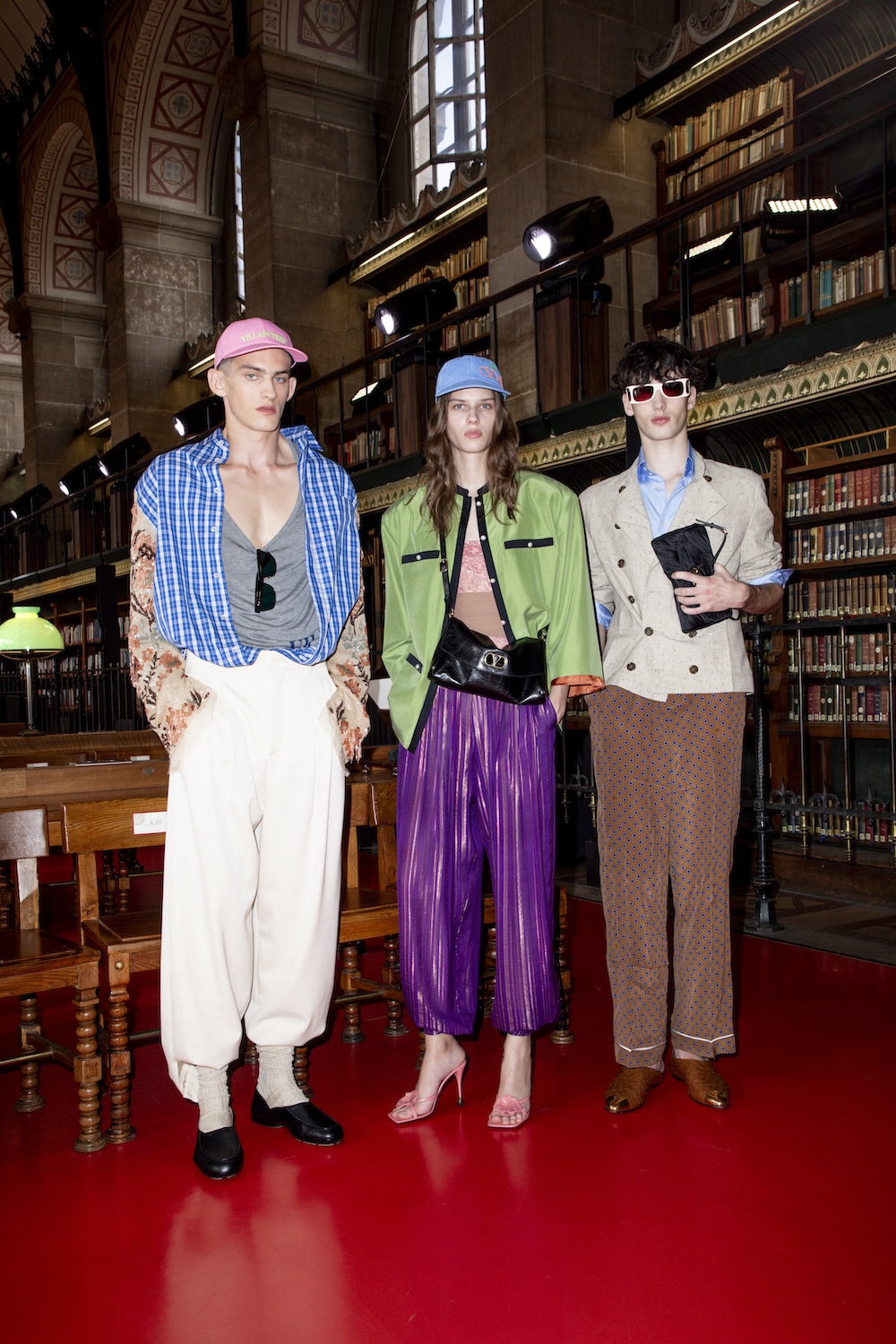
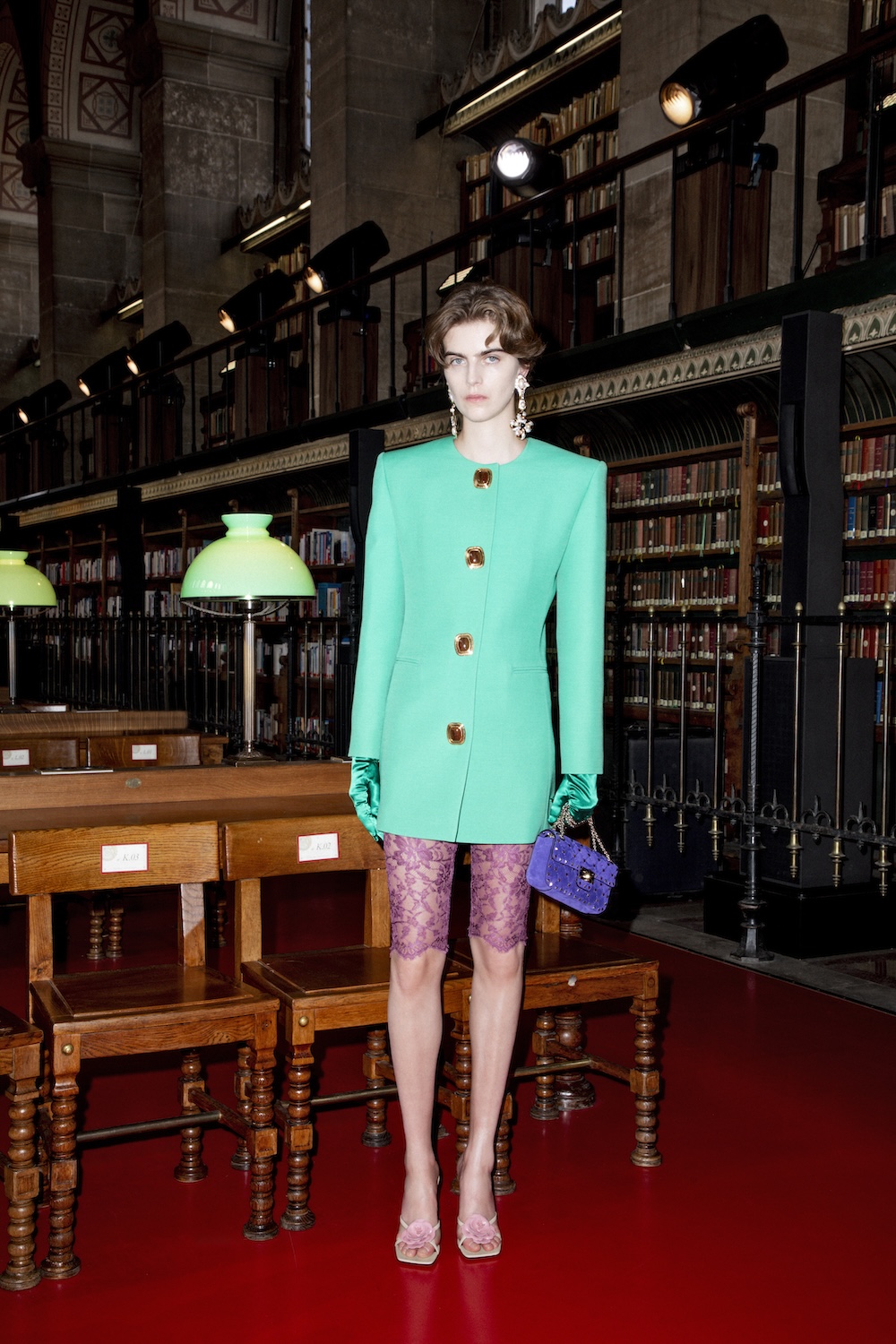
Instead of treating those books as evidence of procrastination, he sees them as possibilities. Each unopened cover contains a world you haven't entered yet.
For SS27, the runway becomes the fashion equivalent. Michele describes the show as a “visual antilibrary,” an archive filled with possibilities that don't necessarily need to become reality to have meaning. A silhouette can remain an image. A dress can stay a fantasy. A look can make you imagine a completely different version of yourself for 30 seconds and still have done something worthwhile.
It feels very Michele. His approach to fashion has always thrived on accumulation, references, memory and the pleasure of putting seemingly distant worlds next to one another. Here, however, all that excess is given a surprisingly emotional argument.
Anyone who really loves fashion knows this feeling: you see a look come down the runway and want it immediately, despite having absolutely nowhere to wear it. You save the photograph anyway. You zoom in, imagine the party, the city, the apartment, perhaps even the personality that would accompany it. The fantasy might last a minute but Michele thinks that minute matters: “Even the garments that we will never wear, no differently than those books sitting unopened on our shelves, still speak to us of the lives we could have lived,” he writes.
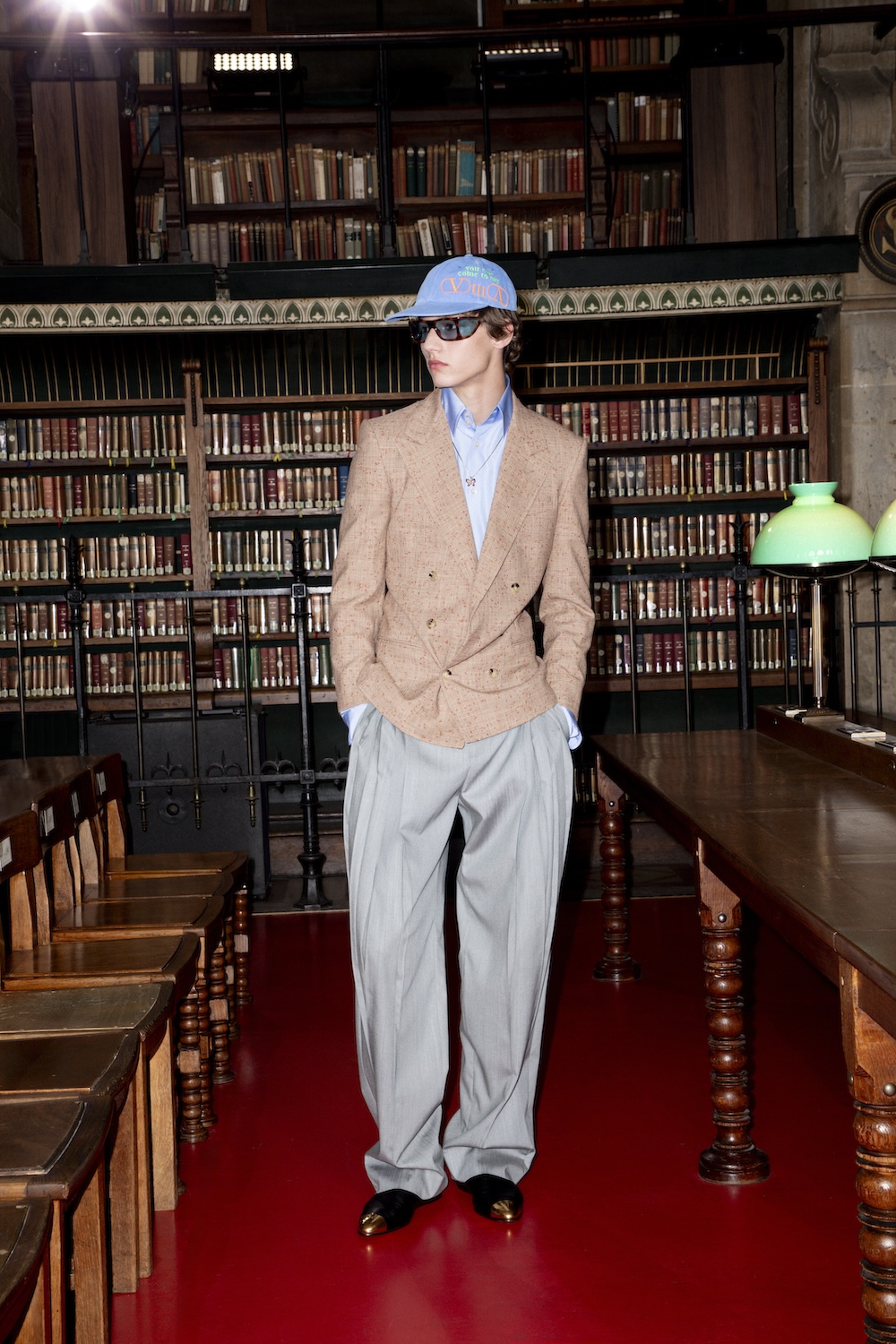
And then comes the line that really stays with us: “Not as regrets, but as promises.”
It is probably the most JDEED way we can think about this collection. Fashion doesn't always need to solve a problem, no. Its entire purpose is to make the world in your head a little bigger - just like when we were kids imagining a whole video clip in our head while listening to Britney Spears.
Valentino didn't leave the literary reference at the level of a show note: guests were asked to bring a book with them, either new or from their own libraries. The books collected around the show will be distributed to selected public libraries in Paris and other cities through Bibliothèques Sans Frontières and Fauvettes City Club.
And somewhere between a Lebanese author's idea, Umberto Eco's 30,000 books and Alessandro Michele's Valentino, SS27 becomes a reminder of why we fell in love with fashion in the first place: not everything beautiful needs to be practical and not every dress needs an occasion...Sometimes imagining it is already part of the pleasure.
More on Valentino.com


.png)