Between the Oasis and the Archive: Mohammad Alfaraj × Latifa AlBokhari on Photography as Cultural Memory in Al Ahsa
%20copy.jpg)
Al Ahsa is often described as an oasis, a place of water, agriculture, and generosity rising from the desert. But for photographers Mohammad Alfaraj and Latifa AlBokhari, it is also a place shaped by time’s quiet pressure, by rituals that soften, traditions that thin, and moments that vanish almost as soon as they appear.
Mohammad describes the emotional atmosphere of the region as one shaped by an awareness of impermanence. “By default, you have that feeling that everything is slowly fading or going away,” he says. “And the people celebrate everything fully because they understand that.” He calls it a kind of “joyful morbidity,” where joy and loss are not opposites but companions, where “the funerals are as celebratory and communal as the weddings.”
Latifa’s connection to Al Ahsa is rooted in return rather than constant presence. Growing up, she visited frequently with her family, forming what she calls “some of my favorite core memories.” What stayed with her was not only the landscape, but the way people inhabit it. “The nature of Hassawi people molded the way I see and interact with others,” she says, recalling elders telling stories and poems, and being surrounded by farms, water, and family. “It makes you appreciate everything around you, and see a story in everything and everyone there.”
Words/Soraya Durand
Artist, Witness, Archivist
Both photographers resist being defined by a single role. Latifa sees her practice as existing somewhere between presence and preservation. “I feel like I am a little bit of all three,” she says. “I’m witnessing so many changes around me, where traditions and rituals I grew up with are fading away, and as a photographer I’m documenting them fully aware that those will be archives for the future.”
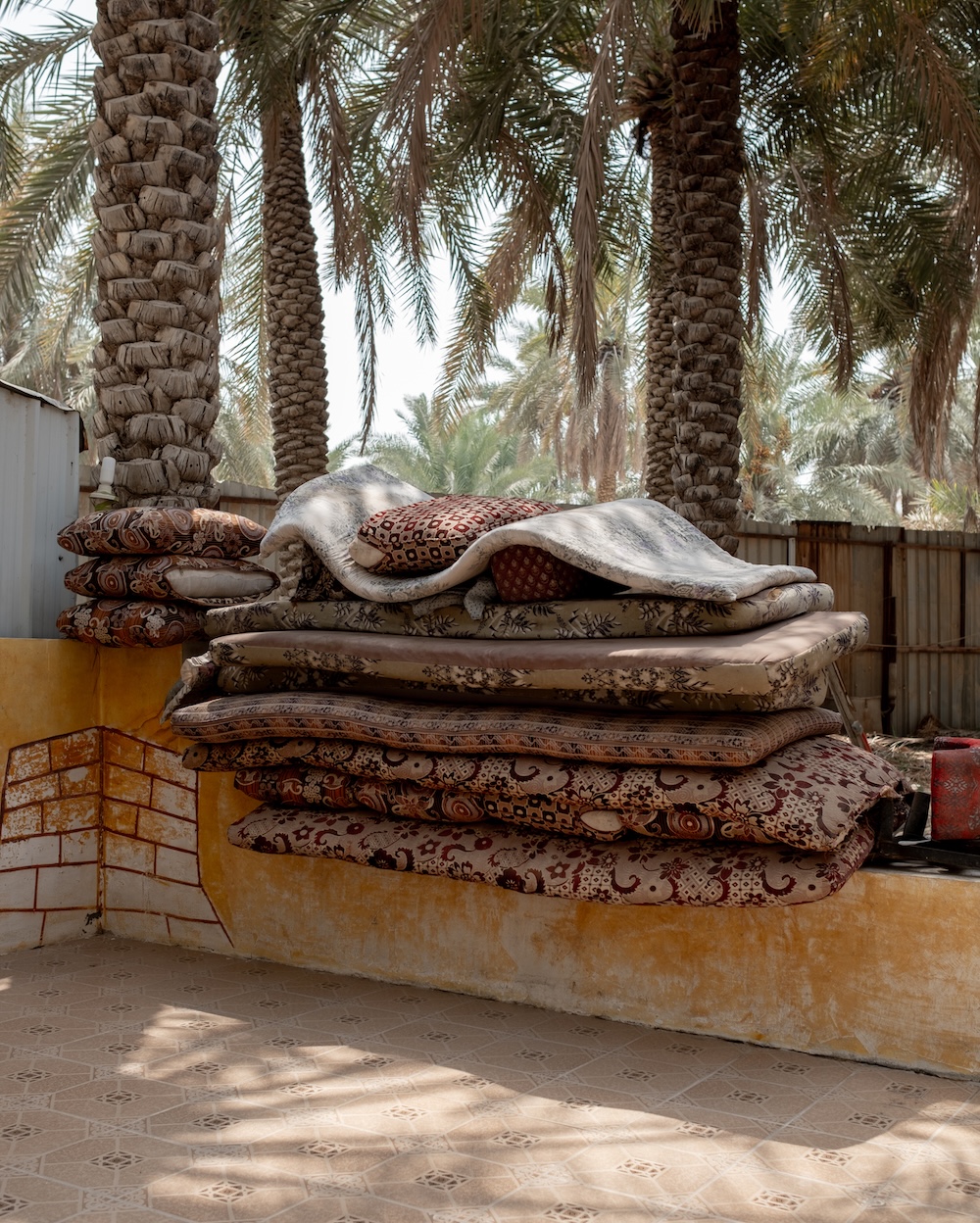
Mohammad frames his role in more tactile terms. “A scavenger,” he says, describing his approach to photography. “Someone who searches, finds, and collects, but in an inclusive way. To document, archive, and bear witness to the land, people, animals, plants, stones, and objects.” His archive is not limited to human life alone. It extends to the entire ecology of Al Ahsa.
For both, the act of photographing is less about capturing a perfect image and more about remaining present long enough for something honest to reveal itself.
The Everyday
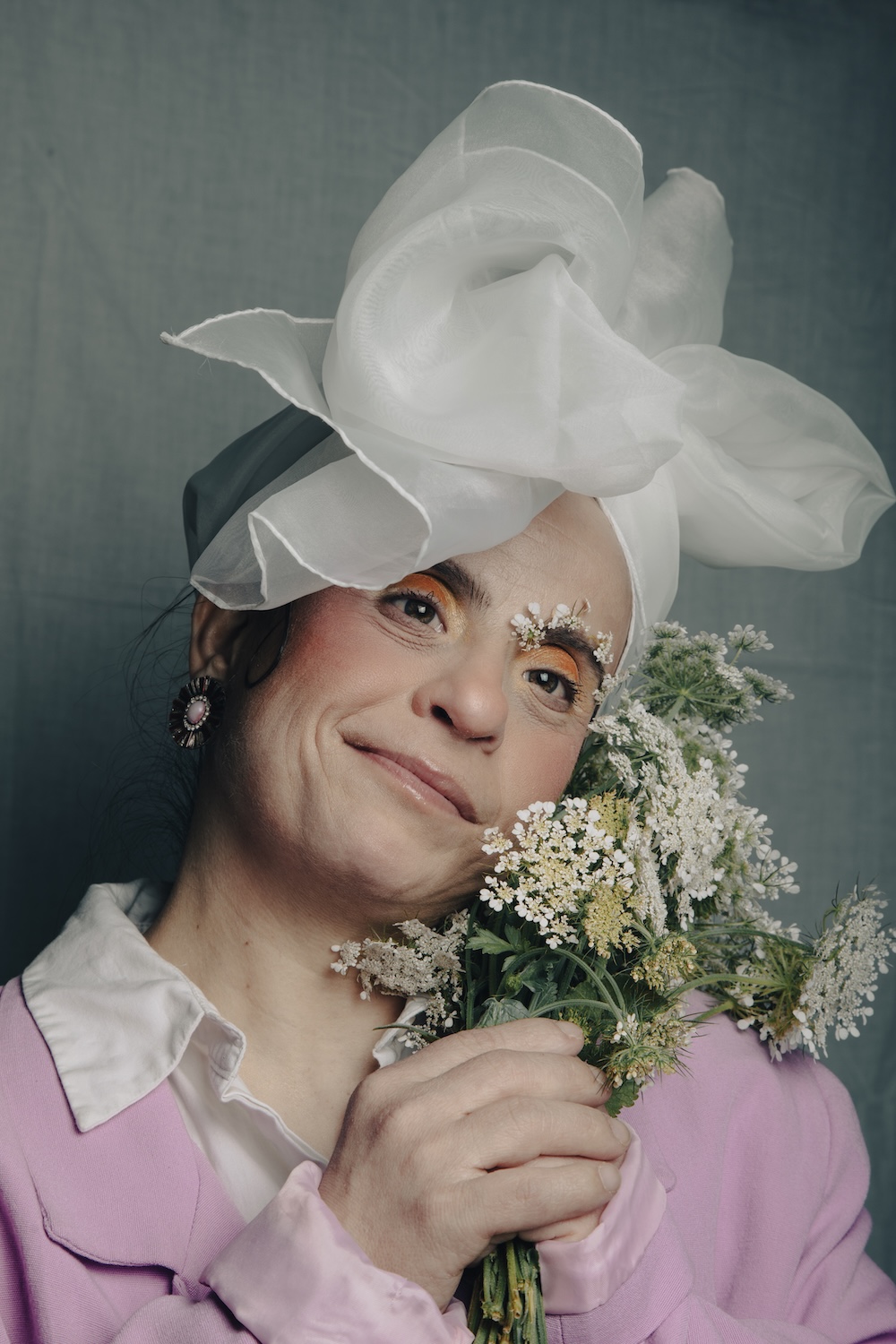
Latifa is drawn to what history tends to overlook. “Monumental moments are mostly documented,” she says. “They’re rarely lost. But those quieter, intimate moments are easily forgotten and taken for granted, even though they hold more continuity and feel more real.”
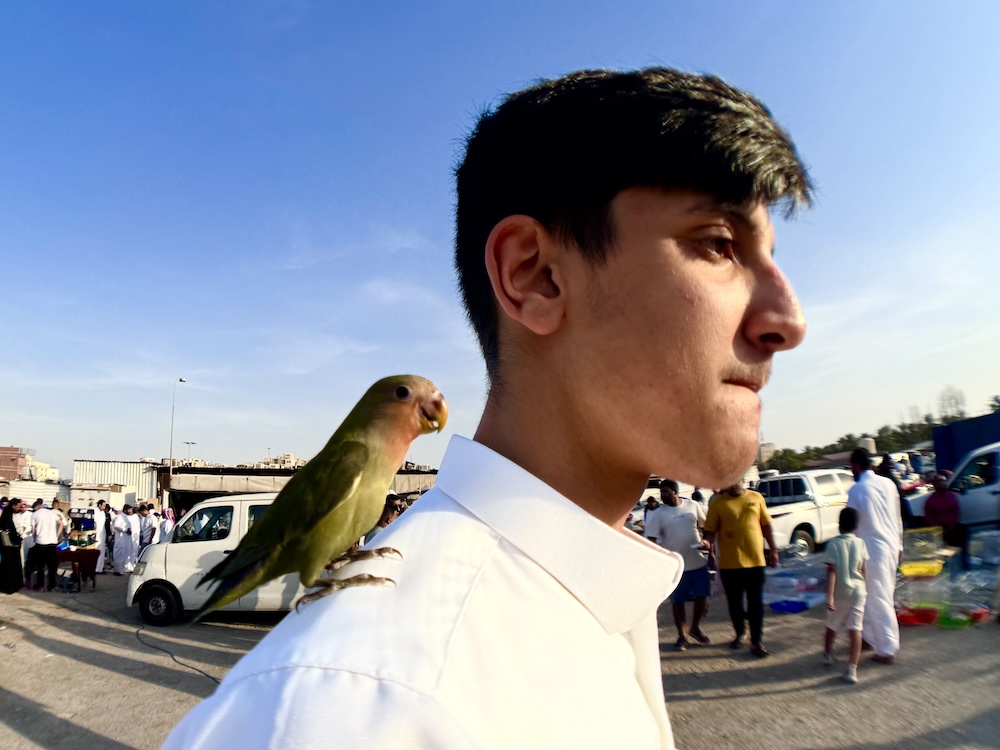
Mohammad’s lens follows a similar logic, but through rhythm rather than stillness. Lately, he has been documenting the daily choreography of the city and surrounding villages. “In the morning, farmers go to the farms, students to schools, people to their jobs,” he says. “Everyone is like a bird, waking up and chattering, looking for what’s theirs in this life. And by the afternoon, everyone goes back to their nest.”
Latifa places these moments within a rapidly changing visual landscape. “Change is happening so fast in Saudi,” she reflects. “It is visually changing right in front of us. The best way to preserve what we see around us is through images or videos.”
Discover the whole story in JDEED 12..


.png)