Asteri and the Rise of A-Beauty Are Changing What Beauty Looks Like in the Arab World

Living in the Gulf means accepting a few universal truths. Your hair will lose the battle against humidity. Your iced coffee will melt in approximately four minutes. And your makeup? Unless it’s genuinely built for this region, it probably won’t survive the day.
For years, beauty products marketed as “long-wear” rarely understood what women in the Middle East were actually dealing with. Forty-degree heat, endless humidity, weddings that last until 3am, outdoor events, workdays that turn into dinners, and makeup routines expected to survive all of it.
Middle Eastern women adapted because they had to. Now, beauty brands from the region are finally building products around real life here instead of expecting women to adapt to formulas created somewhere else.
And honestly, that’s what makes Asteri Beauty feel so relevant right now.

Three years after launching in Saudi Arabia, the brand has grown from an online beauty platform into one of the Gulf’s fastest-growing beauty names, with 13 retail locations across the GCC and launches inside Ulta Beauty in the UAE and Kuwait.
But beyond the expansion, Asteri feels part of something much bigger happening in beauty right now: the rise of A-Beauty. If K-Beauty became known for skincare innovation and French beauty mastered effortless chic, A-Beauty feels built around endurance.
Asteri describes it as beauty created specifically for the realities of the Middle East, products developed for diverse skin tones, extreme climates and women who need makeup to genuinely perform.
As someone who has experienced foundation sliding off her face halfway through a Dubai summer lunch, I immediately understood the assignment. The brand’s “desert-proof” philosophy might sound dramatic until you realise the products are literally tested in heat, humidity and even sauna conditions. And honestly? That feels less like marketing and more like a public service for Gulf women.
Because surviving a humid August wedding in Dubai deserves its own category of cosmetic science.
Founded by Saudi entrepreneur Sara Al Rashed, Asteri was inspired by sisterhood and a desire to create a beauty brand reflecting modern Arab women outside tired stereotypes. You can feel that perspective throughout the brand.
The aesthetic feels elevated but approachable. The formulas lean high-performance while still feeling skin-friendly. And perhaps most importantly, there’s an understanding that beauty in this region isn’t just about looking polished. It’s cultural. Emotional. Social. Sometimes even survival.
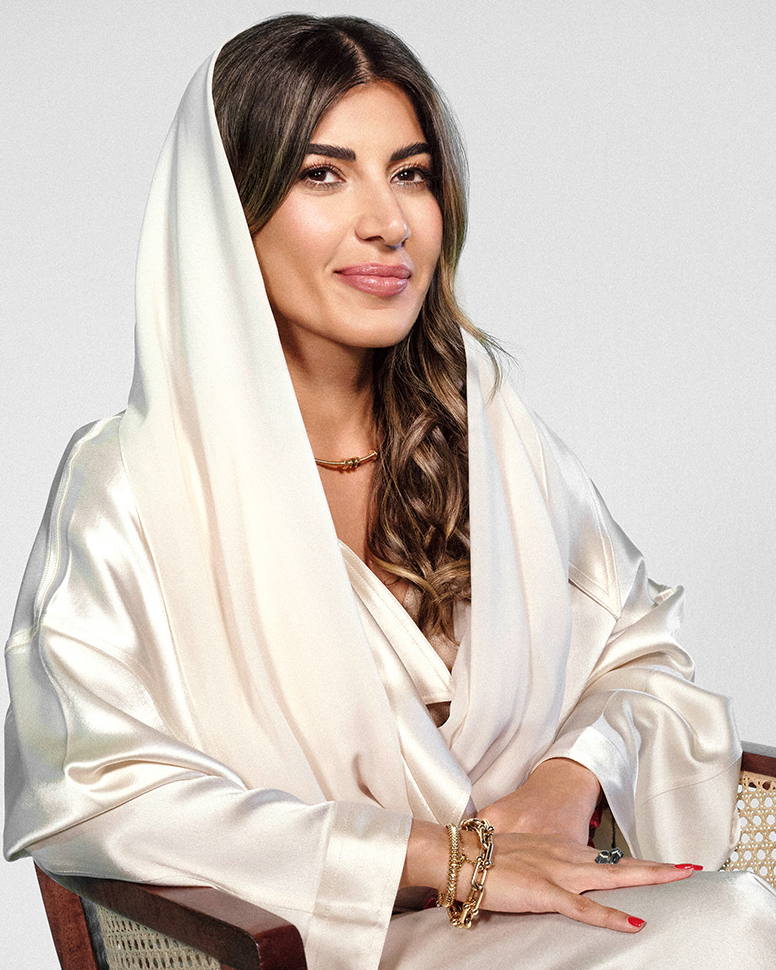
Beauty here happens at family gatherings, late dinners, weddings, airports, beach clubs, office meetings and during summer heat that honestly feels personally offensive. Your makeup needs range.
What also makes Asteri interesting is how strongly it reflects the direction Gulf beauty consumers are moving toward overall. People are asking more questions now. Ingredients matter, sustainability matter, longevity matters. Consumers want products that work, but they also want brands that feel aligned with their values.
Asteri becoming a certified B Corporation feels particularly important within that shift.
The brand focuses on vegan formulas, cruelty-free standards, microplastic-free ingredients and more conscious production without sacrificing the thing Middle Eastern women care about most: performance. Because no matter how sustainable a lipstick is, if it disappears after one iced latte, we're simply not interested.
Over the past few years, beauty trends have slowly stopped flowing in only one direction.For a long time, the region consumed global beauty trends without really seeing itself reflected in them. Now, brands born in Riyadh, Dubai and across the GCC are beginning to shape the conversation internationally too.
And really, it was only a matter of time.Because if there’s one thing Middle Eastern women understand better than almost anyone else, it’s how to make beauty last.
More on AsteriBeauty.Com



.png)