Are We All Secretly Waiting for The Devil Wears Prada 2 to Heal Something in Us?
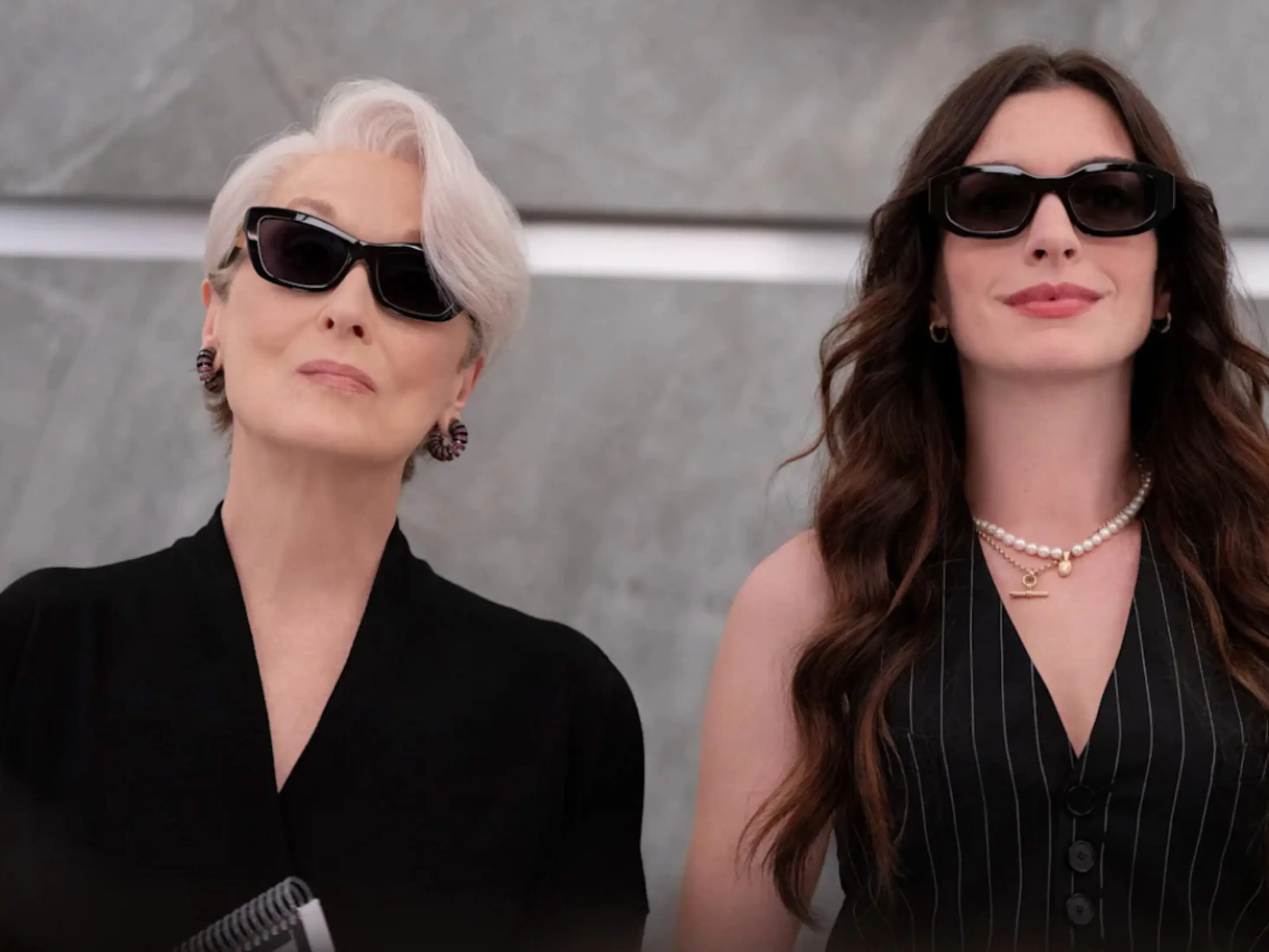
I was 12 when The Devil Wears Prada came out. Like so many teenagers of my generation, even though it painted a relatively harsh picture of the fashion world, it did far more than just entertain us for two hours or give us good styling.
It ignited something deeper. It made us dream of this glittering universe where flights to Paris and Chanel boots felt like a fair trade-off for long nights and walking your boss’s dog. New York, Runway, Fashion Week; it all suddenly felt within reach.
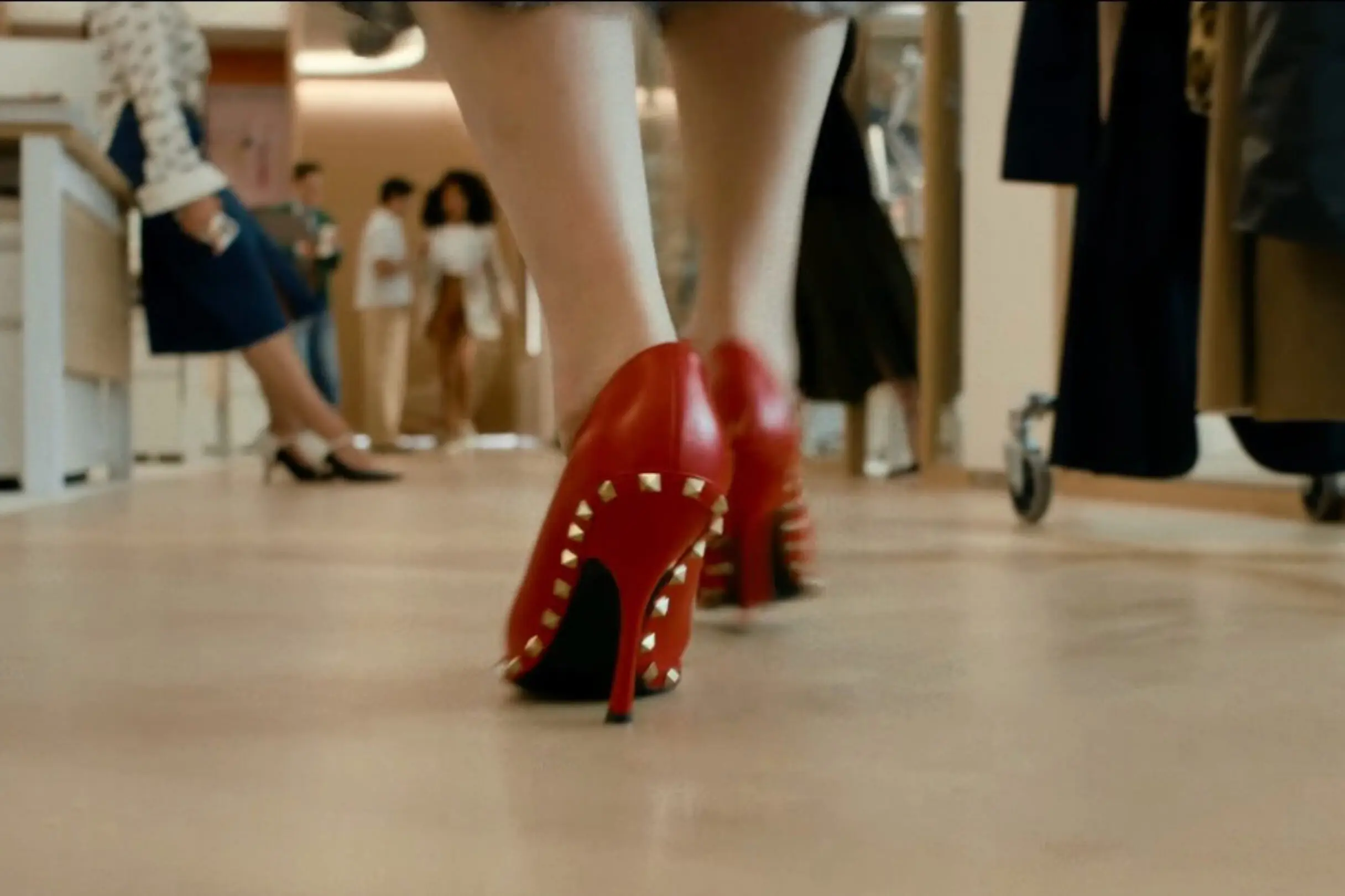
I had already decided two years earlier that I would work in a fashion magazine. A strong mind, determination, and, admittedly, a slightly obsessive temperament have always defined me, but that film didn’t create the dream, it validated it. Looking back, it’s interesting because it probably should have scared me. Instead, I saw myself in it. I imagined sitting on a quilted seat overlooking the New York skyline, planning shoots, rushing between meetings, living that fast, chaotic, intoxicating life that seemed both impossible and entirely attainable at once.
Six years later, I walked into my first day at fashion school. Five years after that, I launched my own magazine. Not quite Runway, and I’d like to believe I’m a million times more empathetic than Miranda, but still, the shows, the events, the brands, the intensity: it all happened. In many ways, life did begin to resemble the movie. This industry is home to some of the biggest egos I’ve ever encountered, to moments of pressure, of judgment, of feeling overlooked or underestimated. But it’s also exhilarating, captivating, and, truthfully, quite fun. As my friends like to say, “it’s PR, not ER.”
And yet, somewhere along the way, something shifted. Because what I was really chasing wasn’t just the career, it was the feeling the movie gave me; that sense that everything was possible. While I still believe that, reality has a way of reshaping it. You grow up, you adjust, you compromise, and things don’t quite look the way they did in your head.
The truth is, the people who grew up with The Devil Wears Prada are now in their thirties. We’ve lived through a pandemic, inflation, instability, things we never quite saw coming. The version of life we imagined back then — the glossy, effortless one — feels further away than we expected. The dream of a life à la Andy Sachs didn’t disappear; it just became something we quietly put aside, something we folded away while figuring out how to navigate the version of adulthood we were actually given.
We’re doing our best. Building careers, making choices, sometimes loving what we do, sometimes simply doing what we need to. But if we’re honest, life in 2026 looks very different from the version we imagined in 2006. And maybe that’s why the idea of The Devil Wears Prada 2 feels so significant.
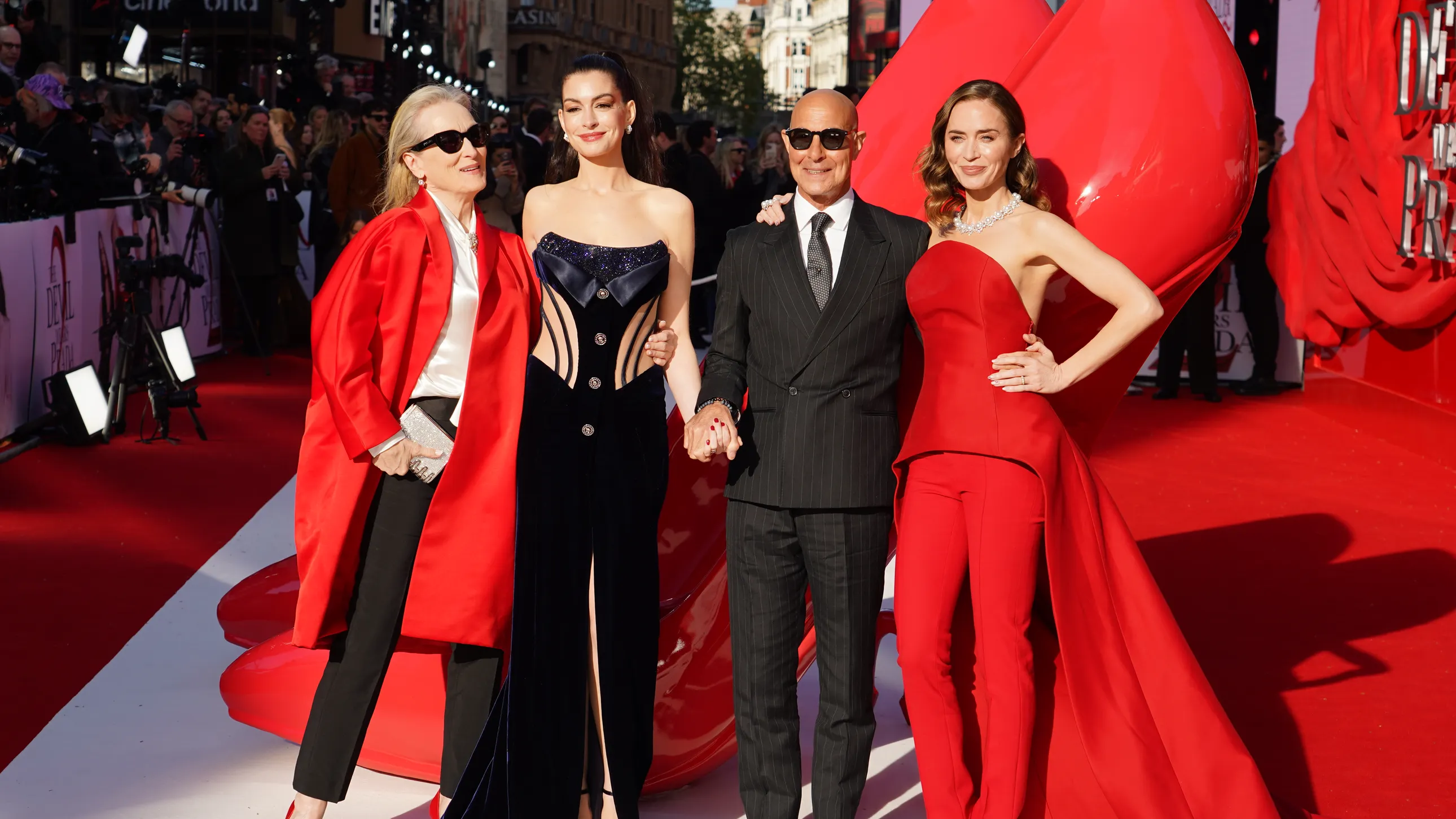
It’s not really about the sequel. It’s about what it represents. A return, however brief, to a time when dreaming big felt natural, when hope wasn’t something you had to negotiate with, and when the future still felt wide open. The promo tour alone already gave us something dazzling to look at in some on the most grim, awful period of time we were given to live: the looks, the smiles and a Meryl Streep looking so good we can't wait to be in our 60s. Whether the film is good or not almost doesn’t matter. If it's mid, I don't think I'll even care.
Like so many of us, I’ll be watching because I want to feel something again; because, deep down, I think we’re all still holding on to the idea that things can be a little bit dreamy even in the unperfection of it all.

More news

.jpeg)

.png)