
Amr Mansi on Ownership, Ecosystems, and Shaping Egypt’s Cultural Future
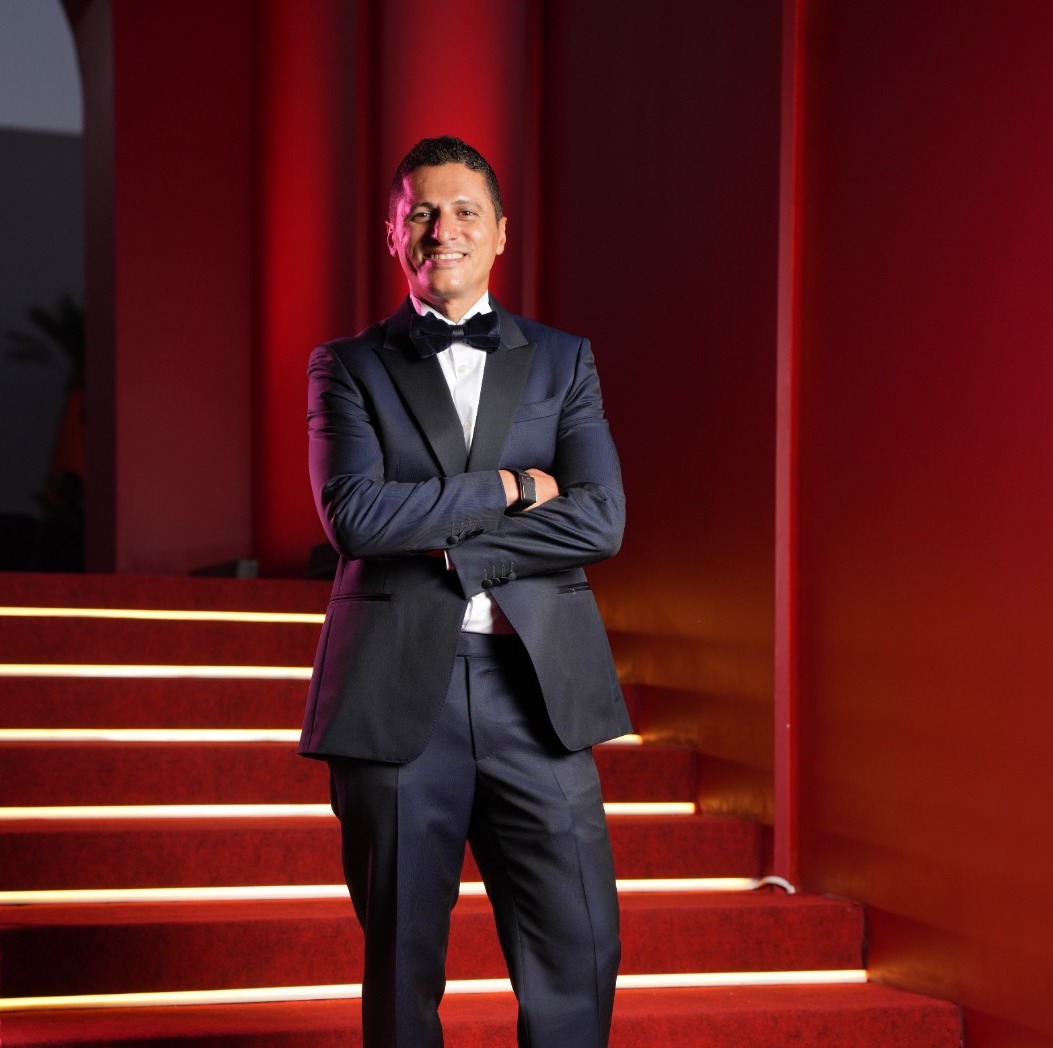
For Amr Mansi, culture has never been about spectacle alone. It is about ownership, continuity, and the responsibility of building structures that outlast applause.
From El Gouna Film Festival to Shark Tank Egypt and the Egypt Entrepreneur Awards, Mansi has quietly positioned himself at the intersection of culture, business, and social impact. What emerges from his reflections is not the story of an event-maker, but of a builder: someone deeply invested in creating ecosystems that allow people, industries, and narratives to grow on their own terms.

At the core of everything Amr Mansi builds lies a single conviction: culture must serve the people who create it. “The vision that drives me is the idea of reclaiming our cultural narrative and shaping it in a way that builds real ecosystems around it,” he explains, emphasizing that these ecosystems should “influence society and the economy, not just moments in time.”
Egypt’s cultural richness, he notes, has always been present- across film, art, and entrepreneurship -yet too often detached from tangible benefit. “For a long time these stories were either overlooked or told without truly benefiting the people behind them,” he says. His response has been to create platforms that do more than spotlight talent. “I wanted to create platforms that put this work in the spotlight while giving back to the people behind them.”
That sense of responsibility extends beyond visibility to ownership. “We are the movers and enablers of these stories, and it’s time we take ownership of them, in a way that is sustainable and genuinely beneficial to our communities.”
This philosophy is particularly evident in the Egypt Entrepreneur Awards, a platform designed not as a celebration for its own sake, but as an entry point into something larger. What defines the next generation of Egyptian talent, Mansi says, is “their resilience and clarity of purpose.” Many, he adds, “didn’t come from privilege or easy access, they built something from very little, through persistence and drive.”
“The vision that drives me is the idea of reclaiming our cultural narrative and shaping it in a way that builds real ecosystems around it”
Recognition, in his view, must translate into opportunity. “When we designed the Egypt Entrepreneur Awards, the goal was never just to hand out trophies.” Instead, he explains, “by giving them credible recognition, you give them more than exposure; you give them validation and allow them to integrate systems and networks that will enable them to grow and scale.” That is why, he insists, “we focus on building a community around the awards, not just an annual ceremony.”
Mansi’s understanding of scale and impact was shaped early on through ievents, where the turning point came not through growth metrics, but through people. “That realization came gradually,” he recalls, “but one defining moment was when I saw the long-term impact of what we were doing, not just on audiences, but on people’s lives.”
He points to squash as a powerful example. “I watched the sport go from being underappreciated to thriving, with players gaining global recognition and sponsorships.” One memory remains especially vivid: “There’s one image I still keep with me: a young boy who volunteered at one of our tournaments in 2010. Fifteen years later, he’s ranked in the world’s top 10.” It was then, Mansi says, that everything clicked. “That’s when it became clear that ievents wasn’t about logistics or production, it was about supporting journeys and building gateways.”
This same realization carried into film, entrepreneurship, and media. “We weren’t just organizing events; we were creating platforms that could genuinely move industries forward.”
Operating at the crossroads of creativity and commerce requires discipline, something Mansi approaches with clarity. “If the story is real and the intention is genuine, sustainability becomes much easier,” he says. Still, belief alone is not enough. “Passion alone isn’t enough. Vision and structure are necessary.” Drawing from sports, he adds, “you may love the game, but without strategy and consistency, you won’t last.”
When developing new concepts, intention must be matched with structure. “We’re very intentional about building a solid business model around it; partnerships, scalability, and long-term relevance.” Ultimately, what matters most is connection. “People don’t connect with products; they connect with experiences.” And when that connection is real, “commercial success becomes a byproduct, not the goal.”
Despite global progress, Mansi believes misconceptions about the region persist. “One of the biggest misconceptions is that creativity in our region isn’t up to global standards.” The reality, he insists, is different. “The talent here is extraordinary, what’s often missing is access, platforms, and trust.”
He has seen the shift firsthand. “Whether it’s filmmakers in GFF or entrepreneurs on Shark Tank, the potential has always been there.” His role, as he defines it, is simple but demanding. “My role, as I see it, is to build bridges: between creativity and business, between local talent and global platforms, and between ambition and opportunity.” And when those bridges are built with intention, the impact is lasting. “When you invest in people, you don’t just change perceptions, you change reality.”
Keep up with Amr Mansi on his Instagram, here



.png)