
A Love Letter to Local: Inside Cinema Akil’s (Imperfect) Homegrown Guide

There is something quietly powerful about choosing local and to do it not as a trend, not as a moment, but as a mindset. In a city that moves fast and often looks outward, turning your attention inward can feel almost radical.
Cinema Akil has always understood that. Long before “support local” became part of everyday language, the independent cinema built its identity around storytelling, community, and the people behind both. Now, with the launch of the (Imperfect) Homegrown Guide, that same ethos is being extended beyond the screen.
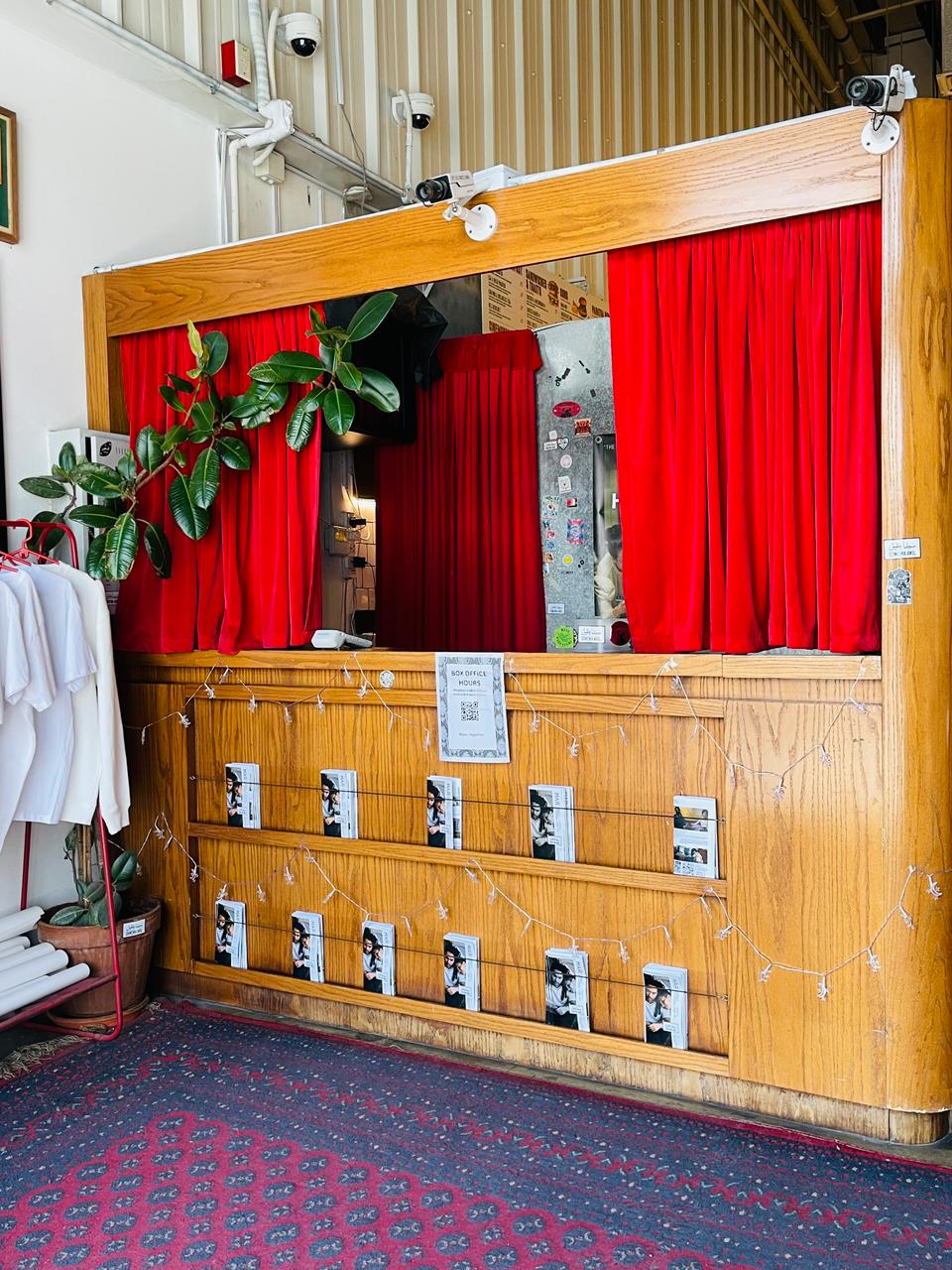
At first glance, the guide reads like a directory, but spend a few minutes with it, and it becomes something else entirely. A living, evolving map of the UAE’s independent spirit, bringing together more than 2,500 homegrown businesses across sectors that range from fashion and retail to wellness, food, and the creative industries.
It is not polished, and that is precisely the point. The word imperfect here feels intentional: it reflects the reality of building something from the ground up, often without the safety nets that larger, established systems provide. It also mirrors the nature of the community itself, one that is constantly growing, shifting, and redefining what it means to create locally.
What makes the guide compelling is not just its scale, but its purpose. It is designed to be returned to, whether you are looking to shop more consciously, discover new creatives, find collaborators, or simply understand the ecosystem that exists around you. It invites participation rather than passive browsing, encouraging users to contribute, connect, and build alongside one another.
In many ways, it captures a broader shift that has been unfolding quietly across the region. A move toward local-first thinking that is less about exclusivity and more about sustainability, not just economically, but culturally. When homegrown supports homegrown, something larger begins to take shape, not just a network, but a sense of shared momentum.
Cinema Akil’s role in this feels natural: since its beginnings as a nomadic cinema, it has positioned itself as more than a venue, acting instead as a platform for stories, conversations, and community. The guide feels like an extension of that vision, a way of turning the spotlight outward and allowing others to take center stage.
And perhaps that is what makes it resonate. It does not try to define what the local scene should look like. It simply creates the space for it to exist, in all its complexity, creativity, and imperfection.
Because in the end, supporting local is not about a single purchase or a passing moment. It is about choosing, again and again, to invest in what is being built around you.





.png)