Tiny House Music Wants SWANA Artists to Finally Get Paid Properly

Across the SWANA music scene, there’s no shortage of talent. The region has spent the last few years producing some of the most exciting independent artists globally, musicians building loyal audiences from Beirut to Berlin, Cairo to Paris, often without the machinery traditionally associated with the music industry.
What’s been missing, however, is infrastructure. Behind the streams, sold-out shows, and viral moments sits a less glamorous reality that many artists struggle with: publishing rights, royalty collection, intellectual property, and the complicated business of actually getting paid for the music they create.
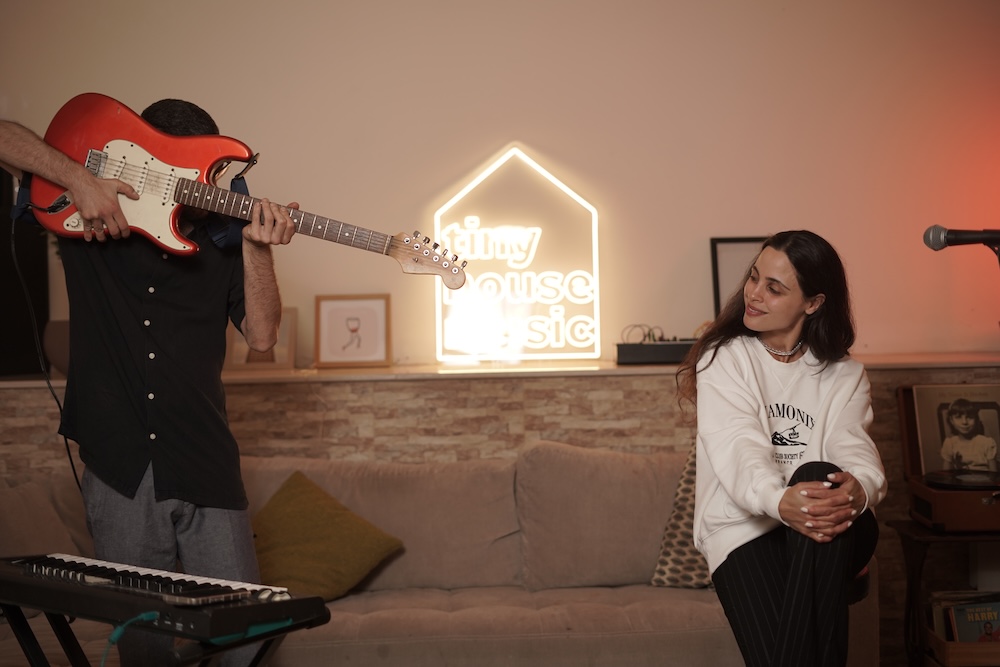
For a long time, most independent artists in the region simply learned to survive without it. Songs travelled worldwide while the people behind them often had little understanding of how publishing worked or what revenue they were entitled to collect. That’s the gap Tiny House Music is trying to close.
Founded by Lebanese artist and producer Etyen, also known as Samer Etienne El Chami, Tiny House Music began in 2019 under Thawra Records before gradually expanding into publishing, licensing, distribution, neighbouring rights, and release management.
Today, the company works with artists including Bu Kolthoum, Khansa, Blu Fiefer, Mayssa Jallad, and SANAM, while continuing to support emerging voices across the region.
.JPG)
This May, THM takes things a step further with the launch of its new publishing administration platform, described as the first initiative of its kind in the region specifically designed for independent music creators.
The idea is simple, although long overdue: Give artists the tools to properly register, manage, protect, and monetise their compositions while maintaining ownership of their work. The platform allows musicians and songwriters to track royalties globally, better understand where their income comes from, and navigate publishing rights without needing to decode an industry that often feels intentionally inaccessible.
This project is deeply personal; El Chami speaks openly about spending years trying to understand intellectual property on his own after starting out independently in 2012, describing publishing as a steep learning curve that ultimately led to lost income and missed opportunities. Tiny House Music, in many ways, grew directly from that frustration.
And honestly, that experience is familiar to almost every independent artist in the region.
.jpg)
The SWANA scene has always had creativity and it always has always had audiences. What it hasn’t always had is the kind of support system that allows artists to build sustainable careers instead of constantly operating in survival mode.
Publishing may not sound particularly glamorous compared to touring, visuals, or releasing music, but anyone who works in the industry knows it quietly shapes everything. Ownership, infrastructure and long-term sustainability all matter and especially now, as artists from the region continue to establish themselves globally on their own terms.
Tiny House Music understands that empowering artists isn’t only about helping them release music but about making sure they can actually build a future from it.
More on TinyHouse-Music.com





.png)