A Look Back At The First Palestine Design Week 2026: Inside ‘Without Permission’
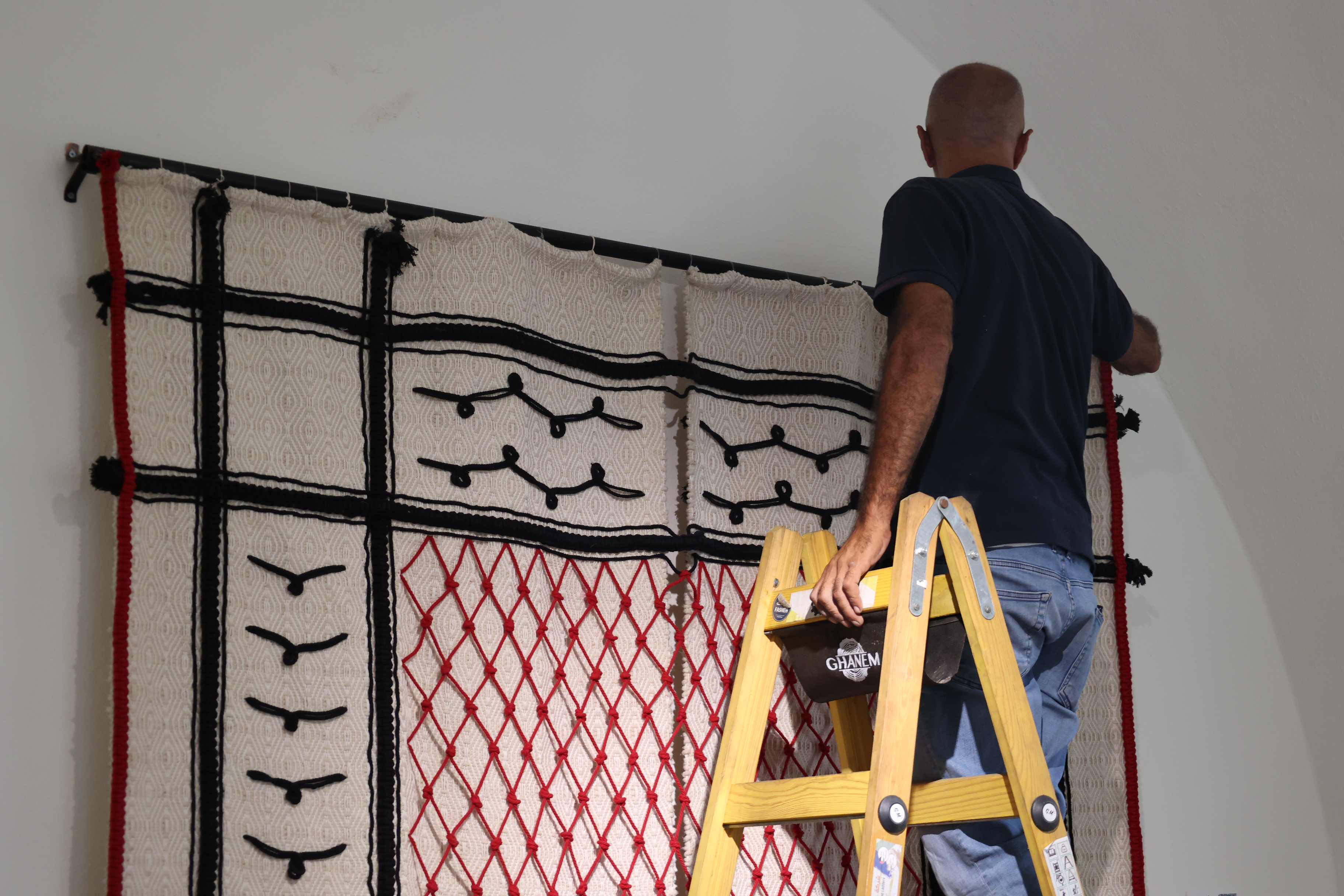
In September 2026, Ramallah hosted the first-ever Palestine Design Week. We spoke to director Shadi Abou Baker and curator Doreen Toutikian about the years it took to make it happen, the extraordinary knowledge behind Palestinian design, and why the theme ‘Without Permission’ feels particularly significant.
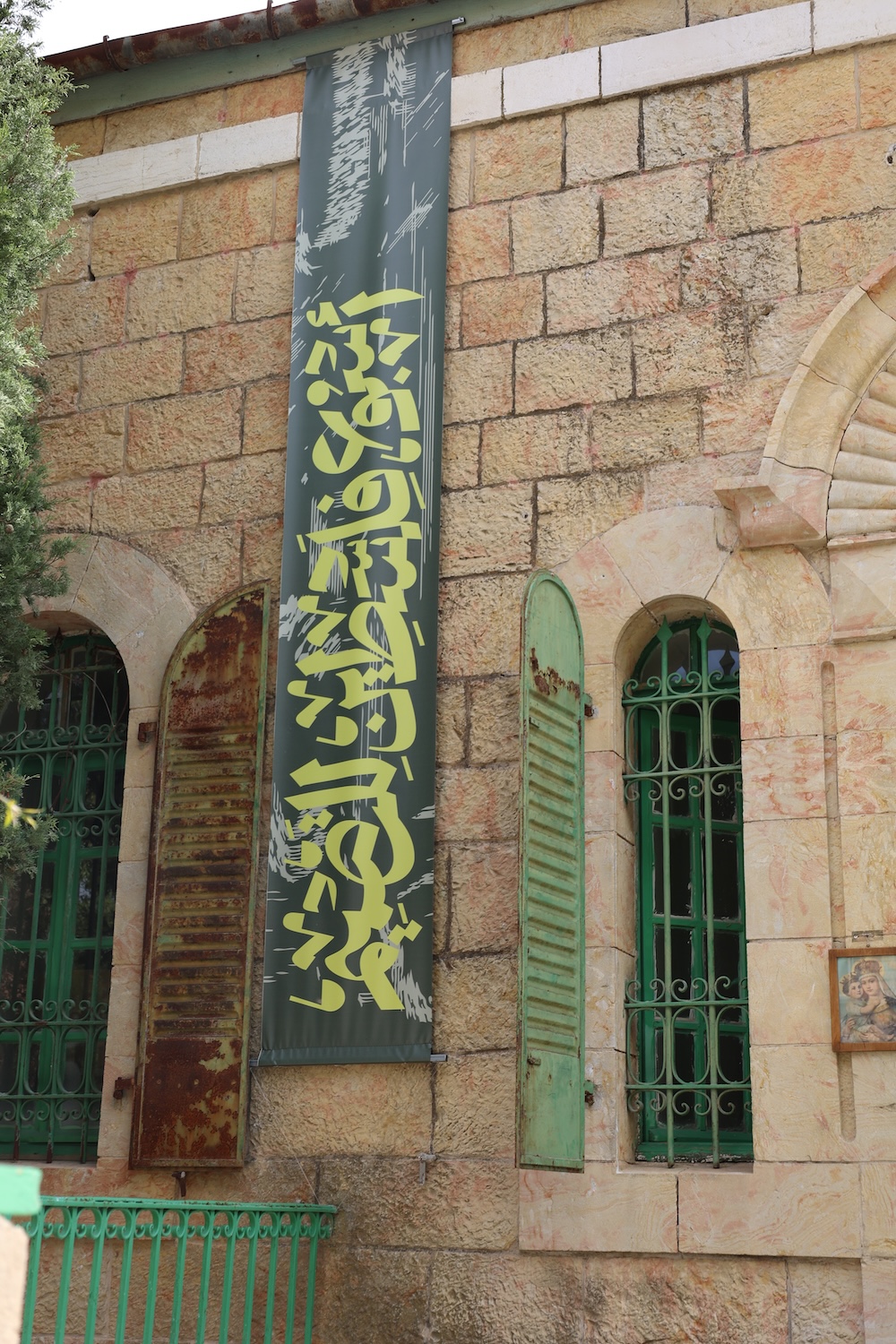
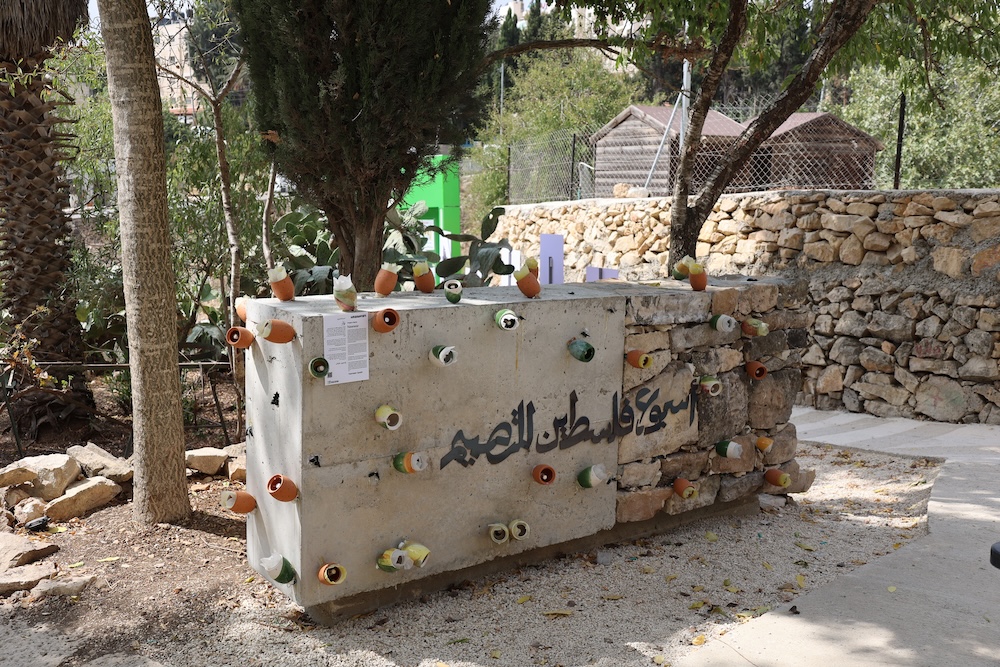
There is something rather powerful about calling a design week Without Permission, especially in Palestine. For ten days, from September 15 to 24, 2026, Ramallah became the setting for the inaugural Palestine Design Week, bringing together Palestinian designers, architects, craftspeople, artists and researchers through exhibitions, installations, workshops and conversations.
The first edition was a long time coming. And while the event marked an important milestone for Palestine's creative community, its theme raised questions that extended well beyond design: Who gets to create? Who decides what deserves recognition? And why should an entire culture of making have to wait for permission to be seen?
For director Shadi Abou Baker and curator Doreen Toutikian, those questions were central to the project.

Palestine Design Week: An Idea Eight Years in the Making
Although Palestine Design Week made its debut in September 2026, the idea had been taking shape for years.
“The idea of having a Palestine Design Week first emerged in 2018,” explains Shadi Abou Baker, the event's director. “It was an idea that stayed with us, but its development was interrupted first by the COVID-19 pandemic and then by the war and wider crisis in Gaza.”
It wasn't until 2024 that the possibility of bringing the event to life became more concrete. But why did Palestine need a design week in the first place?
“The idea was therefore less about creating another ‘design event’ and more about identifying a gap,” Shadi tells JDEED. “Palestine already had strong art institutions, film festivals, architecture programmes and cultural festivals, but there was no national platform bringing together designers, architects, craftspeople, artists, researchers and the wider public around design as a cultural practice.”
That opportunity eventually came through Mishkal, an EU-supported programme implemented by the Goethe-Institut and British Council in Palestine.
“The idea had been there since 2018. What changed was that the Mishkal project made it possible to finally turn that idea into reality.” The result was Palestine's first national platform dedicated to design, with the ambition of creating connections between disciplines, generations and creative practices that had previously lacked a shared space.
Why ‘Without Permission’ Became the Theme of Palestine Design Week 2026
For curator Doreen Toutikian, the theme was born from conversations with her Palestinian colleagues Izz, Asma and Ahmad, as well as the submissions received through the event's open call. Rather than arriving with a predetermined concept, she found herself listening to what the work was already saying. “There is an intelligent form of resilience and resistance in their work, throughout every step of the process,” she explains.
What struck her most was that these practices were already taking place, long before Palestine Design Week existed. “The soapmaker in Nablus was not waiting to be discovered. The architect prototyping demountable homes for Gaza had not paused for the right funding cycle. The student recording oral histories on battery-powered equipment was doing it because the work needed doing, regardless of the conditions.”
There is something especially poignant about that observation. While a design week might give these practices a larger audience, the creativity itself has never depended on the existence of a festival, an institution or international recognition. “I remember saying to my colleagues that my job was not to invent any new idea here, but to synthesize from all their input,” Doreen continues. “We were describing something that had been true for generations and simply had not been named.”
And so, Without Permission became the title.
“It is a description of how Palestinian design knowledge has actually been produced and transmitted, across occupation, across fragmentation, across the absence of the institutions that elsewhere would have housed and funded and legitimised it.”
The name also established an attitude for the new platform itself. “A first edition sets the terms for everything that follows. I did not want this platform to be asking permission to enter an existing conversation. The work does not need that, and neither does the platform.”
Palestinian creativity is frequently discussed internationally through the lens of conflict, resistance and survival. These realities are impossible to ignore. But Doreen believes that this framing can also obscure the extraordinary depth of Palestinian design knowledge.
“When I first started working on PDW, I was struck by how much the international frame flattens the diversity and creativity of work produced in Palestine,” she says.
“Palestinian cultural production arrives abroad already classified as testimony. The maker becomes a witness, the object becomes evidence, and the knowledge inside the work disappears entirely.”
It is a particularly striking observation, and one that challenges the way cultural work from Palestine is often presented to international audiences.
Because behind the objects themselves lie generations of experimentation, technique and accumulated expertise. “Palestinian soapmaking carries centuries of accumulated technical knowledge. Embroidery encodes region, status, and origin with extraordinary precision, a visual language with its own grammar and regional dialects.”
Doreen points to ceramics, tilework, vernacular architecture and metalwork as further examples of the knowledge embedded in Palestinian craft traditions.
“What I hope people encounter here is design knowledge with its own methods and its own standards,” she explains. “It developed largely outside the institutions and publications that define the discipline internationally, and I have come to see that as a comment on those institutions more than on the work.”
It's an important shift in perspective. Palestinian design doesn't need to be validated through an international institution to be considered sophisticated or relevant.
And in many ways, its practices are remarkably contemporary. “Contemporary design is preoccupied right now with scarcity, repair, local production, and making outside extractive supply chains. Palestinian practitioners have been working on exactly these questions out of necessity for decades (...) There is genuine expertise here, and the exchange should run both ways,” she explains.
How Do You Talk About Design Under Occupation Without Romanticising Hardship?
One of the most difficult questions surrounding Without Permission is how to acknowledge the restrictions Palestinian designers face without turning those restrictions into a romantic story about creativity flourishing through adversity. Doreen is especially thoughtful on this point.
“This was a very important point that came from my Palestinian colleagues, and the one we returned to most often. I would say we hold a position rather than having resolved it.”
She explains how easily narratives about resilience can become problematic. “Constraint gets reframed as a kind of gift, hardship becomes an aesthetic, and somewhere in that movement the people and policies producing the constraint vanish.”
What remains, she suggests, is admiration for the work without sufficient attention to the conditions shaping it. “Our position is that these conditions are imposed, deliberate, and maintained,” she says.
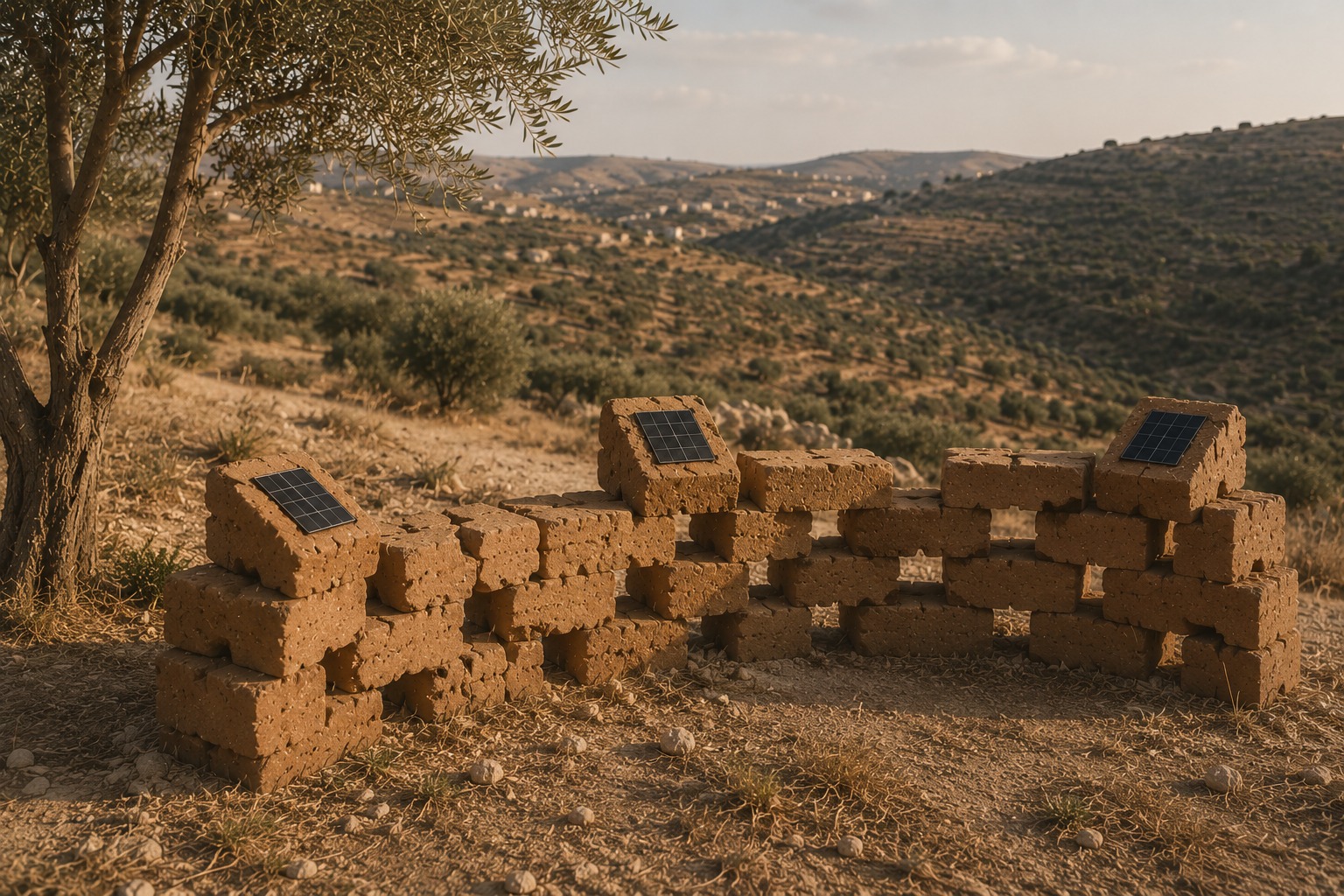
“Restrictions on movement, legal prohibition on using certain natural resources, destroyed infrastructure, the pressure of global markets on local production. These are structures, not circumstances, and naming them precisely is part of the curatorial work.”
It's a distinction that changes how we understand the work on display. A designer finding an alternative way to work with restricted materials has developed genuine technical knowledge. But that achievement doesn't make the restriction itself any less unjust.
“When a designer develops a method for working with materials that are legally restricted, that method is real design knowledge. Its value does not depend on the restriction, and the restriction is not redeemed by what it produced.”
Perhaps Doreen's most memorable observation comes from a conversation with her colleagues about the difference between two words that are often used interchangeably.
“Resilience describes absorbing something. Agency describes deciding (...) What we saw in the submissions, consistently, was the latter.”
And that feels like one of the most important messages to emerge from Palestine Design Week. These designers are making choices, developing methods, preserving knowledge and imagining new possibilities. They are active participants in shaping their creative landscape, even when the conditions around them attempt to limit it.
What Happened at the First Palestine Design Week in Ramallah?
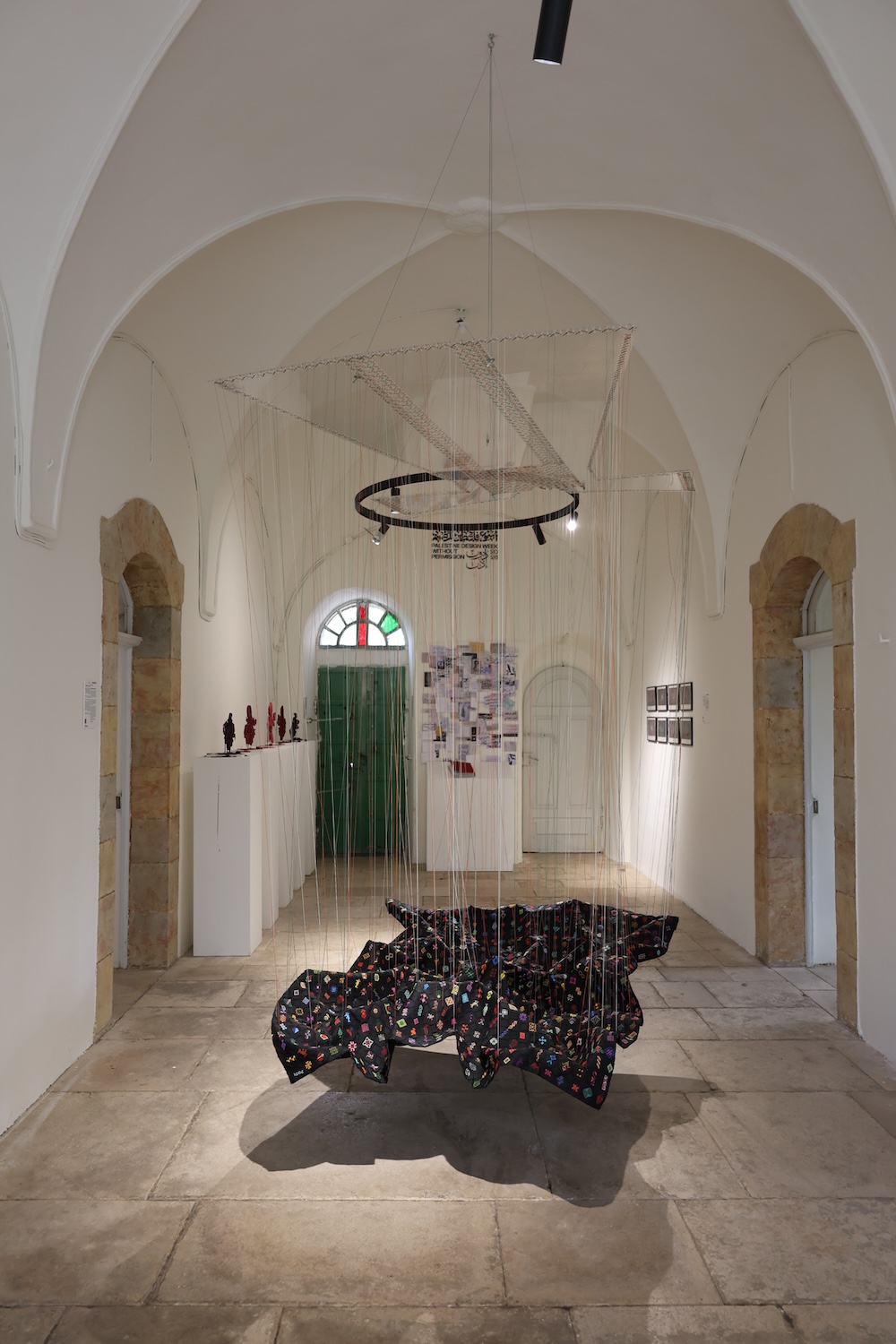
Under the theme Without Permission, the inaugural Palestine Design Week brought together a ten-day programme of exhibitions, installations, workshops, performances, talks and tours across cultural and creative spaces in Ramallah. The programme explored design as something deeply connected to everyday life, encompassing craft, architecture, materials, production, cultural memory and contemporary experimentation.
It also opened up conversations between practitioners whose work is not always grouped together under the same definition of design. This broader understanding of the discipline was central to the event's purpose.
For Shadi, Palestine Design Week was conceived as a platform that could connect different forms of creative knowledge and give designers, craftspeople, architects and researchers opportunities to exchange ideas. For Doreen, the curatorial challenge was to make visible the richness of those practices without imposing an outside narrative upon them.
And together, those ambitions gave Without Permission its distinctive character: an invitation to encounter Palestinian design on its own terms.
What's Next for Palestine Design Week?
With the first edition now behind them, the question becomes what Palestine Design Week could look like in the years ahead. Shadi is clear that growth isn't simply a matter of attracting more visitors or producing a larger event.
“For the next editions, I think the ambition is not simply to make Palestine Design Week bigger, but to make it deeper, more connected and more sustainable.”
He hopes future editions will reach more communities and create stronger relationships across different creative disciplines.
“We want to expand the geographical reach of the programme, strengthen connections between different design disciplines and practices, and create more opportunities for designers, craftspeople, architects, artists, researchers and communities to work together.”


There is also a desire to move beyond exhibitions as the primary way of presenting design.
“We also want to give greater space to research, experimentation, production and critical discussion, rather than treating design only as an exhibition or a presentation of finished work.”
Ultimately, the goal is to establish something lasting, with its own identity and a meaningful role in Palestine's cultural landscape. “Most importantly, I think Palestine Design Week should continue to develop its own identity. It should respond to the Palestinian context and to the questions that matter here, while remaining connected to wider regional and international conversations around design (...) The ambition is for it to become a recurring platform that not only presents Palestinian design, but actively contributes to how design is understood, practiced and discussed in Palestine.”
That is maybe the most exciting part of this first edition. Palestine Design Week has created a new space for conversations that were already happening, practices that were already evolving and knowledge that has been passed down for generations.
Without Permission was an introduction and what comes next could be even more interesting.

.png)