A Land That Remembers: Inside the ‘Ard: To Belong to Land' Exhibition in Milan
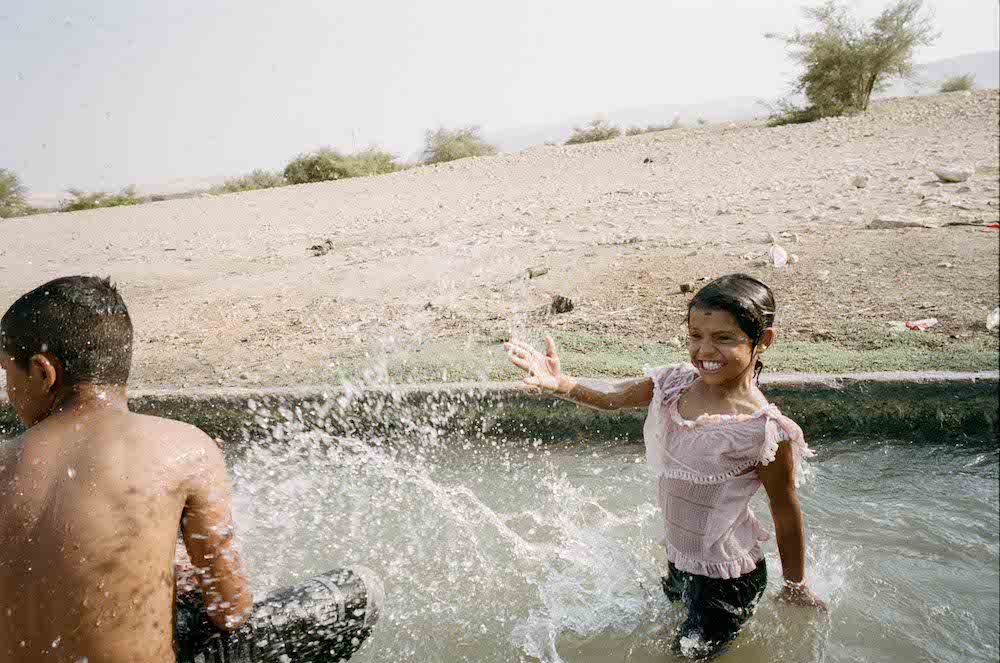
At Milan’s Galleria Gola, a new exhibition invites visitors to step beyond headlines and enter a quiet, powerful space where land is not a possession but a relationship.
Opening to the public from 14 to 30 December 2025, with a special preview on 13 December, ‘Ard: To Belong to Land is a profound tribute to the unbreakable bond between the Palestinian people and their homeland. Curated by British–Iraqi writer and editor Dalia Al-Dujaili, the exhibition brings together eight contemporary Palestinian photographers whose work reframes the narrative surrounding Palestine with tenderness, intimacy and visual integrity.
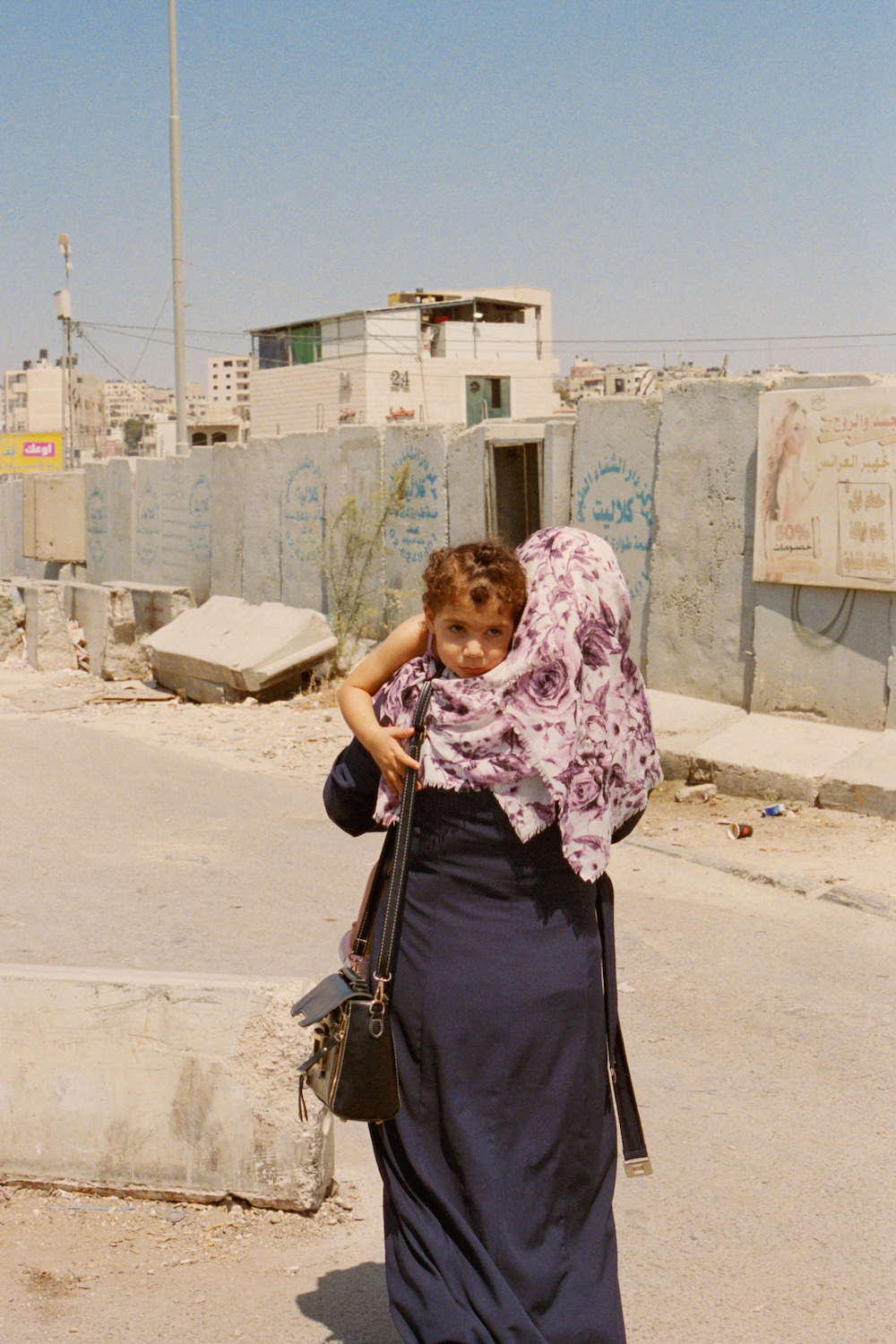
Since 1946, more than 5.9 million Palestinians have been displaced. The Nakba of 1948, a catastrophe that reshaped the region’s history, continues to echo through generations, shaping questions of memory, belonging and the meaning of a land that lives both in the physical world and in the bodies of those who carry it within them. This exhibition confronts that history not through spectacle but through presence.
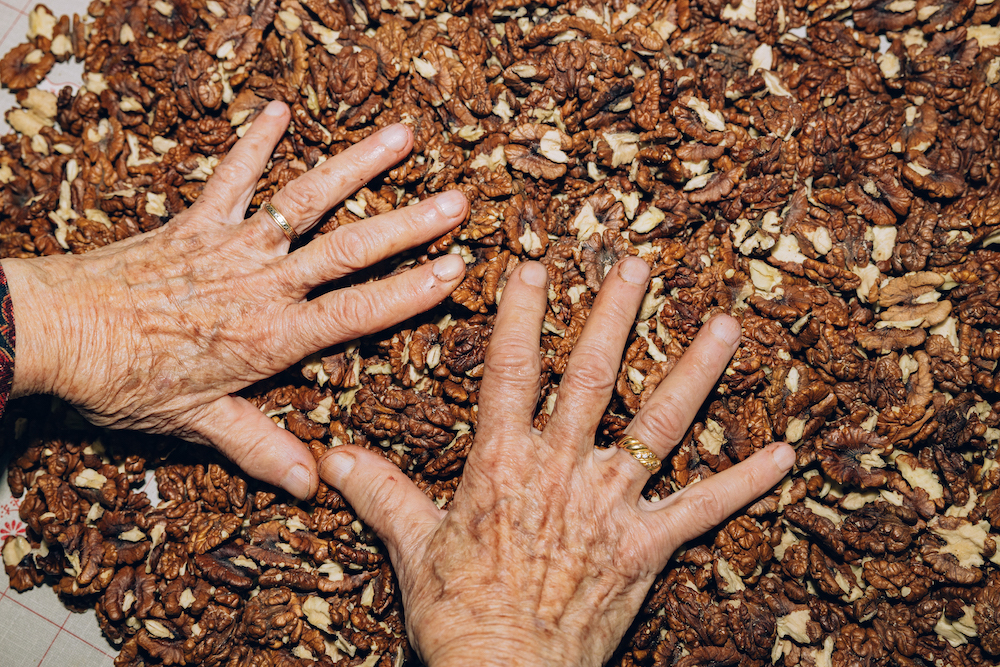
The title, ‘Ard — meaning land, earth, ground — shifts the narrative entirely. Rather than land as something to own, it becomes something one belongs to. A reciprocal space defined by care, rootedness and protection. In this spirit, the exhibition foregrounds natural landscapes, scenes of everyday life, animals, gestures of quiet resistance and the enduring relationship between people and the environment that holds them. These images reveal a Palestine that is alive, textured, complex and deeply human.
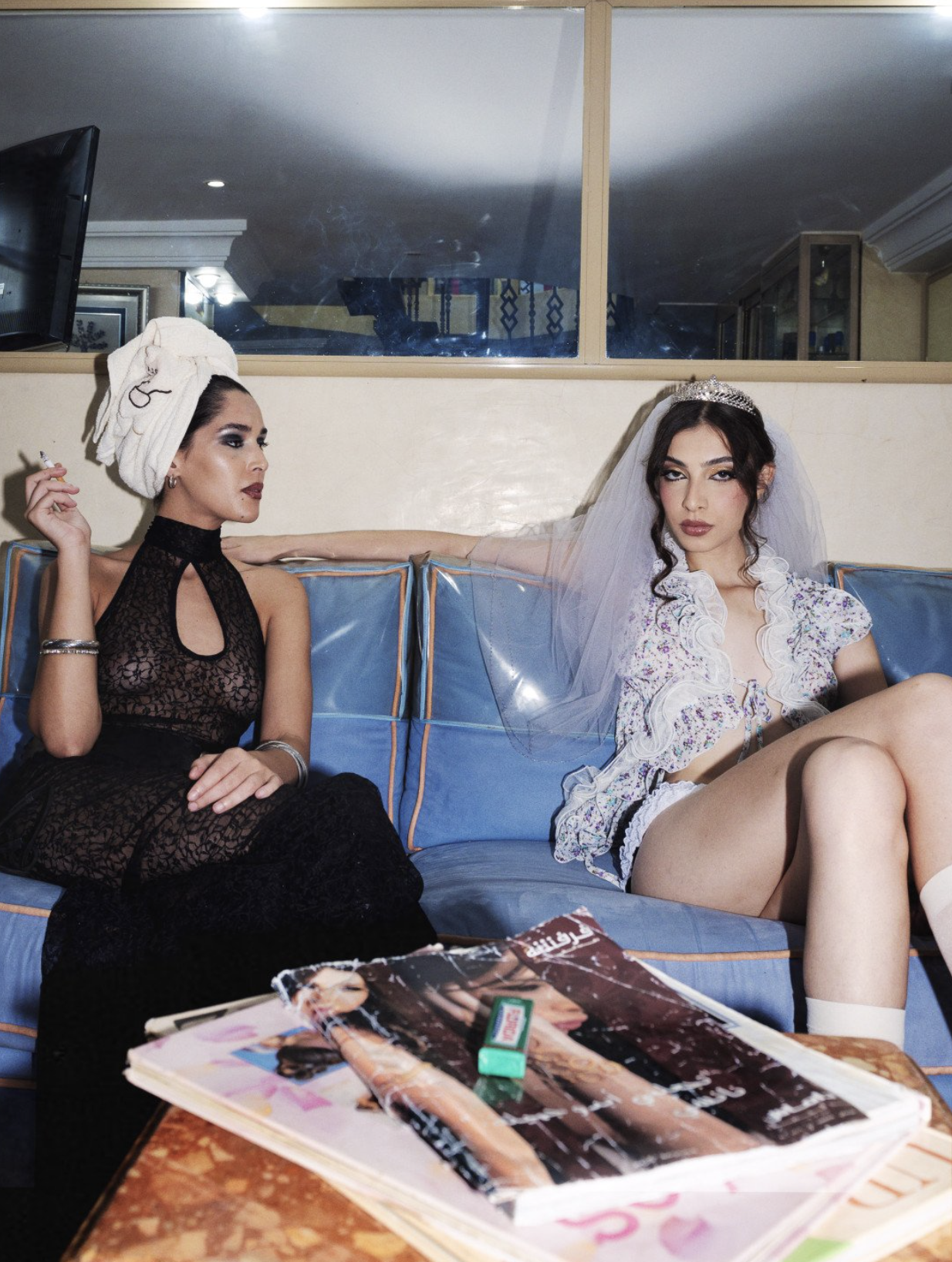
The works on view come from eight artists whose practices represent some of the most vital voices in contemporary Palestinian photography. Adam Rouhana explores new visual narratives shaped by memory and personal history, while Maen Hammad blends documentary insight with research and writing, his work appearing in international publications and receiving global recognition. Jenna Masoud weaves nostalgia and identity through a lens that moves between documentary and stylised storytelling.
From Bethlehem, Samar Hazboun brings a journalist’s precision and an artist’s sensitivity, with contributions to The New York Times and support from organisations such as Magnum Foundation. Kholood Eid, both photographer and filmmaker, captures the emotional and psychological resonance of Palestinian life with work spanning National Geographic, TIME and beyond. Sakir Khader, known for his raw cinematic approach, examines the fragile line between life and death in conflict zones, recently earning his place as a Magnum Photos nominee.
Zach Hussein, moving between the West Bank and the United States, uses photography and film to cultivate empathy in places where solidarity is often absent. Completing the collective is Dean Majd, a self-taught artist whose work has been featured in Aperture, Vogue and The New Yorker, and who continues to expand the language of Palestinian visual culture through exhibitions and residencies.
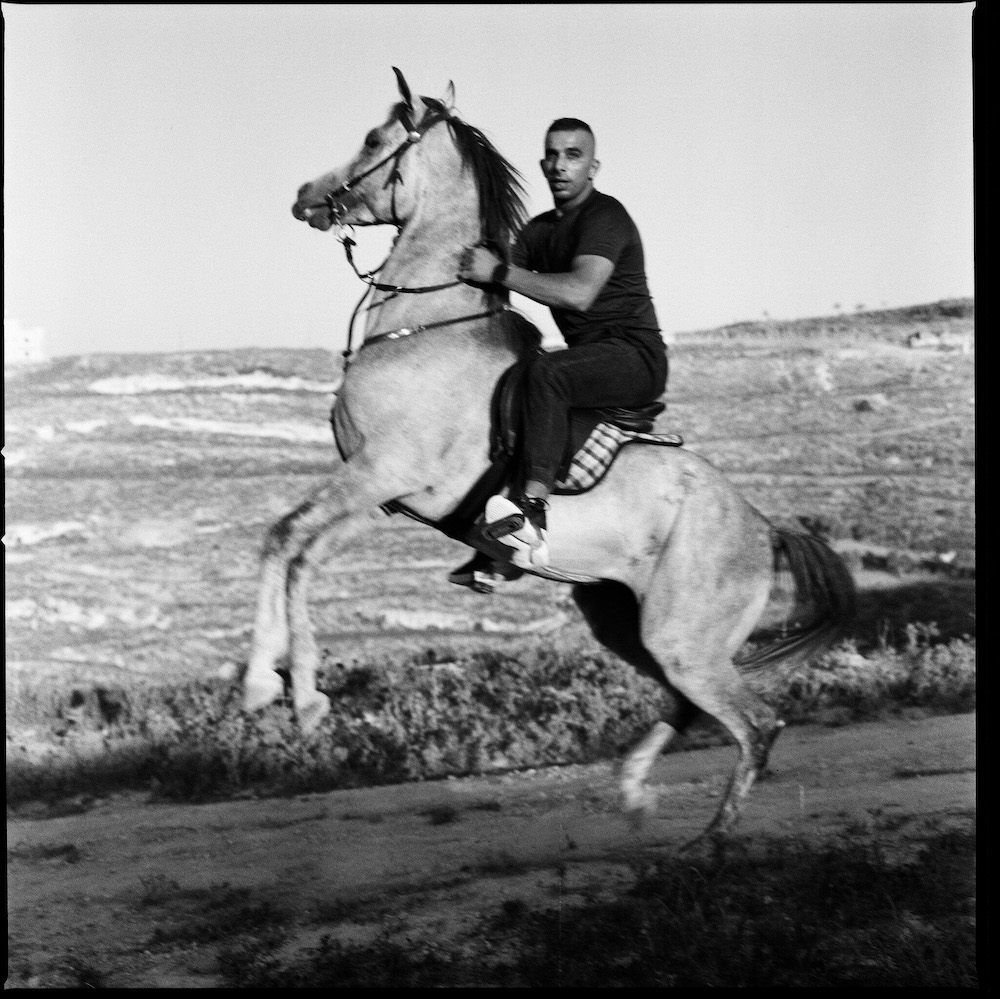
Adding a literary dimension to the experience, the exhibition includes a poetic contribution by Yahya Al Hamarna, whose words act as a connective tissue between the images, offering emotional cadence and narrative depth.
More than a reaction to any single political moment, ‘Ard stands as a gesture of respect for Palestinians martyred from 1948 to the present day, as well as an act of solidarity with those who continue to fight for liberation both within Palestine and across the diaspora. It is a collective archive of memory, resilience and radical tenderness.
At its core, the exhibition is also a testament to the power of curation. With her background in SWANA arts, migration and environmental narratives, Dalia Al-Dujaili brings together artists whose works do more than depict: they witness, honour and reimagine. Through careful selection and spatial storytelling, she constructs a shared visual narrative that challenges reductive representations and instead returns viewers to the emotional and physical landscapes that define Palestinian life.
‘Ard: To Belong to Land is a reclamation of story; a reminder that land can hold memory, that resistance can be quiet, and that photography can become a form of collective healing. In Milan, far from the olive trees and stone terraces that fill these images, the exhibition creates a space where Palestine can be seen, felt and remembered with clarity and tenderness.
See it Gola Galleria
Via Emilio Gola, 5
Milan, Italy

.png)