With The Em Sherif Art Foundation, Sherif Hayek Is Giving Lebanese Art a Seat at the Table
Em Sherif has spent years taking Lebanese food, hospitality and that unmistakable sense of generosity well beyond Lebanon. Now, the family behind it wants Lebanese art to travel with it.Founded by Chef Mireille Hayek and her brother Dani Chakour, and curated by Sherif Hayek, the Em Sherif Art Foundation is a non-profit initiative created to support Lebanese artists and introduce their work to audiences internationally.
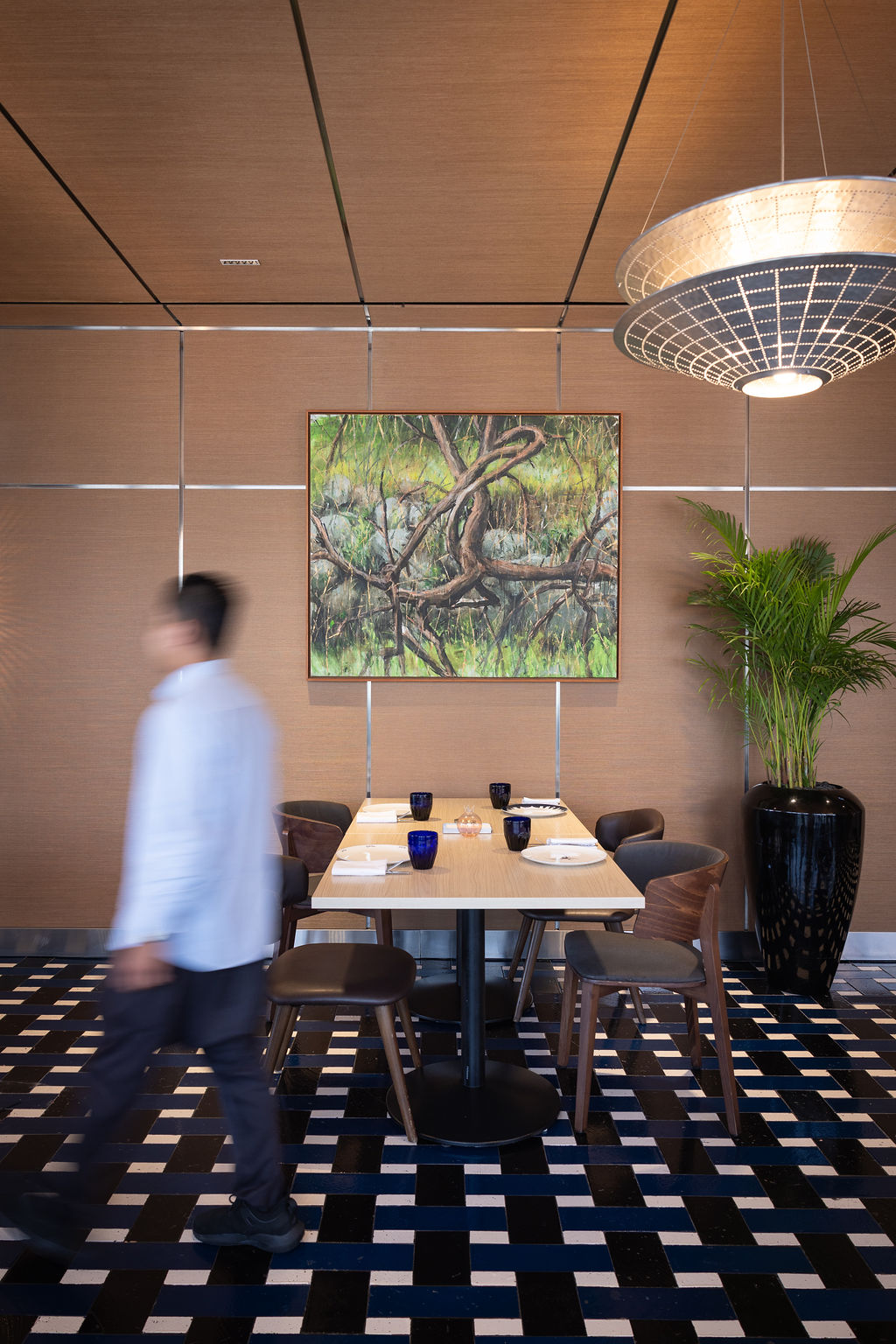
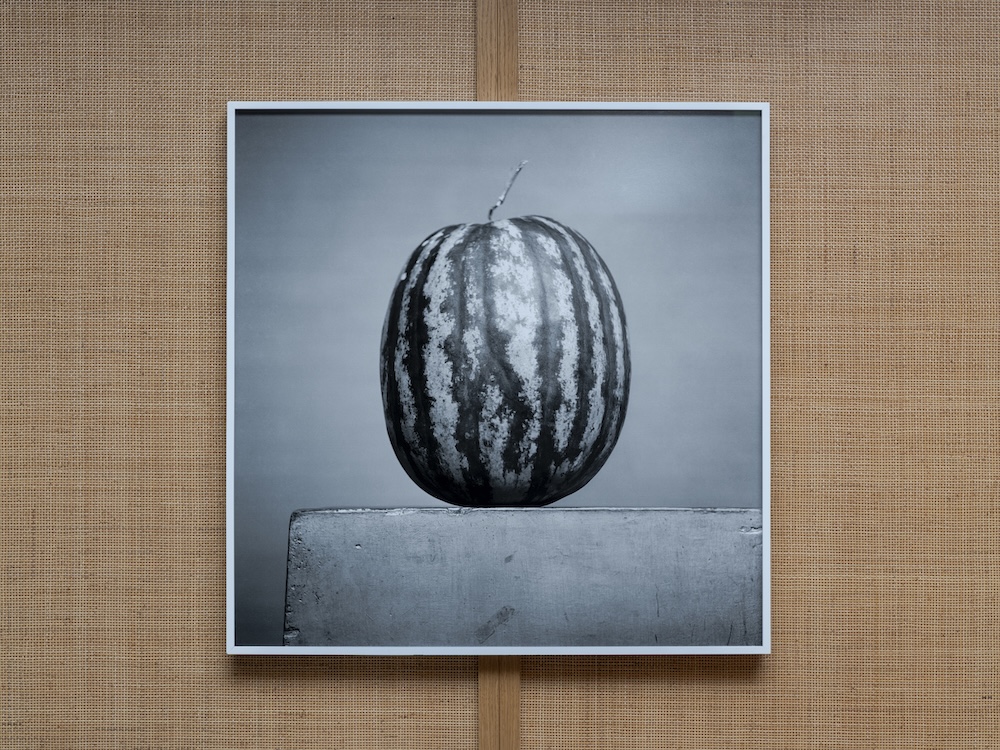
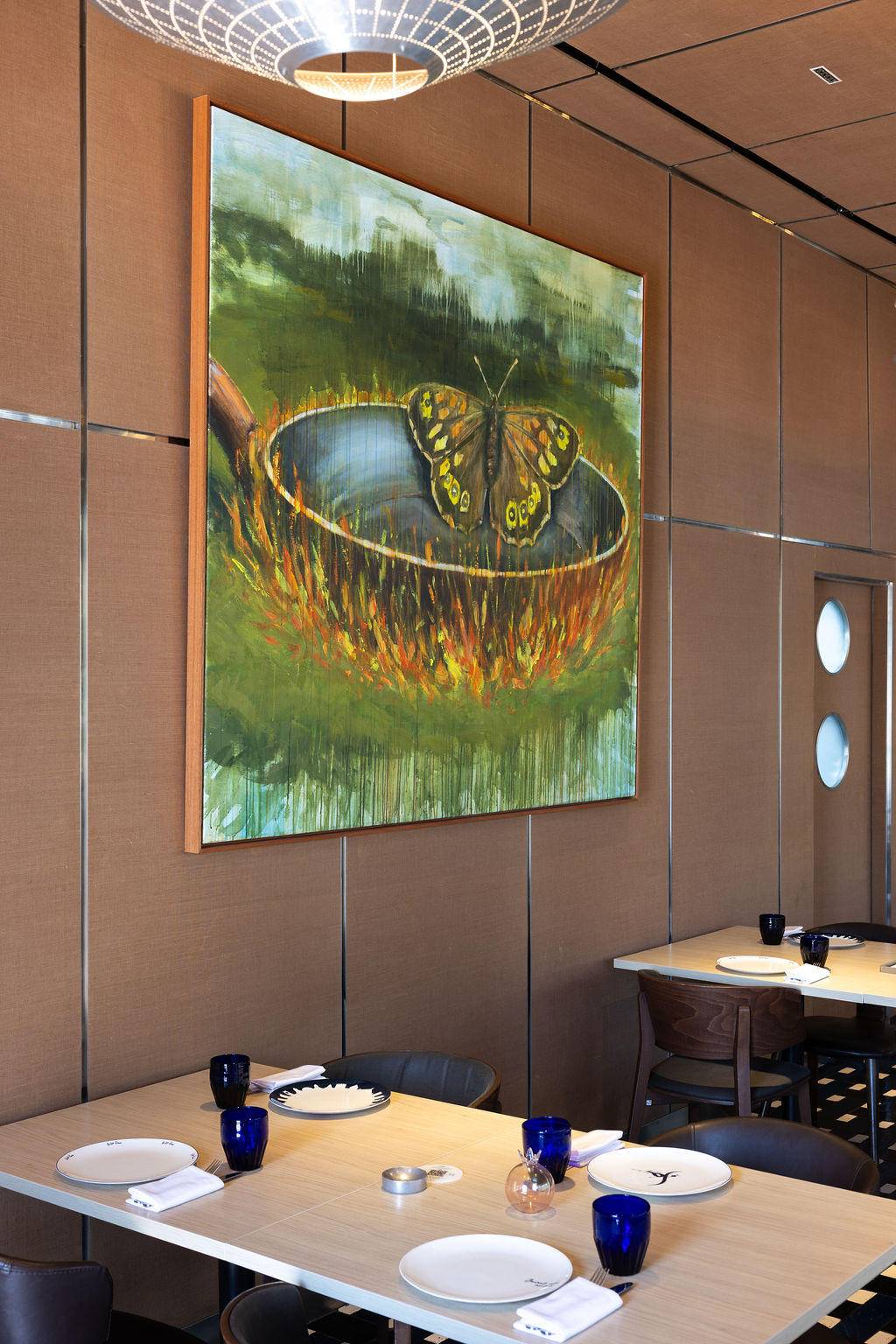
The idea is beautifully straightforward: use Em Sherif’s growing network of restaurants as cultural spaces too, bringing art into the same environment in which people are already gathering around Lebanese food and culture. The Foundation made its international debut in Paris with Lebanese photographer Ziad Antar, and in September 2026 opened its first Lebanese outpost at Beirut’s Sursock Museum, bringing the project home to one of the city's most important cultural landmarks. The Beirut presentation includes works by Hussein Madi, one of Lebanon’s major modern artists, while the restaurant itself brings together contemporary design and Lebanese craftsmanship, conceived as a living space where food, art and design can coexist.
For Sherif Hayek, Managing Director of the Foundation, the connection is a personal one. “Art has always been a big part of my life, and I studied contemporary art in London,” he tells JDEED. “As Em Sherif grew internationally, it felt natural to connect these two worlds.”
What emerged was an opportunity to use an existing international audience for something beyond hospitality: “The foundation came from the idea of using Em Sherif’s global platform to support Lebanese artists and give them greater international visibility.”
Showing art inside a restaurant fundamentally changes the way people encounter it. There is no decision to visit an exhibition, no gallery threshold to cross and no expectation that the person sitting down for dinner already knows anything about contemporary art. For Hayek, that informality is precisely the appeal: “It makes the encounter with art much more spontaneous,” he says. “People come to eat, meet and celebrate, and at the same time they discover Lebanese artists(...) It allows art to live in a social environment and reach audiences beyond the traditional gallery setting.”
.jpg)
The Foundation describes its mission in similarly international terms: partnering with Em Sherif locations to introduce Lebanese talent to new audiences while contributing to the cultural conversation of each city. The artworks can be viewed while dining, making the exhibition part of the experience rather than a separate cultural appointment.
Food and hospitality have long been among Lebanon's most recognisable cultural exports and Em Sherif is simply making room at the table for another part of that creative identity.
“They Need Visibility, Opportunities and Long-Term Support”
Hayek is equally clear that visibility alone isn't enough. Asked what Lebanese artists need most right now, he doesn't hesitate: “I think they need visibility, opportunities and long-term support (...) Lebanon has incredible creative talent but a fragile cultural infrastructure,” he continues. “The foundation can help by acquiring works, supporting artists financially and presenting their work internationally.”
That distinction matters: the ambition isn't simply to decorate restaurants with Lebanese artwork or provide artists with a temporary moment of exposure. Hayek sees the Foundation as something capable of creating tangible support through acquisitions and international presentation.
And he doesn't want to prescribe what qualifies as sufficiently “Lebanese” in the process: “The focus is Lebanese art, but I don’t want to define what Lebanese art should look like,” he says; “The work doesn’t necessarily have to speak directly about Lebanon. What matters is the strength of the artist’s practice.”
He is also interested in what happens when different generations are placed in conversation with one another: “I want the foundation to create a dialogue between established and emerging generations.”
It is an important position for a platform presenting Lebanese creativity internationally. Artists aren't being asked to perform an easily recognisable version of Lebanese identity for an overseas audience; the practice comes first.
From Amine El Bacha in Madrid to Ziad Antar in Paris
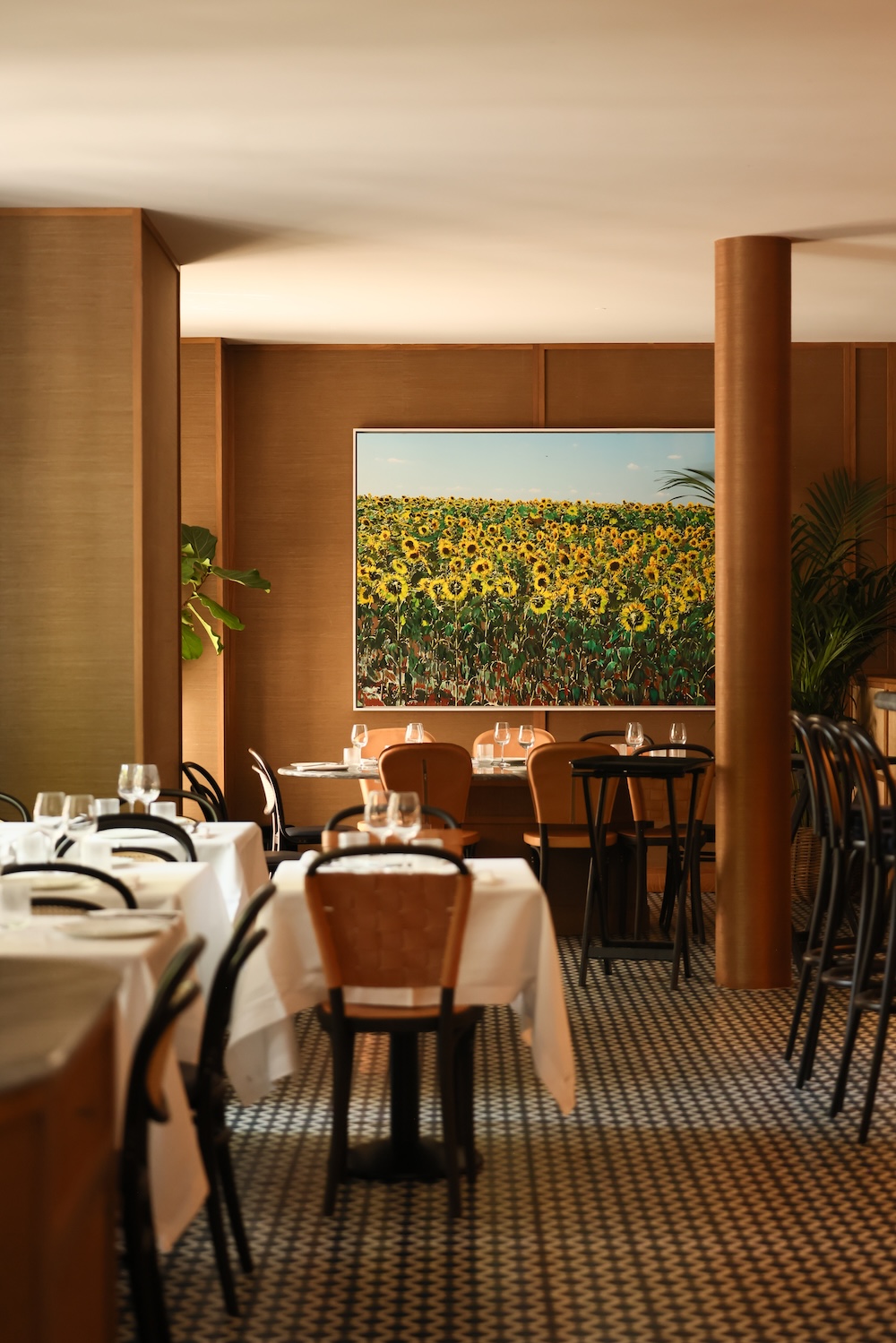
That approach is already visible in the artists being presented. “Each city is an opportunity to create a different dialogue,” Hayek explains.
“In Madrid, we are presenting Amine El Bacha, one of the major figures of Lebanese modern art. In Paris, we are showing Ziad Antar, whose work explores place, memory and Lebanon’s changing landscape.” The choice immediately demonstrates the generational conversation Hayek is interested in creating, moving between Lebanese modernism and contemporary practices rather than establishing a single visual identity for the Foundation.
But it is his final sentence that perhaps captures the project most neatly: “The idea is that as Em Sherif travels, Lebanese art travels with it.”
The Foundation's model gives that idea unusual reach. Instead of asking an audience to come specifically looking for Lebanese art, the art arrives where the audience already is.
The Restaurants Are Only the Beginning
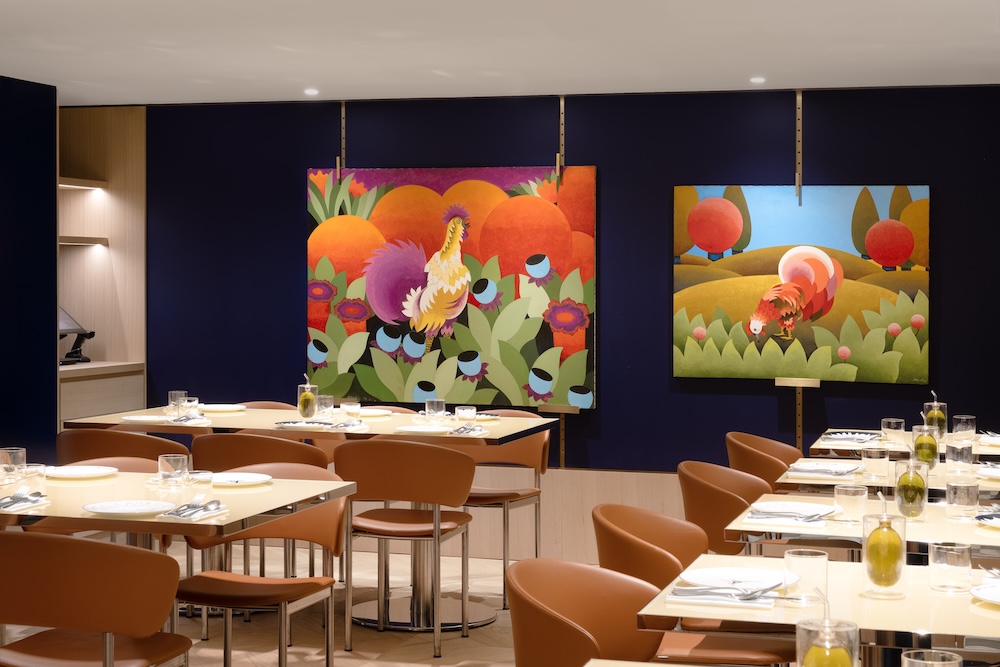
Hayek is already thinking beyond the walls of Em Sherif: “The restaurants are the starting point, not the limit,” he tells us. “Over time, I see the foundation developing exhibitions, commissions, institutional collaborations and potentially residencies.”
The ultimate ambition is considerably larger: “to build a serious platform for Lebanese art internationally while remaining strongly connected to Lebanon.”
That last part may prove the most important. International visibility can easily become the end goal when discussing artists from Lebanon and the wider region. Hayek's proposition is more interesting when viewed as a two-way relationship: giving Lebanese artists access to international audiences while ensuring the platform remains rooted in the ecosystem it is supposed to support. For now, though, the restaurants offer an unusually accessible place to begin.
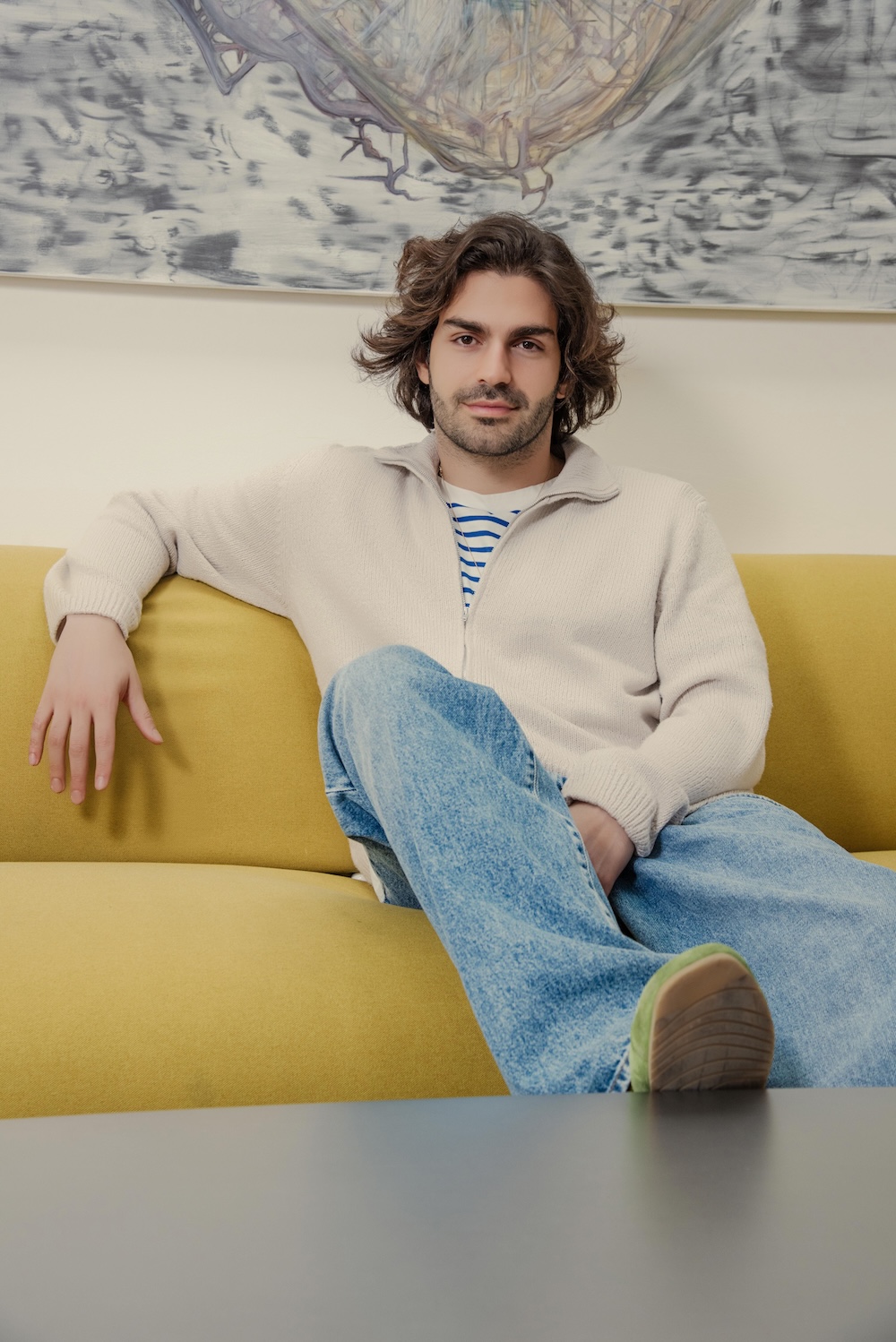
You might arrive knowing the menu by heart and nothing about the artist on the wall. You might discover a work between courses, ask who made it and find yourself looking up an artist you hadn't encountered before. And that spontaneity is exactly what Hayek wants; as he puts it, “People come to eat, meet and celebrate, and at the same time they discover Lebanese artists.”
Sometimes cultural discovery doesn't require walking into a museum, it can also happen over dinner.
More on Emsherif-Art.com

.png)