Catching Up With Kayla Itsines: Discussing Her New Ambassadorship With SIRO, Fitness & Why Recovery Matters More Than Ever.
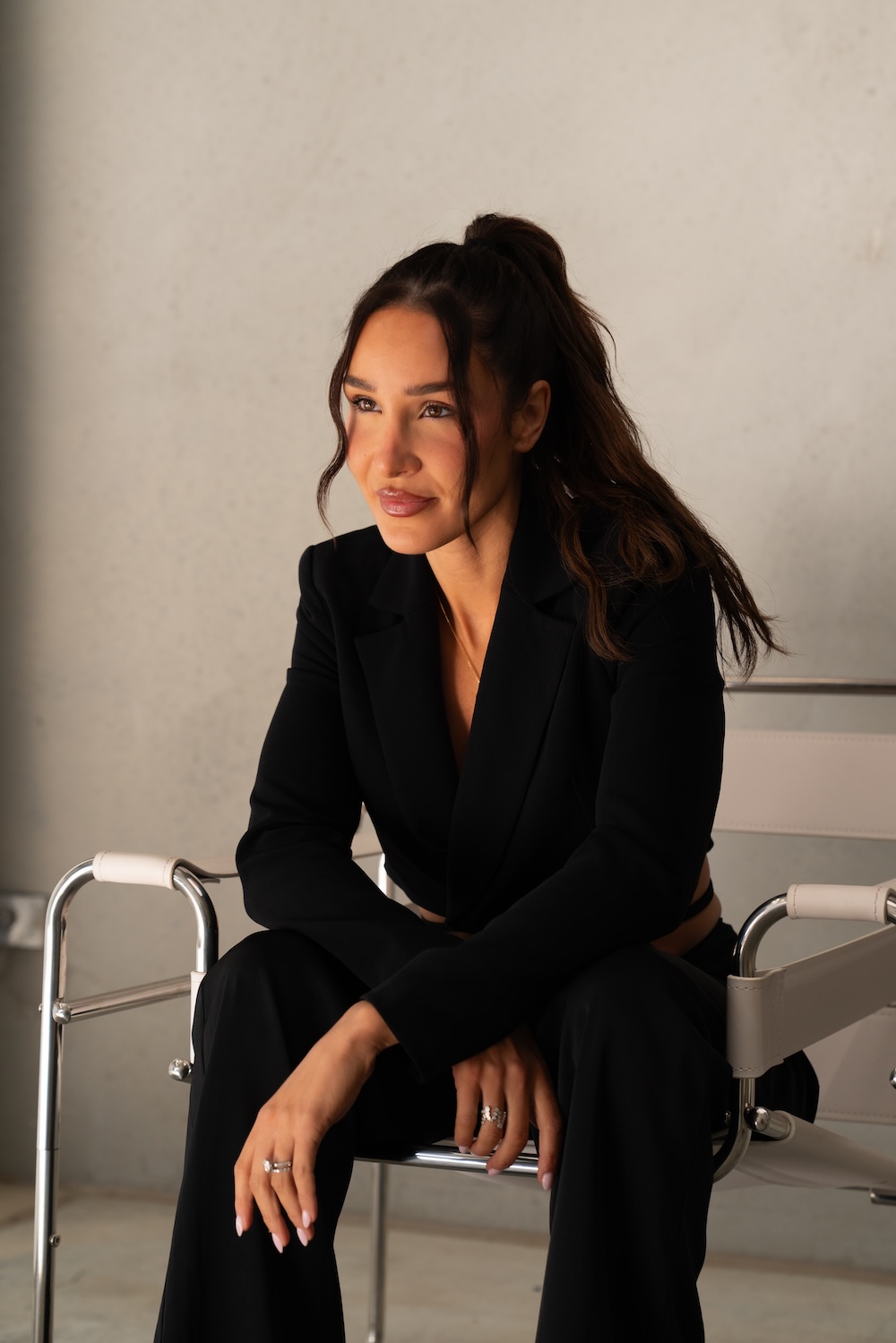
As the Australian fitness entrepreneur becomes one of SIRO's newest global ambassadors, JDEED sits down with her to talk about the changing meaning of fitness, the importance of recovery, and why women need to stop chasing perfection.
When did wellness become so exhausting? Between tracking our steps, squeezing in workouts, monitoring our sleep, worrying about protein intake and trying to maintain a morning routine worthy of Instagram, looking after ourselves has somehow turned into another full-time job.
And if there's anyone who understands how much the fitness conversation has changed over the years, it's Kayla Itsines.
The Australian fitness entrepreneur, founder of Sweat and one of the most recognisable names in women's fitness has spent more than a decade encouraging women around the world to get moving. But these days, her approach to wellbeing looks a little different.
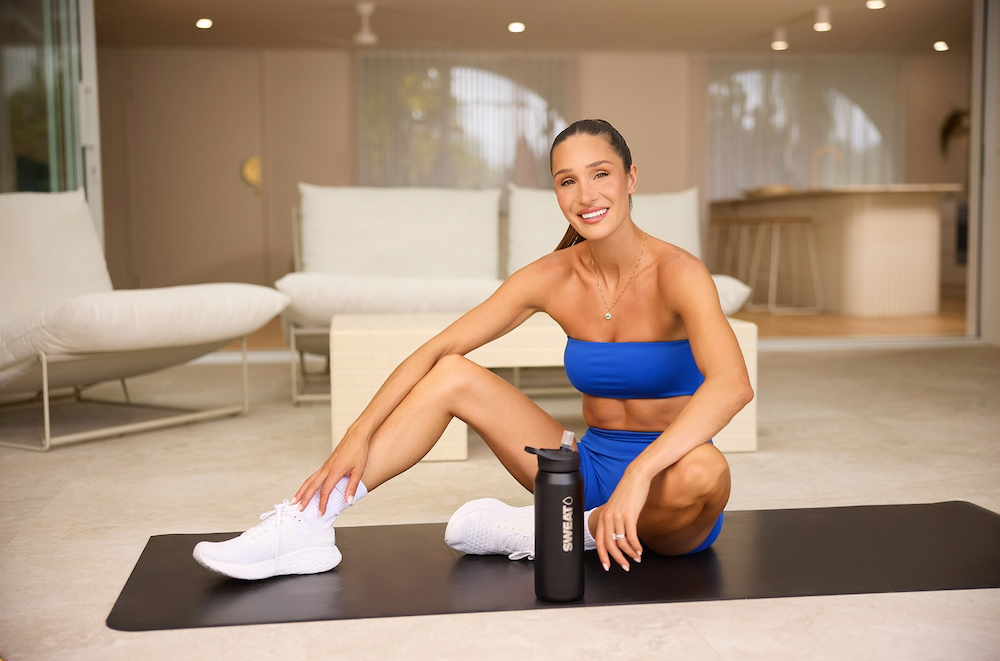
Itsines has joined Team SIRO as a global brand ambassador, becoming part of the fitness and wellness-focused hospitality brand's growing community of athletes and experts. Alongside Major League Baseball player Jason Heyward, she is helping champion an approach to wellbeing that goes beyond the gym, bringing together fitness, sleep, recovery, nutrition and mindfulness.
For Itsines, the partnership feels like a natural next chapter: “Helping women feel strong and confident has always been at the centre of what I do. But as my own life has changed, my understanding of fitness has grown, too,” she tells JDEED.
“As a mother and business owner, I want my training to support my life. I want to have energy for my kids, feel strong and look after my health for the long term. The workout is still important, but so is how I feel for the rest of the day.”
It's a perspective that sits at the centre of SIRO's philosophy: performance isn't simply about how hard you train, but how well you look after yourself between workouts: “That's one of the reasons I connected with SIRO. Their approach brings training, sleep, nutrition and recovery together. It reflects the way I think about fitness now: looking at all the things that help you feel well, rather than just what happens in the gym.”
"I want women to feel comfortable making those choices without feeling guilty or thinking they haven't done enough.”
A New Chapter With SIRO
Part of Kerzner International, SIRO Hotels, Homes and Fitness Labs is built around five pillars: fitness, nutrition, sleep, recovery and mindfulness.
With destinations in Dubai and Porto Montenegro, and further openings planned in cities including Miami, Riyadh, Tokyo and Los Cabos, the brand is approaching hospitality through the lens of wellbeing, with spaces and experiences designed to help people maintain their routines while travelling. Itsines' new role will see her collaborate with SIRO on exclusive wellness experiences and content, with a particular focus on women's strength, recovery, longevity and sustainable healthy habits.
But what makes the partnership interesting is the conversation it opens up about the future of fitness. For years, we've been told to push harder, train longer and squeeze more into our days. Now, one of the industry's most influential voices is encouraging women to rethink that mentality.
Why Doing More Isn't Always Doing Better
“It can be easy to think that if a workout is good for you, doing more must be better. But you also need to give your body time to recover,” Itsines explains.
It's something she's come to understand more deeply as her own relationship with fitness has evolved: “You can train really hard, but if you're not sleeping enough or you're feeling exhausted, adding another session isn't always the most helpful thing.”
For anyone who has ever felt guilty about skipping a workout, her next point is worth remembering: “I see recovery as part of your training. Taking a rest day, going for a walk or getting an earlier night can all support your progress. I want women to feel comfortable making those choices without feeling guilty or thinking they haven't done enough.”
It's also where her personal philosophy and SIRO's approach come together. Rather than treating recovery as something reserved for professional athletes, the brand places it alongside training, nutrition and sleep as an essential part of everyday wellbeing.
As a matter of fact, being fit shouldn't mean being permanently exhausted.
The Fitness Industry Has Been Getting Women Wrong
When we ask Itsines what the fitness industry has misunderstood about women, she doesn't hesitate: “That we don't all have the same goals, needs or lives. What works for one woman might not work for another, and what works for you now might change in a few years.”
It's a simple observation, but one that challenges the endless stream of universal fitness advice we're confronted with daily. The perfect workout. The perfect routine. The perfect body.
As if everyone has the same schedule, the same responsibilities or even the same definition of feeling good. “That's something we really focus on at Sweat: helping women build strength, confidence and consistency through movement, no matter where they are in their fitness journey.”
And the conversation extends beyond exercise: “I'm passionate about ensuring women feel supported through every stage of life, women deserve training options that recognise the stage they're in and meet their needs accordingly.”
Through her collaboration with SIRO, Itsines hopes to bring greater attention to women's changing needs, particularly when it comes to training, recovery and long-term health: “I want women to feel that there's an option for them, rather than feeling they have to keep up with someone else's routine. There isn't one way to train or one definition of being fit.”
She adds: “That also connects with what I appreciate about SIRO. Their approach considers what happens beyond your workout, including sleep, nutrition and recovery. Those things matter when we're talking about supporting women's health.”
“I'd also remind women that having a difficult week doesn't mean they've failed. You can adjust your routine and keep going(...)”
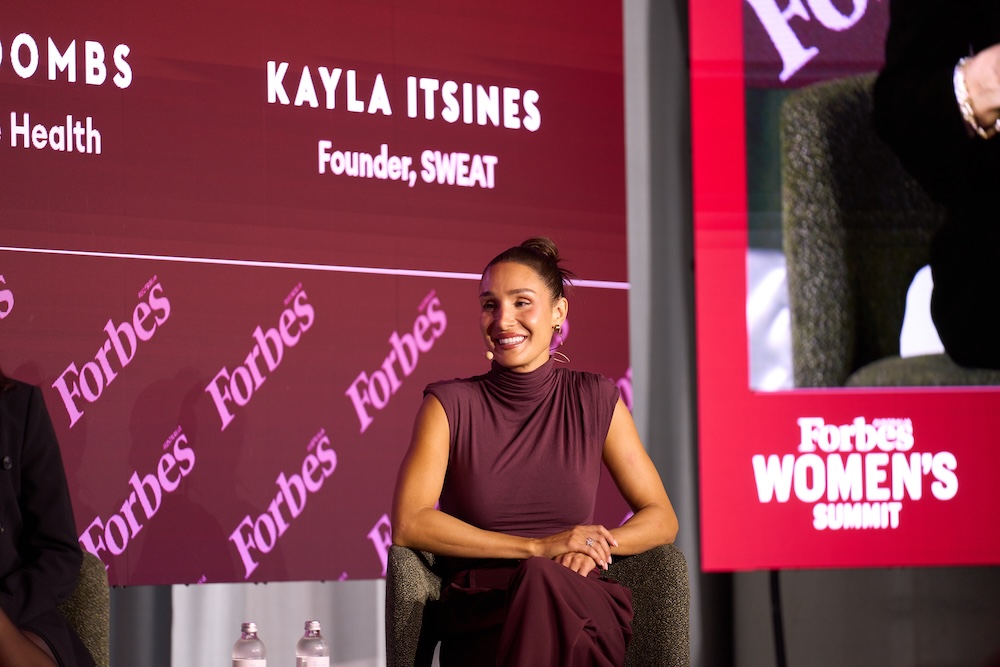
Of course, the irony of the wellness industry is that something designed to make us feel better can occasionally leave us feeling considerably worse. Especially when social media makes everyone else's routine look so effortless.
We ask Itsines what she'd say to women who feel like they're constantly falling short of their wellness goals. Her answer? “Start smaller. You don't need to change your whole life at once or follow someone else's morning routine to look after yourself.”
A welcome reminder, particularly when our feeds are filled with people who seem to have completed an entire day's worth of activities before we've had our first coffee.
“Social media can make it feel like everyone is doing everything perfectly. But you're only seeing a small part of someone's day. You don't know what support they have or what else is happening in their life.”
Her advice? Forget the elaborate routines and start with something that actually fits into your life.
“Look at what's realistic for you right now. That might be a short workout, a walk or making more time for sleep. Choose something you can build on, rather than setting yourself a routine that feels impossible to maintain.”
And if life gets in the way? “I'd also remind women that having a difficult week doesn't mean they've failed. You can adjust your routine and keep going. Looking after your health should help you feel better, rather than become another source of pressure.” We couldn't agree more.
Do We Really Need to Track Everything?
From smartwatches to sleep scores and recovery metrics, we've never had access to so much information about our bodies.vBut when does useful information turn into another obsession?
“Tracking can be really useful when it helps you understand yourself better. Wearables can give you a clearer picture of your activity, sleep and recovery, and help you notice patterns you might otherwise miss,” Itsines explains.
The important thing, she believes, is not to let the numbers take over. “If you're tired, that matters. If tracking starts making you anxious or you feel like you have to hit every number every day, it's worth stepping back and thinking about what's helpful for you.”
In other words, your smartwatch doesn't always get the final say. “You don't need to measure everything to make progress. Moving regularly, eating well, getting enough sleep and allowing time for recovery are still the foundations.”
And while SIRO's philosophy brings together different elements of performance and wellbeing, Itsines is clear that the goal shouldn't be to make taking care of ourselves more complicated. “For me, technology is most useful when it helps you make decisions and build habits that work for your life,” she adds.
Before ending our conversation, we ask Itsines one final question. If women could stop obsessing over one thing and start prioritising something else, what would she choose?
Her answer is refreshingly straightforward. “I'd say stop chasing perfection and prioritise consistency.”
Not the perfect workout or perfect morning routine or the perfect version of ourselves. Just consistency.
“You don't need the perfect workout or an uninterrupted hour to make training worthwhile. A shorter session that fits into your day can be much easier to keep coming back to.”
It's an idea that also shapes her work with Sweat and her new chapter with SIRO: creating approaches to wellbeing that can adapt to real life, rather than expecting people to organise their entire lives around fitness.
“What I like about SIRO's approach is that it recognises the role of sleep, nutrition and recovery alongside movement. Looking after yourself involves more than fitting in a workout.”
And that's one very interesting thing about Itsines' latest move; after years of helping women find their strength through exercise, she's now helping broaden the conversation around what it means to feel strong in the first place. Because, as she puts it: “Consistency doesn't mean doing exactly the same thing every day. It means finding ways to keep looking after yourself, and being willing to adjust when life changes.”
Now that's a philosophy we can certainly get behind.
More on KaylaItsines.com and Sirohotels.com

More news