Beyond the Perfect Smile With Dr. Edoardo Felici of Apa Aesthetic Dubai
For a long time, cosmetic dentistry seemed to be moving towards one very recognisable ideal: straight, symmetrical and extremely white. Spend enough time scrolling through social media and you probably know the smile we mean.
But our relationship with beauty is changing, and for Dr. Edoardo Felici of Apa Aesthetic in Dubai, the future of aesthetic dentistry is much more individual.
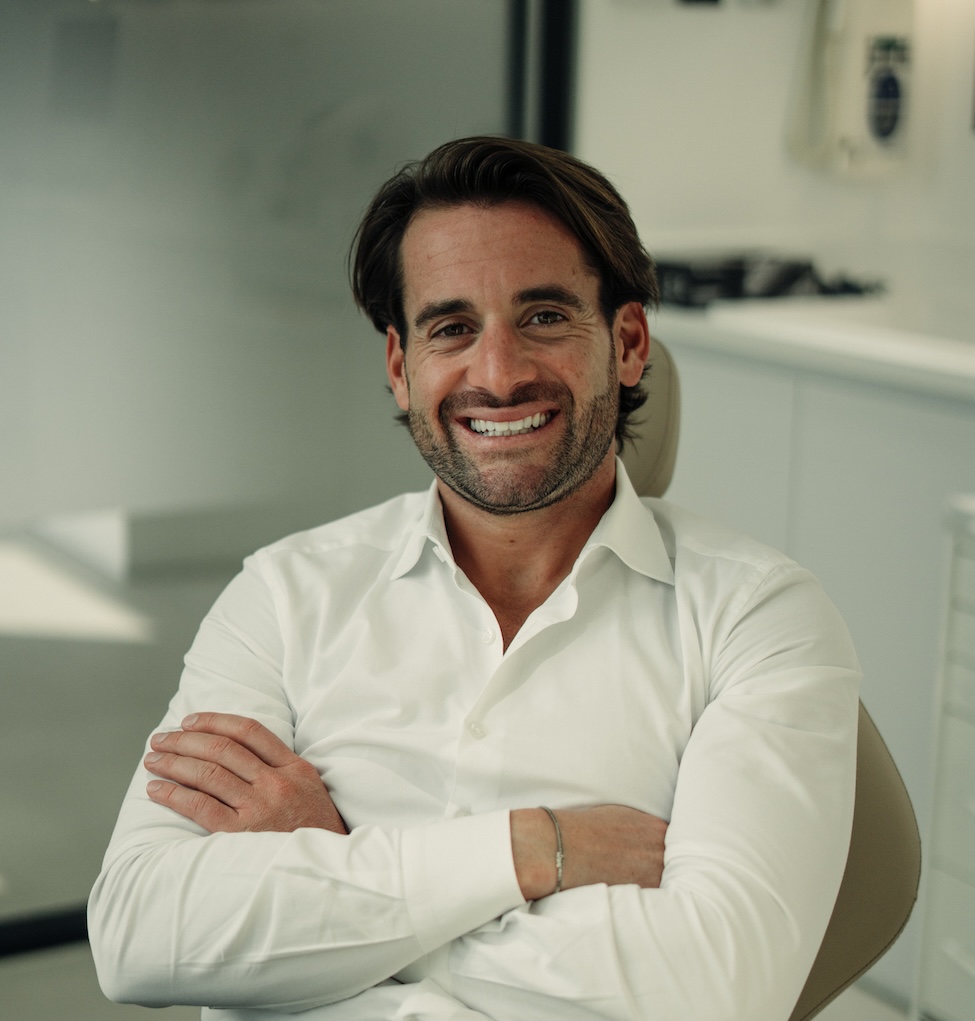
Having grown up in a family of dentists before building a career that took him through Madrid, Rome and Milan and eventually to Dubai, Felici has encountered very different ideas of what makes someone beautiful. Today, rather than creating a signature smile that can be recognised as his work, he is interested in something subtler: creating teeth that feel as though they have always belonged to the person wearing them.
We spoke to him about growing up surrounded by dentistry, what different cultures have taught him about beauty, why perfectly uniform veneers aren't necessarily the answer and, yes, whether your lipstick really can make your teeth look whiter.
.jpeg)
Dentistry was part of Felici's world long before it became his profession. “Growing up in a family of dentists, I was fortunate to be surrounded by incredible role models from the very beginning. My father and my older brother were my first mentors, and having the opportunity to learn from them gave me a broad understanding of the profession long before I started building my own career.”
Rather than feeling pressure to simply continue the family profession in the same way, he says he was given room to find his own place within it.
“Rather than feeling obliged to follow a predetermined path, I was encouraged to explore the area of dentistry that brought me the most passion, which ultimately became aesthetic dentistry.”
“Our objective is harmony, not perfection.”
It's also something that informs the advice he gives younger dentists now. “Don’t worry about finding your niche immediately. Build strong foundations, stay curious, seek mentors who genuinely challenge you, and never stop learning. Your career isn’t defined by where you start, but by the commitment you bring to improving every single day.”
Moving between cities gave Felici an interesting education in how differently beauty can be understood. “Every city taught me something different,” he says. “Italy gave me an appreciation for proportion, elegance, craftsmanship and timeless beauty. In Europe, I experienced a more expressive and emotional approach to aesthetics. Dubai introduced me to patients from every continent, each bringing different cultural expectations and personal definitions of beauty.”
That last point is particularly interesting in a city like Dubai, where patients arrive with different cultural references and ideas of what they want to look like. For Felici, it has reinforced a belief that aesthetic dentistry shouldn't be about reproducing the same teeth from one face to another. “There is no universal ‘perfect smile.’ A smile only feels authentic when it belongs naturally to the person’s face and personality.”
“Today, my goal isn’t to create smiles that look recognisable as my work. It’s to create smiles that simply look like they have always belonged to that individual.”
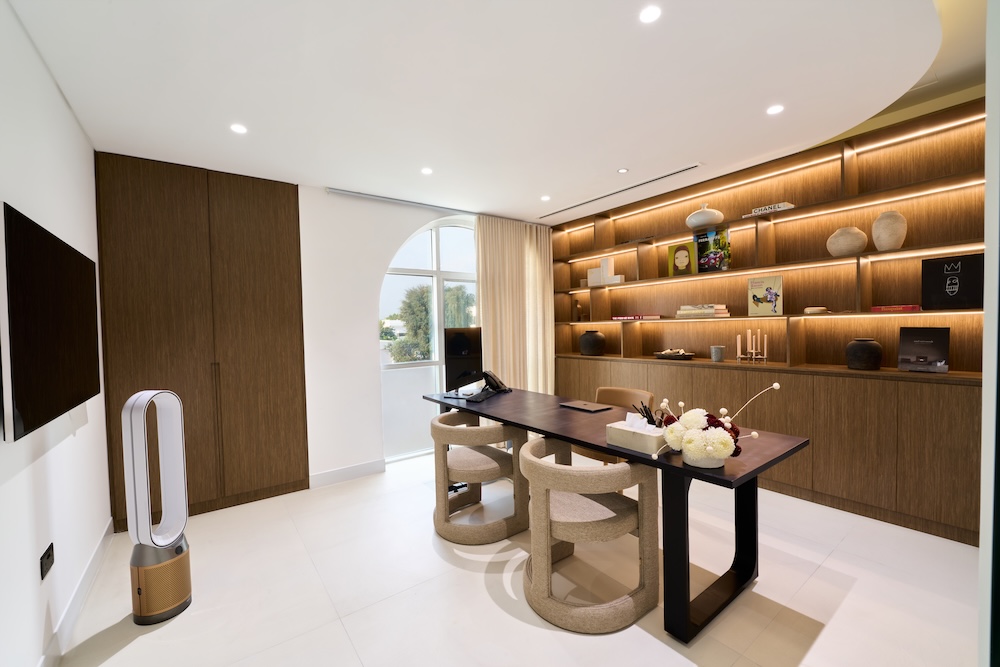
At Apa Aesthetic, that means starting with the entire face rather than immediately looking at individual teeth. “The smile should never be designed in isolation. Teeth are only one element of a much larger composition,” Felici explains.
“Before thinking about veneers or tooth shape, we analyse facial proportions, lip dynamics, age, skin tone, facial movement and the patient’s personality. The same tooth can look completely different on two different faces.”
It's also why he rejects the idea that there is one ideal veneer shape or even one ideal shade of white.
“Sometimes the most beautiful result comes from making the teeth slightly softer, slightly warmer or slightly more textured rather than perfectly white and uniform. Natural teeth have depth, translucency and individuality, and preserving those characteristics is often what makes a smile truly elegant.”
His approach comes down to one simple idea: “Our objective is harmony, not perfection.”
Beauty doesn't stop at the dentist's chair either. The colours we wear around our faces can change the way our teeth are perceived, which brings us to that old beauty trick about red lipstick.
“Yes; it is a genuine optical effect based on colour theory,” Felici confirms. “Lipsticks with cool, blue-based undertones create visual contrast against the natural yellow tones found in enamel, making teeth appear brighter and whiter. Blue-reds, berry shades and cooler pinks tend to produce this effect most consistently.”
Orange, coral and warm brown undertones can have the opposite effect by making naturally warmer pigmentation more noticeable. “The colour of the lipstick isn’t changing the teeth themselves; it’s simply changing the way our eyes perceive them.”
But even here, Felici isn't interested in universal beauty rules. Natural enamel varies in translucency, internal colour, brightness and texture, while veneers themselves can differ according to their material and fabrication. Skin tone and undertones enter the equation too. “The most flattering result always comes from considering the face as a whole rather than following a single beauty rule.”
And perhaps that sentence says more about Felici's approach than any discussion about veneers or lipstick could.
In an aesthetic landscape that has spent years giving us templates for what our teeth, lips, noses and faces are supposed to look like, his philosophy feels refreshingly simple: your smile doesn't need to look perfect. It needs to look like it belongs to you.
Discover more about Apa Aesthetic Dubai and schedule a consultation, click here.
For a perfect cleaning and whitening, we recommend doctor



.png)