Aswatna Is Creating a Home for Palestinian Artists
For Palestinian artists, being seen is only part of the equation. Having the infrastructure, representation and freedom to build a sustainable creative career on your own terms matters just as much.
That idea sits at the heart of Aswatna, a Palestinian-owned talent agency founded by Nour to represent and uplift Palestinian artists while creating new pathways for their work to reach international audiences. Meaning “Our Voices” in Arabic, Aswatna works across artist management, bookings, branding and cultural programming, with a focus on helping Palestinian creatives grow without disconnecting them from their values or communities.
“Aswatna is about building pathways for Palestinian creativity to thrive with integrity,” explains Nour. Her ambition is ultimately much bigger than representation alone: to see Palestinian art “powerfully positioned on the world stage,” changing perceptions of Palestine through the creativity and imagination of its people. It feels particularly important at a time when Palestinian artists are increasingly present within global cultural conversations, yet the structures supporting those artists don't necessarily evolve at the same pace.
“Palestinian artists hold extraordinary creative power, but too often they have had to navigate industries without the support systems needed to grow,” says Nour. “We created Aswatna to be a home for Palestinian artists, a space where they are supported, represented, and connected to opportunities that honor both their craft and their values.”
That commitment extends to where and how its artists are represented. As a Palestinian-owned and operated agency, Aswatna carefully vets the venues, festivals, cultural institutions and collaborators it works with, ensuring partnerships align with the ethical principles of the artists themselves.
Next Stop: London
That philosophy will soon take physical form with the Aswatna Showcase, an evening dedicated entirely to Palestinian music, visual art, storytelling, food and community, held in the courtyard of Studio 12 in London on August 22nd.
Rather than focusing on one creative discipline, the event brings them together. Live music will sit alongside visual art, Palestinian food, books and independent vendors, creating a space where visitors can discover Palestinian creativity through multiple perspectives. It is an extension of what Aswatna wants to achieve beyond traditional talent representation: curating cultural programmes exclusively featuring Palestinian artists and allowing audiences to encounter Palestinian heritage and contemporary creativity through music, art, storytelling and performance.
At the centre of the visual arts programme will be an exhibition by acclaimed Palestinian artist Malak Mattar, while four Palestinian musicians bring very different sounds and stories to the evening.
Four Artists, Four Very Different Sounds
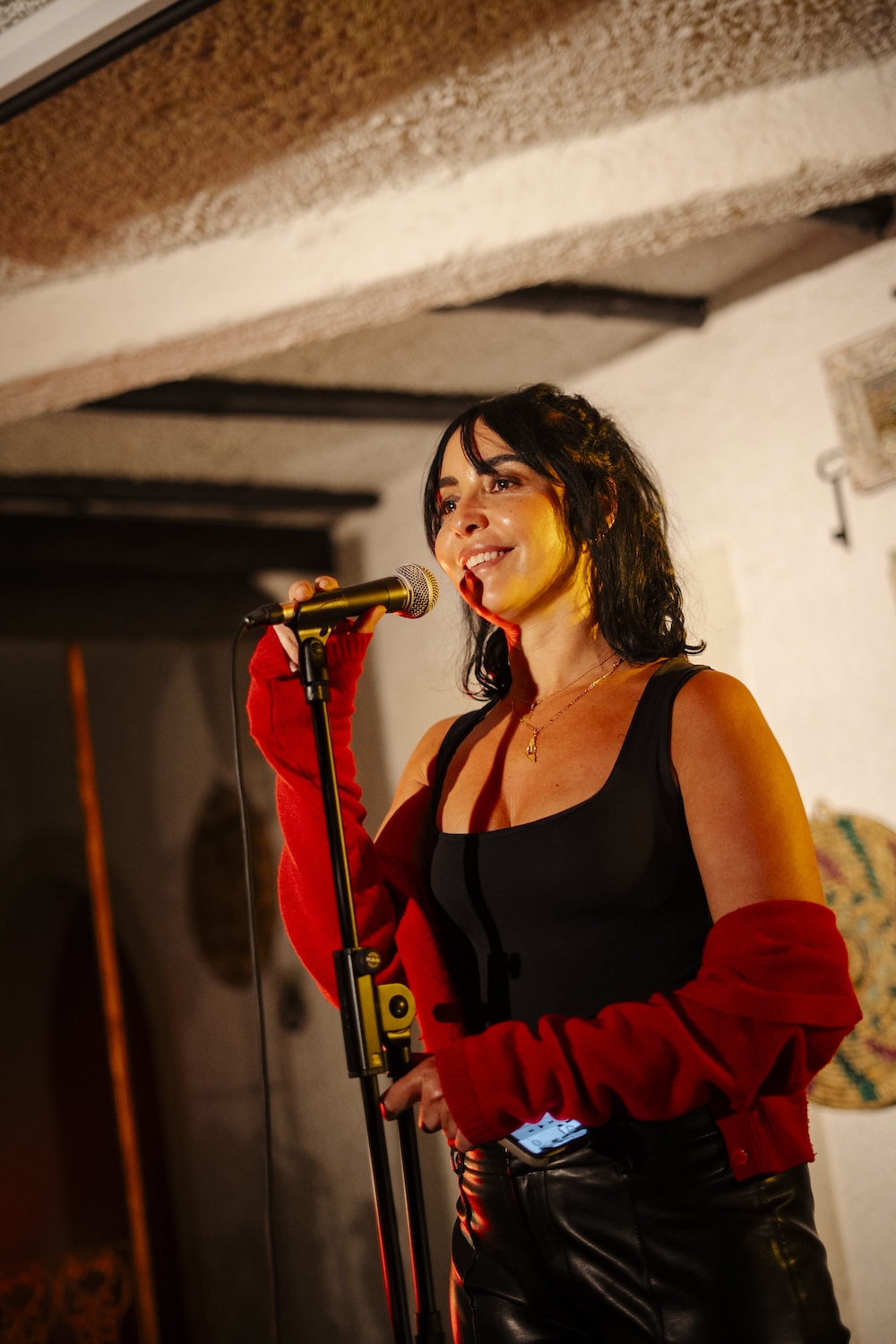
Rawan Roshni will present Palestinian Folklore Reimagined, weaving ancient Palestinian chants, revolutionary anthems and tarweedat with contemporary songs of sumoud. Through live looping, vocals and instrumentation, her performance moves through identity and history, but also grief, resilience and empowerment.
Marwan Halabi, meanwhile, crosses musical borders entirely. The Palestinian singer-songwriter brings Middle Eastern maqams into conversation with Indian ragas, blues, alternative rock and spiritual musical traditions, creating a sound shaped by cultural exchange, reflection and connection.
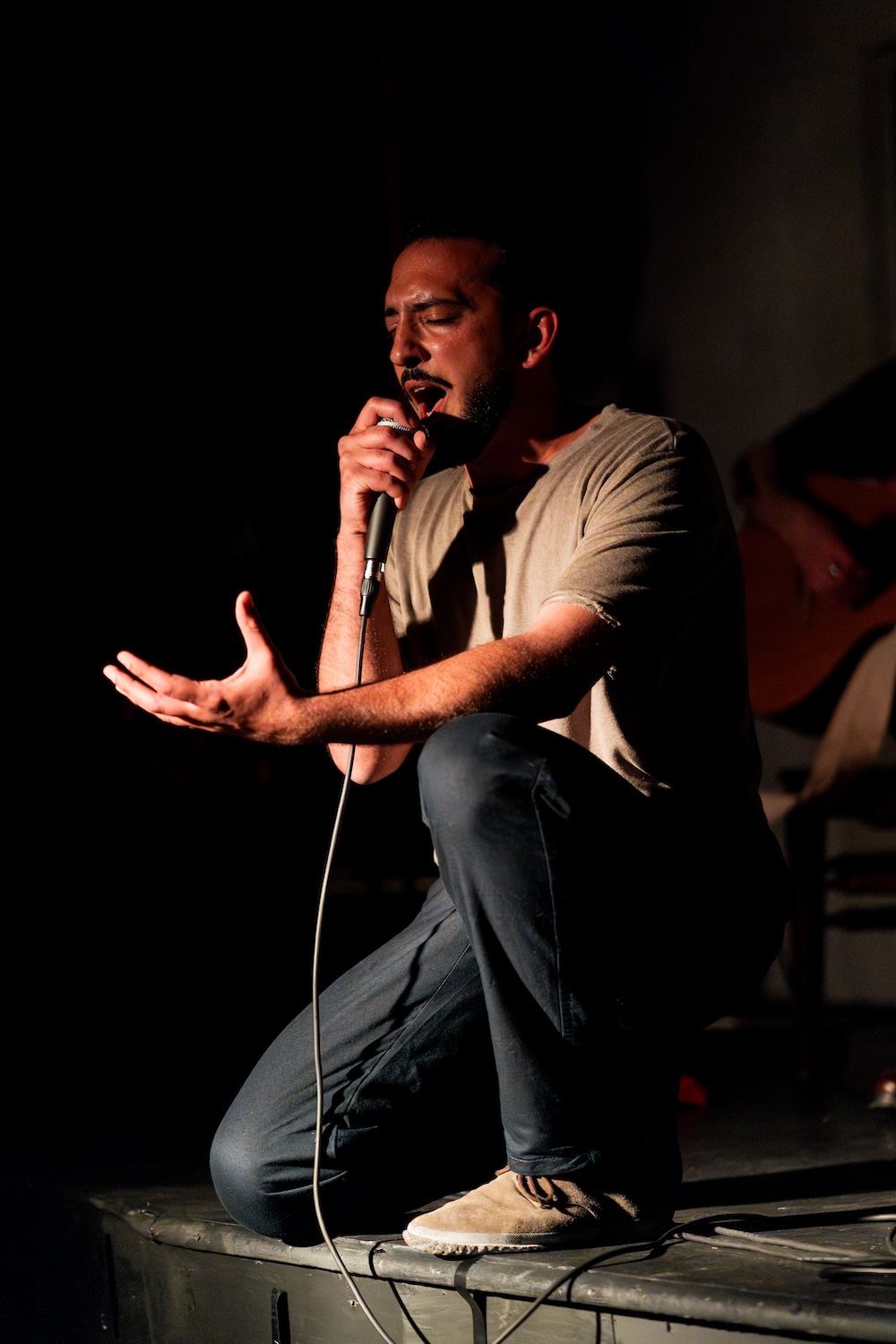
Then there's SAIFAMEE, a Palestinian underground hip-hop artist who has been rapping since he was ten. His music comes directly from lived experience, using deeply personal storytelling to explore justice, spirituality, struggle, motivation and the realities unfolding around him.
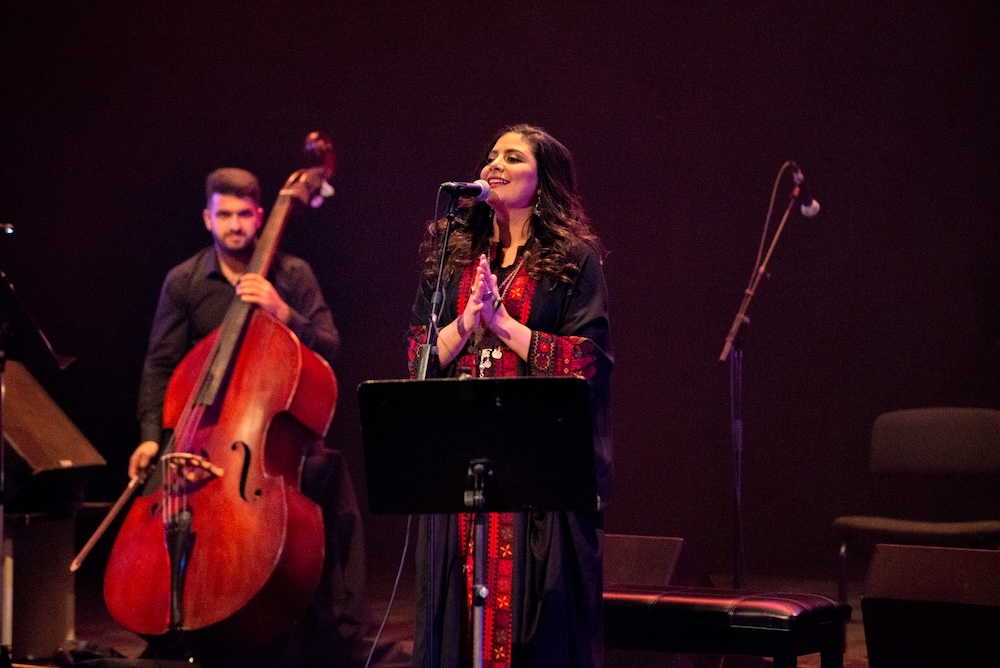
And Yousef Mattar, a Palestinian pianist, arranger and music producer from Gaza, brings a particularly powerful story to the programme. A self-taught musician since childhood, Mattar continued creating while growing up under military blockade and through repeated wars that destroyed his piano and much of the life he had built in Gaza. His music combines Arabic traditions with contemporary influences, exploring identity, resilience, hope and the richness of Palestinian musical culture.
Throughout the evening, the performances and exhibition will be joined by Palestinian food, books and independent vendors, making the showcase as much about gathering and community as it is about watching a performance.
More Than Representation
The agency isn't simply trying to place Palestinian artists within existing cultural structures; its ambition is to help build the support systems around them while simultaneously creating spaces of its own. For Aswatna, representation means “visibility, sustainability, and cultural presence,” with the longer-term vision of Palestinian artists not simply being included in international cultural spaces, but recognised as essential voices shaping them.
The London showcase offers a glimpse of what that can look like: Palestinian culture presented not through one medium, one narrative or one artist, but through a room full of voices, sounds, images, stories and people.
And perhaps the name says it best: Aswatna. Our Voices.
Get your tickets for the London showcase on August 22nd, here

.png)