
Arab Cinema Week Returns to Dubai With Perhaps Its Most Personal Edition Yet
Every year, Arab Cinema Week arrives as a reminder of just how rich and varied contemporary Arab filmmaking has become. While mainstream conversations around the region often remain dominated by politics and conflict, the films selected by Cinema Akil continue to reveal something far more nuanced: deeply personal stories about family, love, memory, displacement, resilience and the everyday realities that shape life across the Arab world.
Returning to Cinema Akil from June 5 to 11, Arab Cinema Week celebrates its fifth edition with a programme that feels particularly timely. Bringing together nine films from ten Arab countries, this year's selection is united by a common thread: an exploration of memory, both personal and collective, and the ways in which individuals continue to navigate identity and belonging amid social, political and emotional upheaval.

What makes this year's programme especially compelling is its strong focus on Lebanese cinema. Several of the featured films engage directly with questions that have long occupied Lebanese artists and filmmakers: how do we preserve memory in a country shaped by repeated cycles of loss, transformation and reinvention? How do we document stories that risk disappearing? And what role can cinema play in safeguarding fragments of personal and collective history?
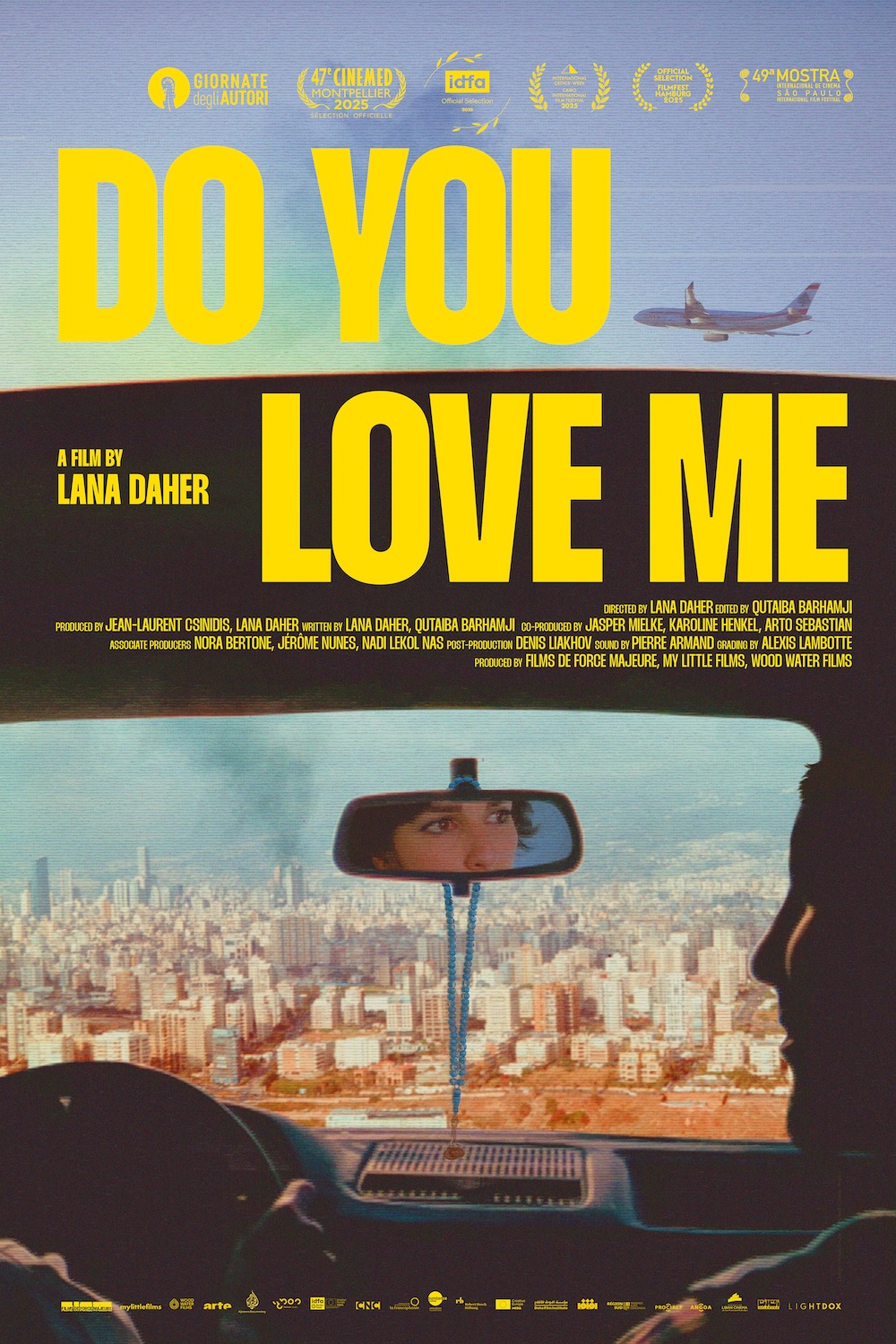
Lana Daher's Do You Love Me? offers one answer. Constructed through more than seventy years of found footage, home movies and archival material, the documentary pieces together an intimate portrait of Beirut while simultaneously reflecting on the absence of official archives and the fragile nature of cultural memory itself. Nicolas Khoury's Souraya, Mon Amour approaches remembrance through a more personal lens, following actress and dancer Souraya Baghdadi as she revisits her life with the late filmmaker Maroun Baghdadi, one of Lebanon's most influential cinematic voices. Meanwhile, Cyril Aris' A Sad and Beautiful World brings the conversation into the present, exploring love, uncertainty and the difficult choices facing a generation attempting to build a future in contemporary Beirut.
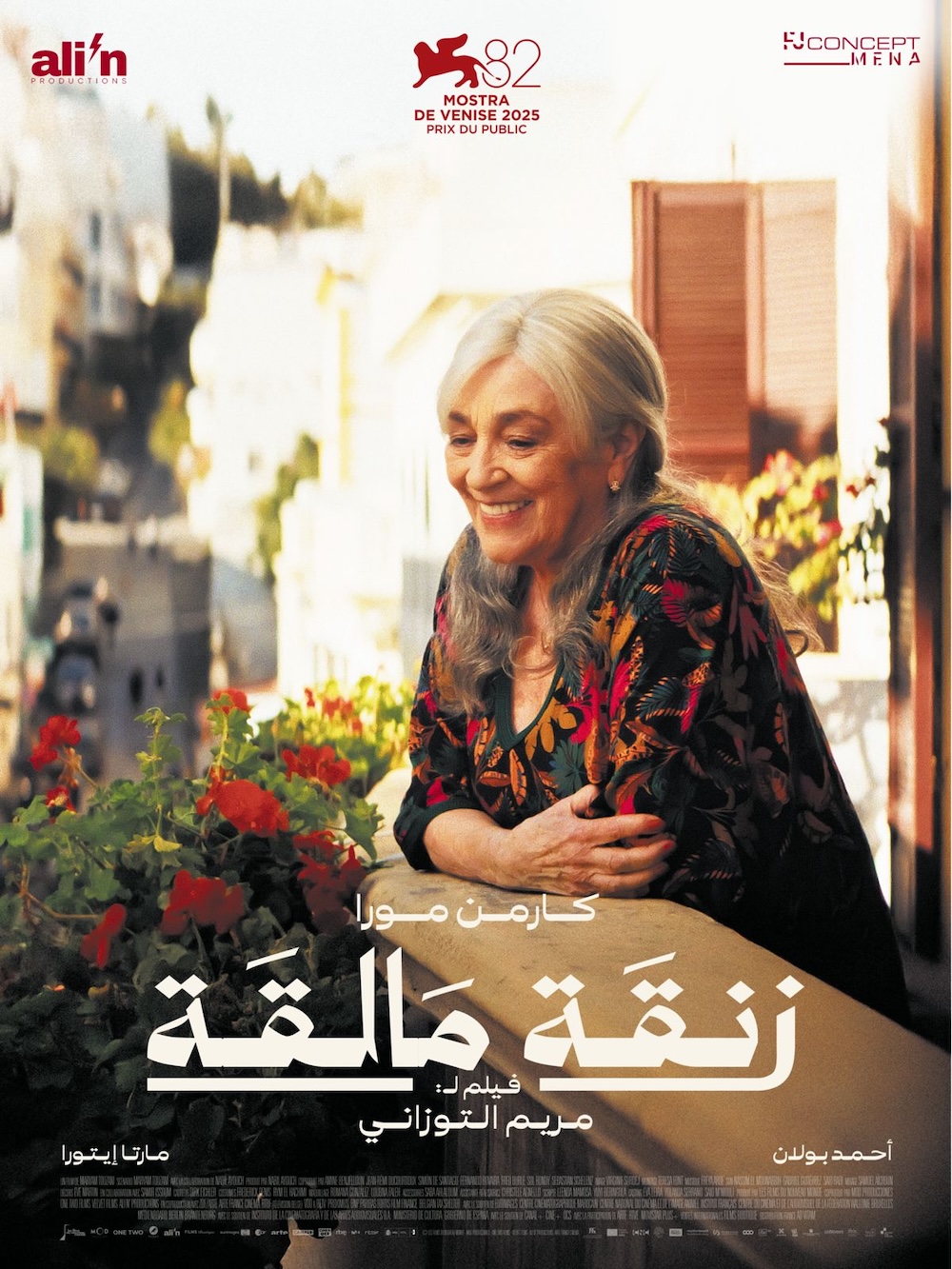
The programme's interest in memory extends far beyond Lebanon. Across the selection, filmmakers repeatedly return to questions of inheritance, whether political, emotional or cultural. In My Father and Qaddafi, director Jihan K. transforms her search for answers surrounding her father's disappearance under Muammar Qaddafi's regime into a deeply personal investigation into grief, justice and intergenerational trauma. Zain Duraie's Sink examines the emotional strain placed on a family confronting mental illness, while Calle Malaga, directed by Maryam Touzani, reflects on ageing, autonomy and the emotional ties that bind people to places they have called home for decades.
One of the most significant aspects of this year's edition is its spotlight on Sudanese storytelling. At a time when Sudan's cultural production deserves greater visibility, both Khartoum and Cotton Queen offer audiences an opportunity to engage with stories emerging directly from Sudanese experiences. While Khartoum presents a portrait of a city navigating revolution, conflict and uncertainty through the lives of its residents, Cotton Queen follows a young girl confronting questions of tradition, development and self-determination within a rural community. Together, the films reflect the diversity of Sudanese narratives and the growing strength of its cinematic voice.
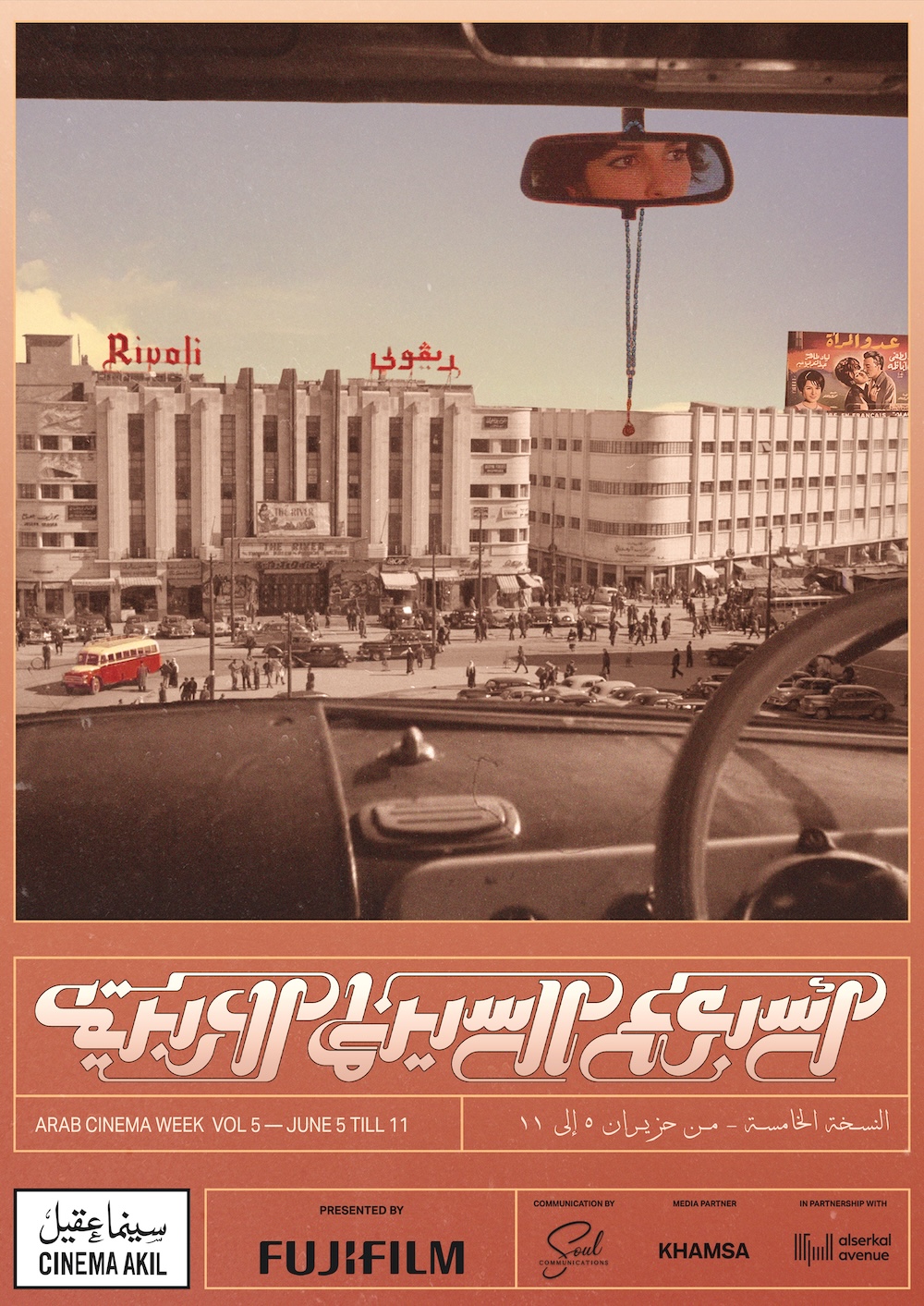
The festival's visual identity also deserves attention. Created by Lebanese artist Adra Kandil, this year's artwork feels almost cinematic in itself. Built around fragments of Beirut's past and viewed through the windshield of a moving car, the image weaves together archival references, vintage photography and urban landscapes to create a meditation on longing, displacement and return. The iconic Rivoli Cinema anchors the composition, transforming the poster into both a tribute to Beirut's cinematic history and a reflection on the role cinema continues to play in preserving collective memory.
Five years after its launch, Arab Cinema Week has evolved into far more than a film programme. It has become an important meeting point for filmmakers, artists and audiences interested in the stories shaping the region today. As Cinema Akil founder Butheina Kazim notes, it has grown into "a living archive of the region's cinematic voice," creating a space where conversations can continue long after the credits roll.
At a moment when so many filmmakers across the Arab world are interrogating questions of identity, memory and belonging, this year's programme feels particularly resonant. These are films that ask audiences to look closely, to listen carefully and to engage with the complexities of lived experience. More importantly, they remind us that some of the region's most powerful stories are often found not in grand narratives, but in the intimate details of everyday life.
More on CinemaAkil.com





.png)