
The 'Aflam' Film Festival in Marseille Is Asking What Cinema Can Save
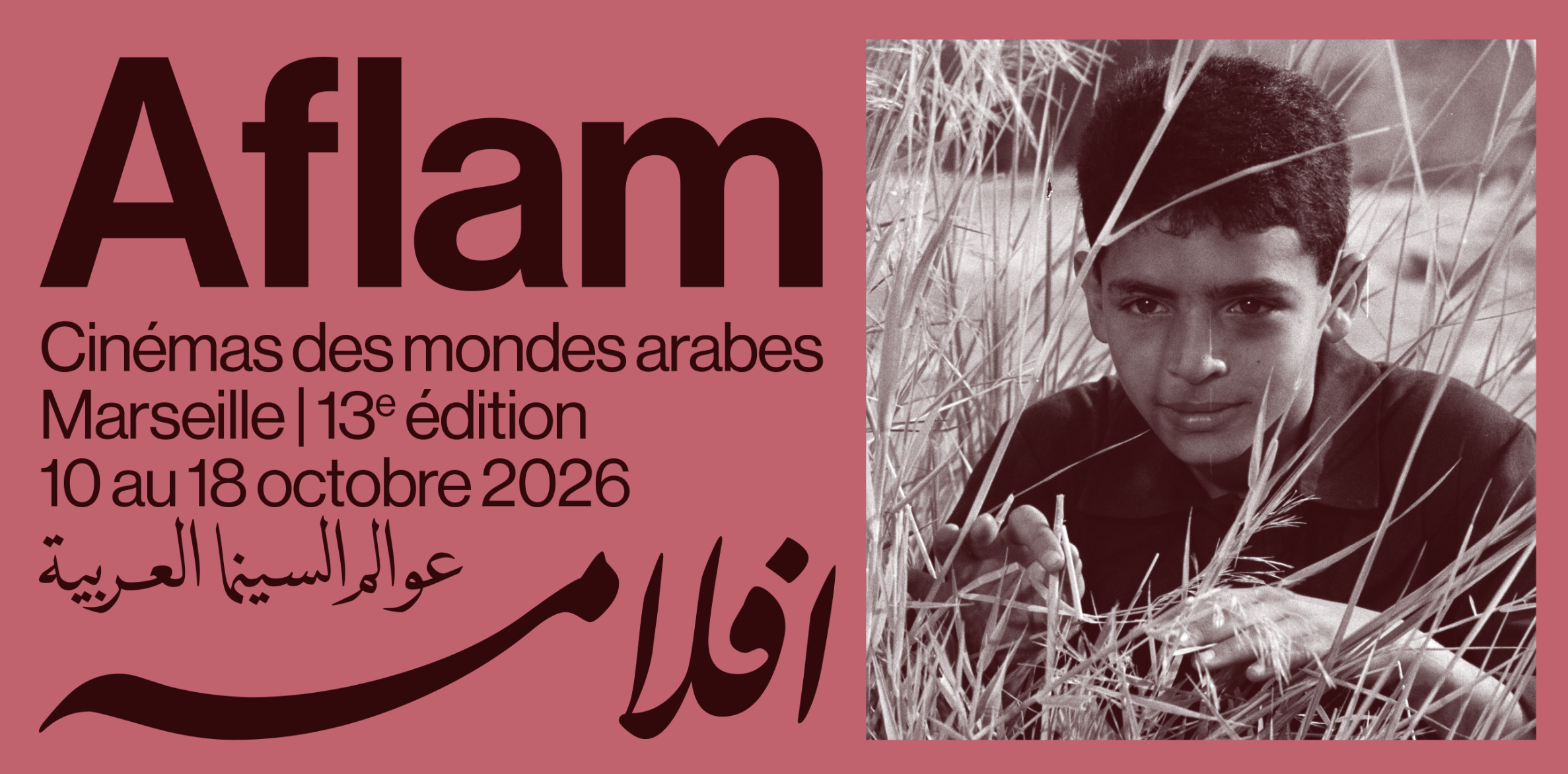
The Marseille festival dedicated to cinema from the Arab world returns for its 13th edition with 52 films, 21 countries and a programme looking at archives, memory and the images that refuse to disappear.
There is a question sitting at the heart of this year's Aflam Festival in Marseille: what can cinema actually do when histories, people and memories are at risk of being erased? From October 10 to 18, Aflam returns for its 13th edition with nine days of screenings, conversations, restored films, workshops and encounters across Marseille. The numbers alone make it a substantial meeting point for Arab cinema: 52 films, 40 guests, 35 events and screenings, 21 countries represented and eight cinemas across the city.
But the 2026 edition is particularly interested in what happens to cinema after a film has supposedly had its moment. Who preserves it? Who gets to tell its story again? What happens when an archive disappears, is neglected or sits for decades on a shelf somewhere far from the country in which those images were made?
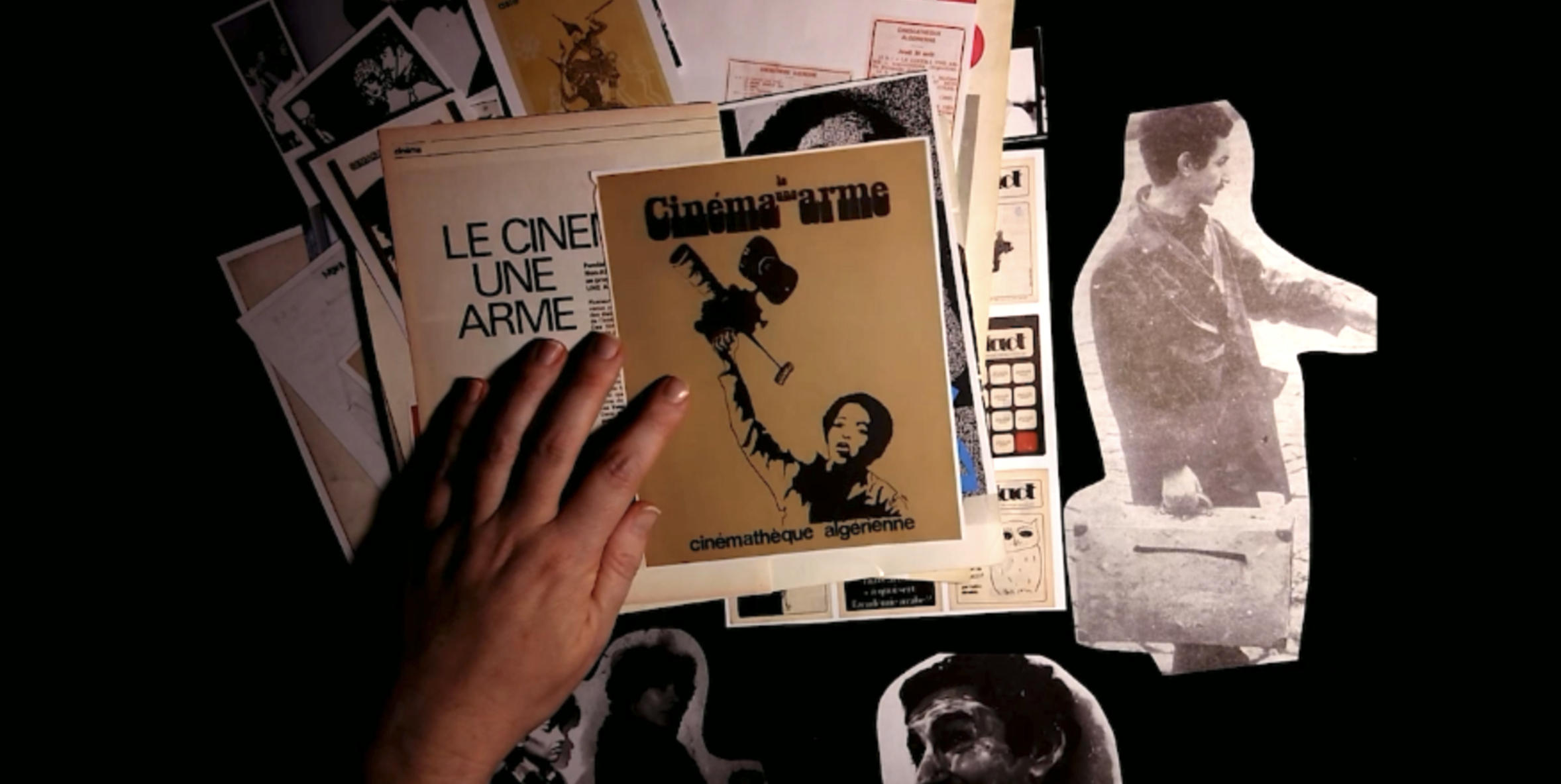
Under the theme “Réparer l’image,” or “Repairing the Image,” Aflam is turning its attention to memory, preservation and the ways filmmakers across the Arab world are returning to archival material to understand the present. The festival also marks five years of Vives archives, Aflam's programme dedicated to Arab cinematic heritage since 2021.
It feels particularly urgent now. As Aflam's team writes in its editorial, cinema can still “bring people together, break isolation, create encounters between filmmakers and audiences,” offering a space to revisit history and begin repairing memories and images. For anyone who cares about Arab cinema, there is a lot here worth paying attention to.
An Egyptian Film Gets a Second Life
The festival's official opening at Mucem on October 12 will feature the world premiere of the newly restored version of Egyptian filmmaker Khaled El Hagar's Ahlam Saghira (Little Dreams), originally released in 1993.
The film follows Ghareeb, a boy growing up alongside the political and emotional upheavals of Egypt. After losing his father in 1956, he begins to see Gamal Abdel Nasser as a paternal figure. By 1967, convinced that victory is coming, he joins the resistance in Suez, only for war to take his mother, his home and, as the title suggests, his little dreams.
Produced by Misr International Films, the company founded by Youssef Chahine, El Hagar's first feature has now been digitally restored in 4K through a partnership between Aflam and the Archive Circulation Initiative. The restoration was also tied to a workshop held in Marseille, with restoration teams coming from Beirut to work on the film and share their expertise. It is exactly the kind of project that makes this year's theme feel tangible; repairing an image isn't simply a metaphor here, it can also mean physically recovering a film so that another generation can actually watch it.
Throughout the programme, archives become less about nostalgia and more about who gets remembered.
Aflam describes archival images as essential traces capable of returning complexity to history. Many of the films being rediscovered have survived because researchers, artists and technicians went looking for them, sometimes pulling material from private cupboards and sometimes retrieving it from Western archival collections. Aflam 2026 - dossier de presse
One particularly fascinating story comes from Morocco. After a fire at the Bouanani family apartment in Rabat in 2006, a significant part of filmmaker Ahmed Bouanani's archives appeared destined to disappear. His daughter, Touda Bouanani, has spent more than 15 years preserving and bringing that material back into view. At Aflam, she will join film historian Marie Pierre-Bouthier for a conversation around the Archives Bouanani, followed by a screening of the restored version of Ahmed Bouanani's 1979 film Le Mirage. Aflam 2026 - dossier de presse
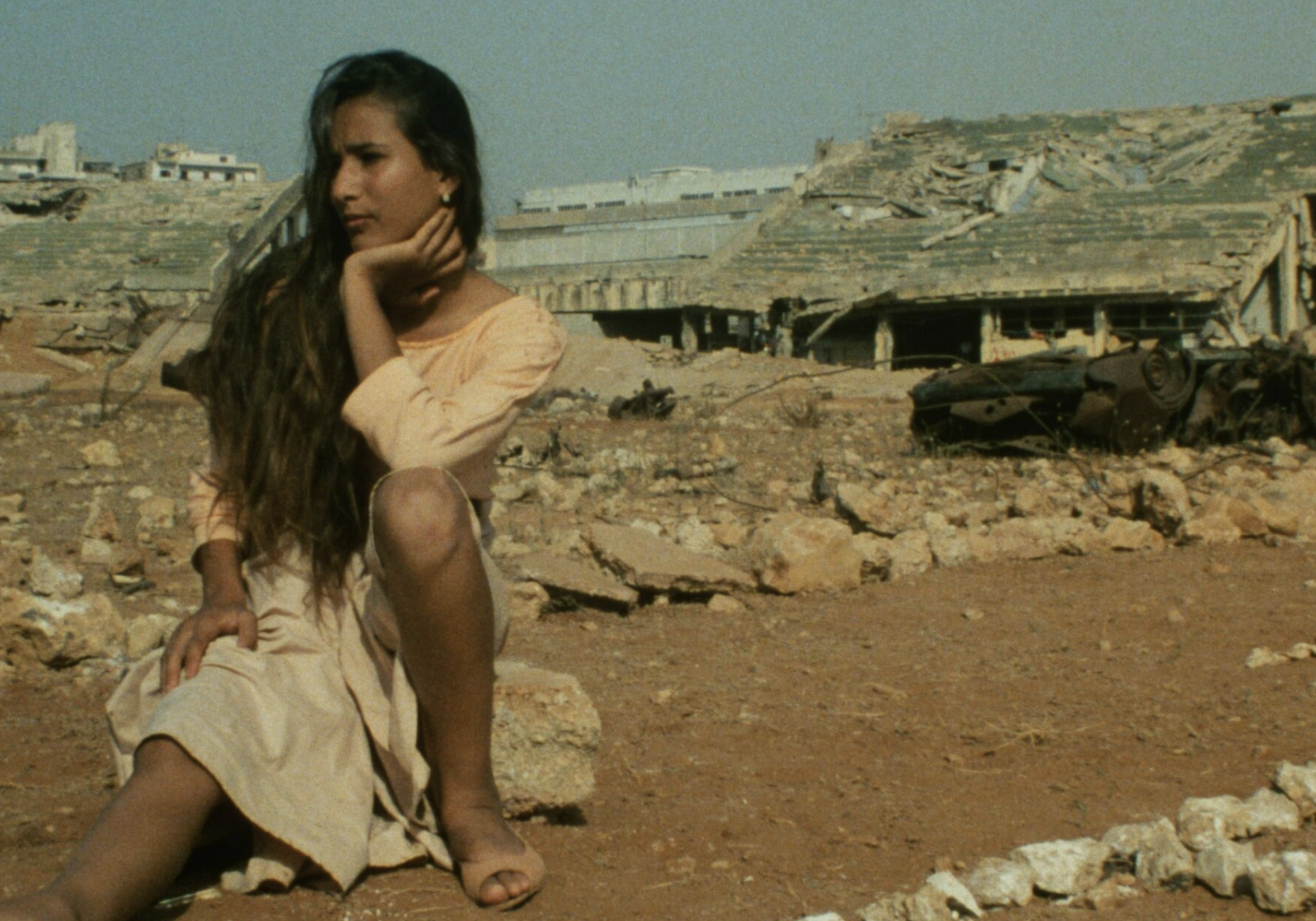
There is Lebanese film history here too. Jocelyne Saab's Ghazl Al Banat, a 1985 film set in war-torn West Beirut, will screen in a restored version. The story follows Samar, who retreats into Egyptian cinema while Karim refuses to abandon his neighbourhood, their fragile relationship unfolding against the chaos around them. Aflam 2026 - dossier de presse
Palestine Is Part of the Conversation
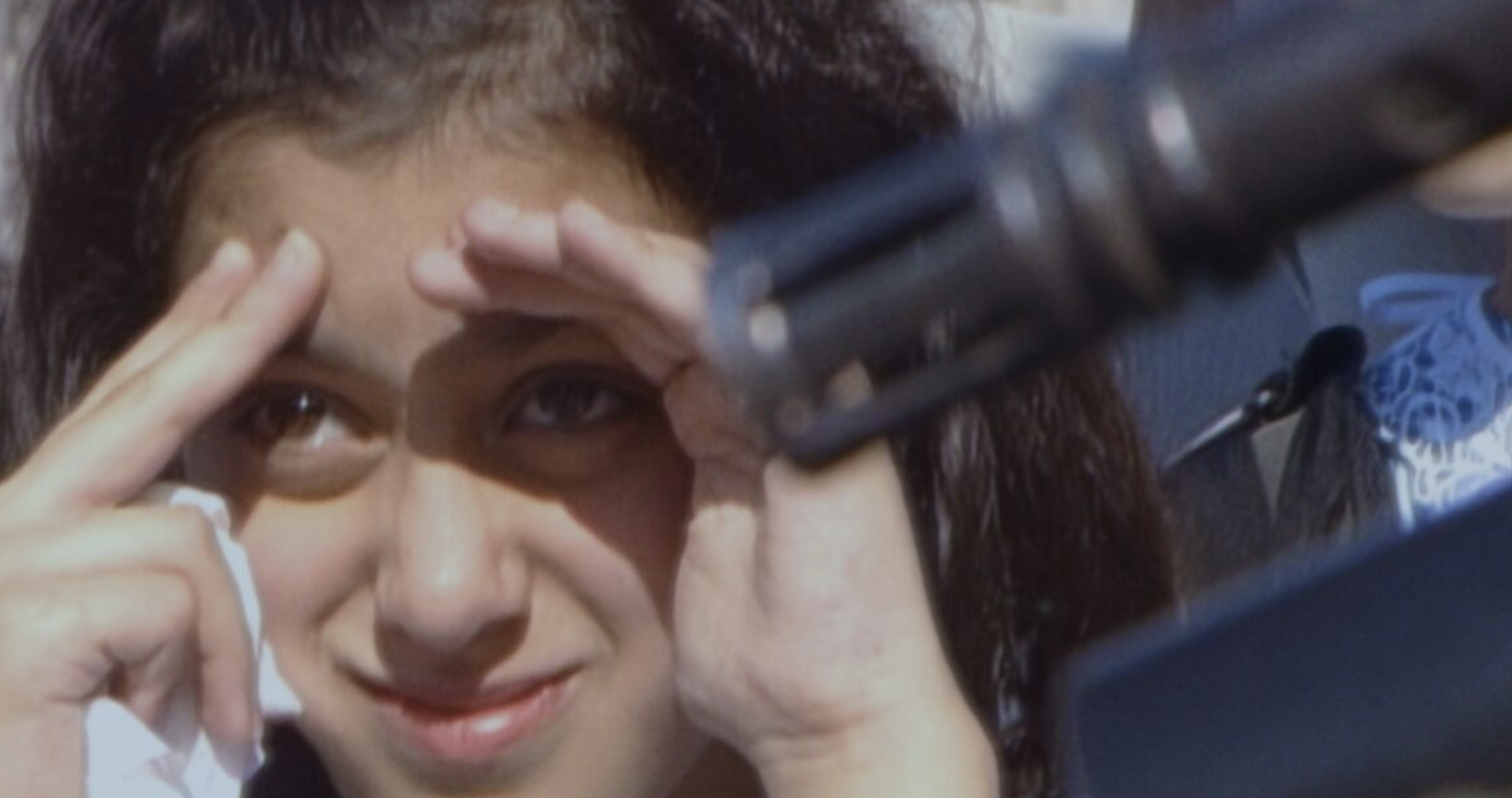
The Palestinian cause runs through several strands of the programme, particularly in a conversation bringing together Iraqi filmmaker Kassem Hawal and Palestinian filmmaker and researcher Mohanad Yaqubi. Hawal began using the camera politically in the 1970s in solidarity with the Palestinian cause, while Yaqubi's work has focused on the archaeology of militant cinema and transnational solidarity with Palestine. His latest project turns towards Lebanese filmmaker Jocelyne Saab, including the publication Jocelyne Saab, Inventory (1973–1983) and a recently completed film.
The festival will also give the Palestine Film Platform a carte blanche, presented by Yaqubi, featuring Johan Grimonprez's 1997 documentary Dial H-I-S-T-O-R-Y. Built from television archives, the film examines the history of airplane hijackings between the 1960s and 1990s and the increasingly complicated relationship between political violence, media and spectacle.
Lebanon, From Tripoli to Maroun Baghdadi
Lebanon has an especially interesting presence in the contemporary selection. In Rania Rafei's Le Jour de la colère: Contes de Tripoli, receiving its French premiere, Tripoli becomes the centre of a story moving between personal memory and collective history. The documentary travels from the student demonstrations of 1943 through the pan-Arab hopes of the 1960s, the trauma of 1967, the Lebanese Civil War and the popular anger that erupted from 2019 onwards. Rafei mixes archives with letters to her late father and images of the present, allowing the city's history to move between hope, disappointment and the continued desire for change. Aflam 2026 - dossier de presse
Then, on October 18, Aflam closes with another deeply personal Lebanese story.
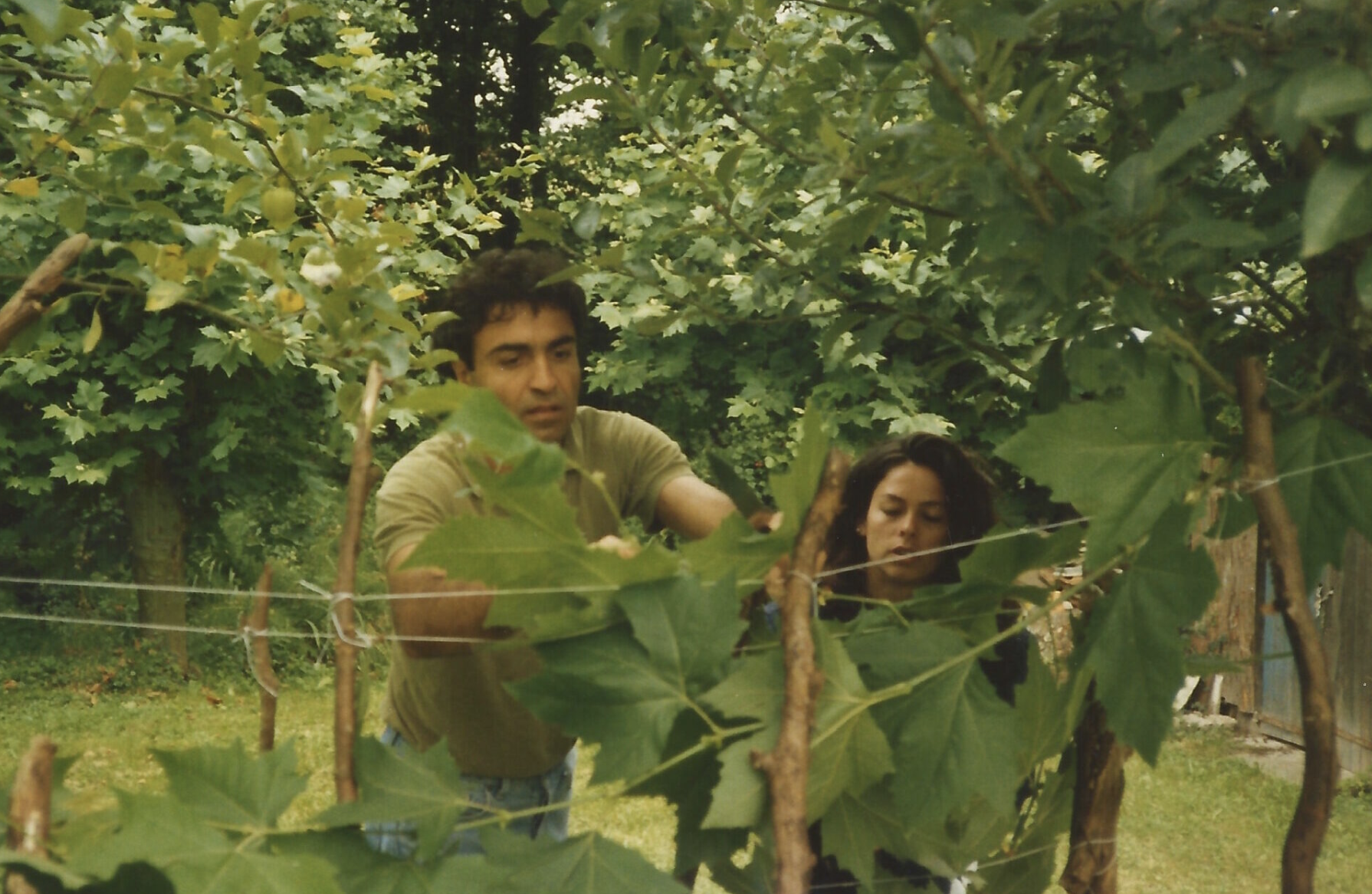
Nicolas Khoury's Souraya mon amour turns its camera towards Souraya Baghdadi, actress, dancer and widow of filmmaker Maroun Baghdadi. Their story began on the set of Petite Guerre in Beirut in 1981. After Cannes, the couple moved to Paris, before Maroun's sudden and mysterious death in 1993 while Souraya was pregnant with their third child.
Thirty years later, the film follows Souraya as she moves through archives, memories and meditations on the man who is no longer there. Khoury combines intimate conversations and period footage to explore an absence that has never entirely become absence. The film will have its French premiere at Aflam, with both Khoury and Souraya Baghdadi attending.
For all the attention given to archives, Aflam isn't treating Arab cinema as something that belongs to the past. Three programmes of short films will introduce emerging filmmakers, while the contemporary programme moves through Sudan, Algeria, Egypt, Lebanon, Palestine and beyond.
In Suzannah Mirghani's Cotton Queen, a teenage girl in a Sudanese cotton-farming village finds herself caught between her grandmother's stories of anti-colonial resistance and a businessman arriving with genetically modified cotton and a new vision for the community's future.
Algerian filmmaker Hassen Ferhani's Alea Jacarandas follows a filmmaker and his writer father through Algiers as they trace the city's jacaranda trees, gradually creating a tender portrait of both a city and the transmission between generations. And Egyptian filmmaker Mohamed Rashad's L'Entente – La face cachée d'Alexandrie heads into working-class Alexandria, following two brothers caught between family loyalty, guilt, social violence and the desire for justice after the death of their father.
There is also Ameer Fakher Eldin's Yunan, described by the festival as a melancholic journey through exile, alongside Nomad Shadow by Eimi Imanishi, which turns towards the often overlooked Western Sahara.
Aflam has actually been working with Arab cinema in Marseille since 2000, long before this 13th festival edition. The association operates year-round through screenings, film education and WarshatAflam, its short-film screenwriting residency for emerging filmmakers.
WarshatAflam celebrates its tenth edition this year, selecting four filmmakers annually: two based in Marseille's Région Sud and two from, or part of the diaspora of, one of 22 Arab countries. The filmmakers are accompanied through the development of their short-film scripts and connected with industry professionals.
That work makes the philosophy behind this year's festival even clearer. Preserving Arab cinema cannot only mean looking backwards, it also means creating the conditions for the next films to exist.
Aflam Festival runs from October 10 to 18, 2026, across Marseille.
More on Aflam.fr



.png)